A balanced meal should provide nourishment, feel reasonably satisfying, and fit the time and food you have available. It does not need a special label, an expensive ingredient, or a perfectly arranged plate. Familiar foods can support weight management when the overall pattern and portions fit your individual needs.
This guide offers a flexible way to assemble meals for adults. It is not a personalized calorie prescription or a replacement for medical nutrition advice. If you have diabetes, kidney disease, a digestive condition, food allergies, or an eating-disorder history, a registered dietitian can adapt the approach to what is appropriate for you.
Think in components rather than perfect recipes
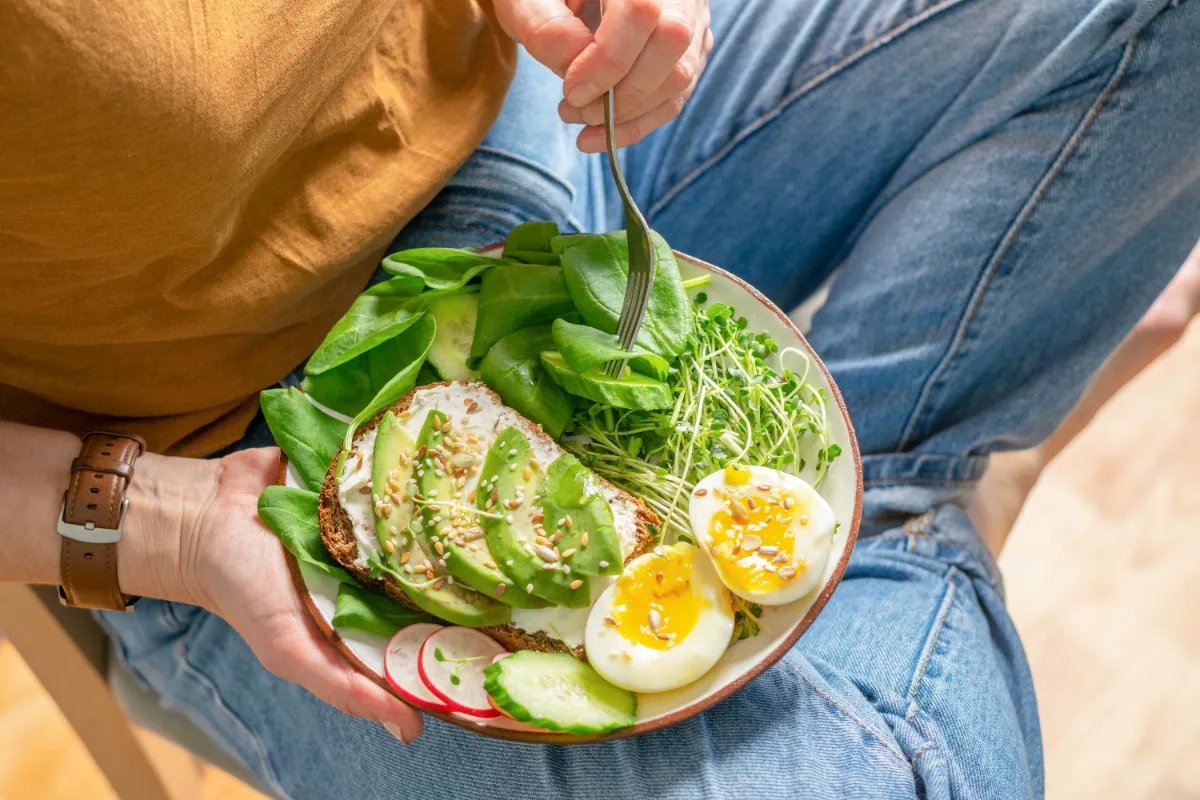
One useful starting structure is a protein food, vegetables or fruit, and a grain or other starchy food, with fats and flavorings that make the meal enjoyable. These components can appear separately or together in a soup, sandwich, casserole, curry, or bowl.
NIDDK’s eating guidance includes a variety of food groups. The point is variety and an eating pattern you can maintain, not a rule that every meal must contain an identical arrangement. If breakfast is simple, later meals can offer other foods. If a mixed dish already includes several components, you do not need to dismantle it to make it count as balanced.
Choose a protein food you like and can access
Options include eggs, fish, poultry, meat, yogurt, tofu, tempeh, beans, lentils, and other foods. Different options bring different nutrients, costs, textures, and preparation needs. A meal plan can include animal foods, plant foods, or both according to preference and individual requirements.
You do not need a protein powder to begin assembling meals. A bean filling, tofu stir-fry, or yogurt-based breakfast may be convenient alternatives. If you are unsure how much protein is appropriate, especially with a medical condition, ask a dietitian. Our breakfast guide provides examples without assuming that everyone needs the same gram target at every meal.
For a fruit example, our guide to mango portions, nutrition and meal questions keeps the defined fresh-fruit references separate from whole-fruit size, smoothies, juice and dried products.
Our guide to carrot nutrition, snacks, and meal questions uses a defined raw-carrot reference and keeps cooked recipes, juice, portion size, and nighttime claims separate.
Include produce in a form that works
Fresh, frozen, canned, and cooked produce can each be practical. A bag of frozen vegetables may be more useful on a busy evening than fresh ingredients you do not have time to prepare. Fruit can be part of a meal or snack; it does not need to be excluded simply because it contains naturally occurring sugar.
Choose forms you enjoy and can store safely. If fiber-rich foods are new to your routine or cause discomfort, make changes gradually and discuss persistent symptoms. Our guide to food fiber and supplements explains why the source and overall eating pattern matter. No single vegetable is required for a meal to be worthwhile.
Make room for grains and other starches
For a sorghum flatbread example, our guide to jowar roti portions and meals distinguishes a dry-flour reference from the finished recipe and addresses evening meals without a special fat-burning claim.
Rice, oats, bread, pasta, potatoes, corn, and other starchy foods can fit into a meal. The portion and combination can be adapted to your appetite, activity, preferences, and medical needs. A carbohydrate-containing food is not automatically incompatible with weight management.
Whole-grain options can add variety and fiber, but you do not need to reject a culturally familiar meal because every ingredient is not whole grain. Consider what would improve the meal as a whole. Adding beans or vegetables to a rice dish may be a more realistic change than replacing the dish entirely. The most useful option is one you can afford, tolerate, and continue eating.
Our guide to jasmine rice nutrition and dry-versus-cooked portions shows why a dry label serving differs from a cooked bowl, and keeps the rest of the meal and safe storage in context.
For a baking ingredient example, our guide to almond-flour labels, recipes and allergy questions uses a named 28 g nutrition reference and explains why the finished recipe and portion still matter.
Use fats and flavor deliberately
Oils, nuts, seeds, avocado, cheese, sauces, and dressings can make meals enjoyable. Some are energy-dense, so portions can matter, but removing all flavor is unlikely to make a plan easier to maintain. Choose amounts that fit the meal and your needs rather than pouring without noticing or avoiding them categorically.
For example, a vegetable bowl with beans, rice, and a flavorful dressing may be more appealing than plain vegetables alone. Herbs, spices, citrus, and other seasonings can also provide variety. If a clinician has advised a sodium or other nutrient limit, use that guidance when selecting ingredients. Enjoyment and medical needs can be considered together.

Understand portions and label servings
A serving size on a package is the amount used to report nutrition information. It is not necessarily the amount you personally should eat. A portion is the amount you choose. NIDDK’s portion guide explains that distinction and why needs vary.
Use the label to compare similar products and understand what is in the amount you actually consume. The FDA’s Nutrition Facts guide explains serving size, servings per container, and nutrient information. A package may contain more than one labeled serving. Reading it accurately can support decisions without requiring you to weigh every ingredient or treat one printed number as a universal meal target.
For a seafood example, our guide to shrimp nutrition and complete meals separates plain cooked FDA reference values from breading, sauces and the finished meal, with allergy and safe-handling questions.
For a familiar meal example, our guide to chicken-and-rice meal questions covers portions, vegetables, preparation, recipe estimates and safe meal prep without a universal calorie count.
Five flexible meal examples
For fruit alongside a meal or snack, our updated guide to fruit portions and everyday meals compares defined serving references, bananas, juice and dried fruit without a fat-burning ranking.
Our guide to baked potatoes and meal planning covers portions, toppings, protein and produce, and why a small controlled feeding trial does not prove that adding a potato causes weight loss.
For another starch option, our guide to plantain portions and preparation separates a defined raw USDA reference from cooked recipes and explains how to build a complete meal.
Try a bean-and-rice bowl with vegetables and salsa; an egg or tofu scramble with toast and fruit; a chicken or chickpea wrap with a vegetable side; a lentil soup with bread and yogurt or an appropriate alternative; or fish, tofu, or another protein with potatoes and cooked vegetables.
These are combinations, not standardized prescriptions. Adjust ingredients and portions for appetite, allergies, medical needs, and what is available. A meal may need more food than the example suggests for one person and a different balance for another. The useful feature is that each example gives you several components to work with while keeping preparation relatively simple.
Adapt the structure to mixed and cultural dishes
You do not need to replace traditional foods with a separate “diet meal.” Look at what the dish already contains. A stew may provide protein and vegetables; a rice dish may pair naturally with beans, fish, or a side. Changes can be small and preserve the food’s identity.
Ask which addition or adjustment would make the meal more useful for you. Perhaps it needs a dependable protein source, more vegetables, or a portion that better matches your needs. Family-style serving can still work. A dietitian familiar with your food traditions can help if generic advice feels disconnected from what you actually eat or share with others.
Use convenience foods strategically
Ready-to-eat foods can reduce preparation time. Examples include frozen vegetables, canned beans, cooked grains, prewashed produce, yogurt, or a prepared protein option. Consider cost, taste, storage, and label information where relevant. Convenience is not a nutritional category by itself.
You can combine a prepared item with a simple addition rather than cook a whole meal. A soup might be paired with a sandwich; a frozen meal might need a side to meet your appetite. Our meal-prep guide focuses on this kind of assembly. A realistic meal that is available when you need it can be more useful than an elaborate plan that rarely happens.
Our guide to lunch calories and daily meal planning explains why there is no universal lunch quota. Its arithmetic examples are explicitly hypothetical, and practical meal adequacy remains part of the decision.
Respond to hunger and satisfaction
After a meal, notice whether you feel comfortable, still hungry, or uncomfortably full. That feedback can help you review portions and components. It is not a pass-fail test, and appetite may vary across days. You can adjust without deciding that the entire approach failed.
If you are routinely hungry soon after eating, examine whether the meal was adequate and whether the interval between meals is too long for you. Our hunger guide covers other possible contributors. If persistent fullness, nausea, swallowing difficulty, or another symptom limits intake, seek medical advice rather than forcing the same meal template regardless of what is happening.

If appetite changed during another treatment, our guide to methotrexate and weight-change questions considers food intake, the underlying illness, other medicines and warning symptoms. A general meal plan should not replace assessment of persistent nausea, mouth sores or unexplained weight change.
Eating out can fit the same approach
Look for a meal you will enjoy and consider what it contains. You might add a vegetable side, choose water or another suitable drink, or save part for later if the portion is more than you want. You do not need to identify a perfectly optimized item on the menu.
Keep the larger pattern in view. A restaurant meal is one eating occasion, and its value can include social connection and enjoyment. If you have a medical restriction or allergy, ask the questions needed for that concern. For general weight management, practical choices and a return to your usual routine are more useful than treating the meal as something that requires compensation.
A simple shopping and planning exercise
Choose two protein options, two produce options, and two grains or starches you like. Add flavorings and any other foods that make the combinations satisfying. Think about which items need cooking and which can be assembled quickly. Check what is already in your kitchen before buying more.
Then map two or three meals to actual days. Leave room for leftovers, schedule changes, and a backup. After trying the plan, review what was eaten, what was wasted, and what felt satisfying. That feedback helps you build a repeatable routine. Balanced eating is a flexible pattern to practice, not a photographic standard or a requirement to make every meal nutritionally identical.
Related reading
- Sustainable Weight-Loss Habits: A Practical Starting Guide
- Protein at Breakfast: Simple Meal Ideas and Common Questions
- How to Set Realistic Weight-Loss Goals and Track Useful Progress
- Can You Boost Your Metabolism? What Helps and What Gets Overstated
- Weight Loss Basics: Understanding Appetite, Habits, and Health
- Why Am I Always Hungry?
Compare snacks in their nutritional context
Our guide to pork-rind labels and snack questions compares two named online panels, explains their serving-information limits and considers sodium, portions and the complete meal.
- Are pretzels healthy? — Compare three verified labels, sodium and fiber tradeoffs, portions, and practical pairings.
For a fiber-supplement example, read our guide to Metamucil, psyllium and weight-loss questions. It distinguishes short-term fullness ratings from bowel regularity and weight outcomes, and reviews exact-label fluid and medication-spacing precautions.
Compare everyday foods and appetite questions
- How to compare crackers — Check the actual serving weight, fiber, sodium, and practical snack pairings.
- Cream-cheese nutrition and portions — Understand its role as a spread and build the rest of the meal around your needs.
- Pasta in a balanced meal — Compare pasta types, dry and cooked weights, protein, vegetables, and sauces.
- Why cheese cravings happen — Review meal timing, familiar cues, and food rules without diagnosing a deficiency from a craving.
Compare labels and the complete meal
- Coconut-water sugar and hydration questions — Separate total sugar from added sugar and check the actual serving, potassium, and health context.
- Saltine-cracker nutrition and snack ideas — Read a verified serving example and consider protein, fiber, sodium, and pairings.
- Grits nutrition, portions, and toppings — Distinguish dry-label weight from a cooked bowl and the complete meal.
Read the label and consider the whole meal
- Hard-boiled eggs and weight-management questions — Explore an exact egg serving, protein, fiber, daily egg questions and safe storage.
- 900-calorie diets and supervised programs — Distinguish clinical nutritional completeness from a self-directed restrictive intake.
- Chili ingredients, labels and portions — Compare protein, fiber, sodium and toppings in the complete meal.
- Crystal Light ingredients and sweeteners — Read one actual label and distinguish ingredient safety from long-term weight-control guidance.
Compare food portions and meal choices
- Cantaloupe nutrition, portions and safe handling — Consider fruit as part of a meal without a fat-loss promise.
- Pork-chop nutrition and safe cooking — Compare exact labels and preparation, then use a thermometer and the appropriate rest.
- String cheese, protein and snack portions — Review a specific label and what another food can add to the snack.
More food, nutrient and drink questions
- Daily zinc intake and supplement-label questions — Distinguish food intake, supplement amounts and individual GLP-1 nutrition needs.
- Bai drink labels, caffeine and hydration — Compare the actual bottle rather than treat every flavor as one formulation.
- Pinto-bean nutrition and meal ideas — Compare named products at the same portion, including carbohydrate, fiber and sodium.
- Tajín sodium, portions and weight questions — Use the exact U.S. seasoning panel and consider the complete meal.
- Fairlife shake nutrition and meal questions — Compare distinct bottles, protein, milk allergy and the role of a drink.
- Sourdough, whole grain and bread portions — Separate fermentation from fiber, gluten safety and long-term weight-loss evidence.
- Grapes as an evening snack — Read a defined portion and distinguish chemical melatonin findings from a human sleep benefit.
- Papaya seeds, food and parasite claims — Understand what small human studies measured and why they do not establish an adult weight-loss remedy.
- Poha at night, portions and meal timing — Build a complete meal and distinguish dry ingredients, cooked volume and prepared products.
- SkinnyPop ingredients and portions — Read one specific product label and compare portions in the context of your meals.
Educational information for adults. Individual goals and health concerns can be discussed with a qualified clinician or registered dietitian. Sources checked September 16, 2026. Photographs are illustrative and do not show weight-loss outcomes.