
Meal prep can be as simple as cooking an extra portion, washing a few ingredients, or deciding what you will eat on your busiest day. It does not require a refrigerator full of identical containers. The most useful version reduces effort when time and attention are limited.
For weight management, consistency and adequate nutrition matter more than making every meal from scratch. This guide helps you plan around your schedule, budget, storage, and appetite. It also covers food-safety basics, because a meal is only useful if it remains safe until you are ready to eat it.
Begin with the hardest meal of the week
Look for a recurring gap: lunch during work, dinner after a late shift, or breakfast before an early appointment. Start with that meal rather than planning seven perfect days. Solving one predictable problem can make the week feel more manageable without creating a large preparation project.
Write down what makes the meal difficult. Is there no time, no refrigeration, limited money, or uncertainty about when you will get home? Each barrier suggests a different solution. A cold lunch needs different ingredients from a meal you can reheat. A backup stored in the freezer serves a different purpose from a fresh salad intended for tomorrow.
Plan components that can become several meals
Choose a small set of ingredients that work together in more than one way. A cooked grain, beans or another protein food, vegetables, and a sauce might become a bowl, a wrap, or a side dish. This can provide variety without requiring several unrelated recipes.
Our balanced-meal guide explains a flexible combination of protein foods, produce, and starches. Adapt the components to your preferences and medical needs. Do not prepare a large batch of food you dislike because it is advertised as ideal for weight loss. Taste and convenience are part of whether the plan will be used, and unused food does not support your routine.

Check what you already have
Before making a list, review the refrigerator, freezer, and pantry. Identify food that needs using soon and ingredients that can support a quick meal. This can reduce duplicate purchases and help you build a realistic list around what is available.
Think in meal combinations rather than isolated healthy ingredients. A bag of vegetables may need a protein food and a starch to become a satisfying dinner. Canned beans, frozen vegetables, and a grain can be useful backups. NIDDK’s habit-change guidance recognizes cost and time as practical barriers. Planning should reduce those barriers instead of requiring a more expensive version of your usual shopping routine.
Decide what to cook and what to assemble
You do not have to cook every component. Prepared grains, canned legumes, prewashed produce, yogurt, and frozen foods can shorten the process. Compare options for cost, taste, storage, and nutrients relevant to your needs. Convenience can make a plan more sustainable.
For example, you might cook a protein food while using frozen vegetables and a ready-to-heat grain. Or assemble a sandwich and fruit without cooking at all. Our breakfast guide includes options that require little preparation. Choose the amount of work you can realistically repeat. A routine that takes half a day every weekend may not be the best fit simply because it looks organized.
Use a small preparation session
Choose two or three tasks that will remove the most effort later. You could wash produce, cook one dish, and portion tomorrow’s lunch. Keep cleanup in the plan so preparation does not leave another burden at the end of the session.
If you have limited energy, break the work into shorter steps. One task while dinner cooks may be enough. If someone else shares the kitchen or meals, agree on responsibilities and storage space. The point is to move effort to a time when it is more manageable. You do not need to prepare every ingredient in advance to benefit from a little planning.
Cool and refrigerate food promptly
USDA advises refrigerating perishable leftovers within two hours, or within one hour when the surrounding temperature is above 90°F. Divide larger amounts into shallow containers so they cool more quickly. Do not leave a large pot on the counter for hours while waiting for it to reach room temperature.
Keep the refrigerator at 40°F or below. Package food in clean, covered containers and label it with the preparation date if that helps you use it on time. Food safety is separate from calorie content: a meal does not become safer because it contains vegetables or is part of a weight-management plan. Handle each ingredient according to appropriate guidance.
Plan refrigerator portions and freezer portions separately
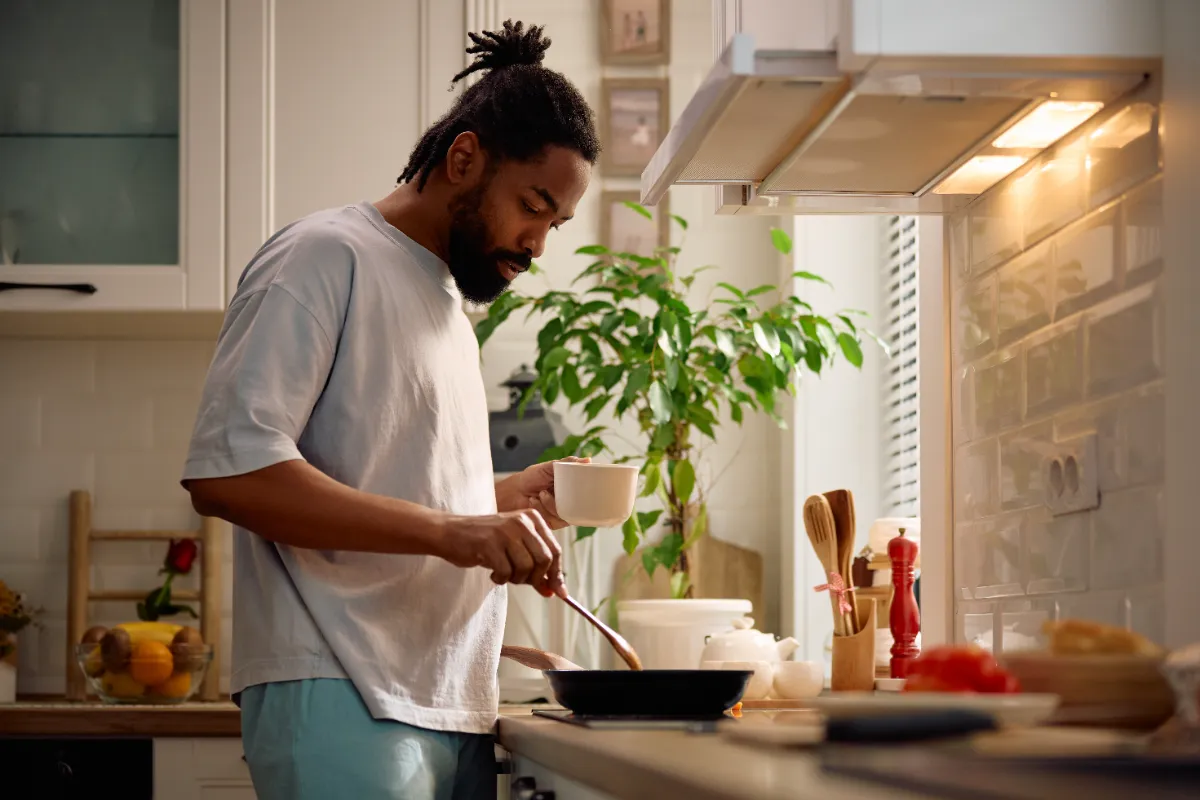
USDA recommends using refrigerated leftovers within three to four days. If you are preparing food for later in the week, freeze suitable portions promptly rather than assuming every cooked meal can sit in the refrigerator for a full seven days.
For example, a weekend preparation session could provide a few refrigerator meals and several frozen backups. Label containers with the contents and date so you can choose easily. Leave room in the plan for foods that do not freeze well or that you prefer to assemble fresh. The purpose of freezing is flexibility and safe storage, not a requirement to cook the same dish in a very large batch.
Reheat and transport with the same care
USDA advises reheating leftovers to 165°F, checked with a food thermometer. Heat food evenly and follow appropriate microwave or stovetop instructions. A container that feels hot on the outside does not necessarily show that every part of the food reached the needed temperature.
For transport, keep perishable food cold with suitable insulation and cold packs until it can be refrigerated or eaten. Do not leave it in a warm car or on a desk for hours. If the work setting does not offer safe storage, choose a meal that fits those conditions. Planning around available equipment is part of making meal prep practical, not an optional detail.
Build portions that fit your needs
A meal-prep container is not a universal portion size. Some containers may hold too little for your appetite; others may hold more than you want at once. Review whether the meal leaves you comfortably satisfied and whether you have enough food across the day.
NIDDK’s portion guidance explains that individual needs vary. You can keep components separate to make adjustments easier, or pack an additional side when a workday is longer. Avoid preparing very small meals simply because the containers look neat. If you are consistently hungry, weak, or preoccupied with food, the plan may need more nourishment or a professional nutrition review.
Give the same ingredients different flavors
A basic ingredient can be used in several meals with different seasonings or additions. Beans might appear in a wrap one day and a soup another. A cooked grain can pair with different vegetables and sauces. This is a way to maintain variety while limiting preparation tasks.
Keep any required medical restrictions in mind when choosing sauces or packaged ingredients. Otherwise, enjoyment should have a place in the plan. You are more likely to use food that you want to eat. If you find yourself avoiding the prepared meals, ask whether the issue is taste, texture, portion size, or simply needing more choice. Adjust the plan rather than treating reluctance as a discipline problem.
Keep an emergency meal that requires little work
A backup should be genuinely easy under the conditions when you need it. That might mean a frozen portion, shelf-stable ingredients, or a familiar meal you can obtain nearby. The backup does not have to match your usual meal exactly to be useful.
Think about the most common disruption. If you arrive home late, a meal that needs 45 minutes in the oven may not solve the problem. If grocery shopping is delayed, ingredients with a longer storage life may help. Sustainable habits depend on a routine that can adapt. A backup is part of the plan, not evidence that the main plan failed.
Review waste, cost, and effort
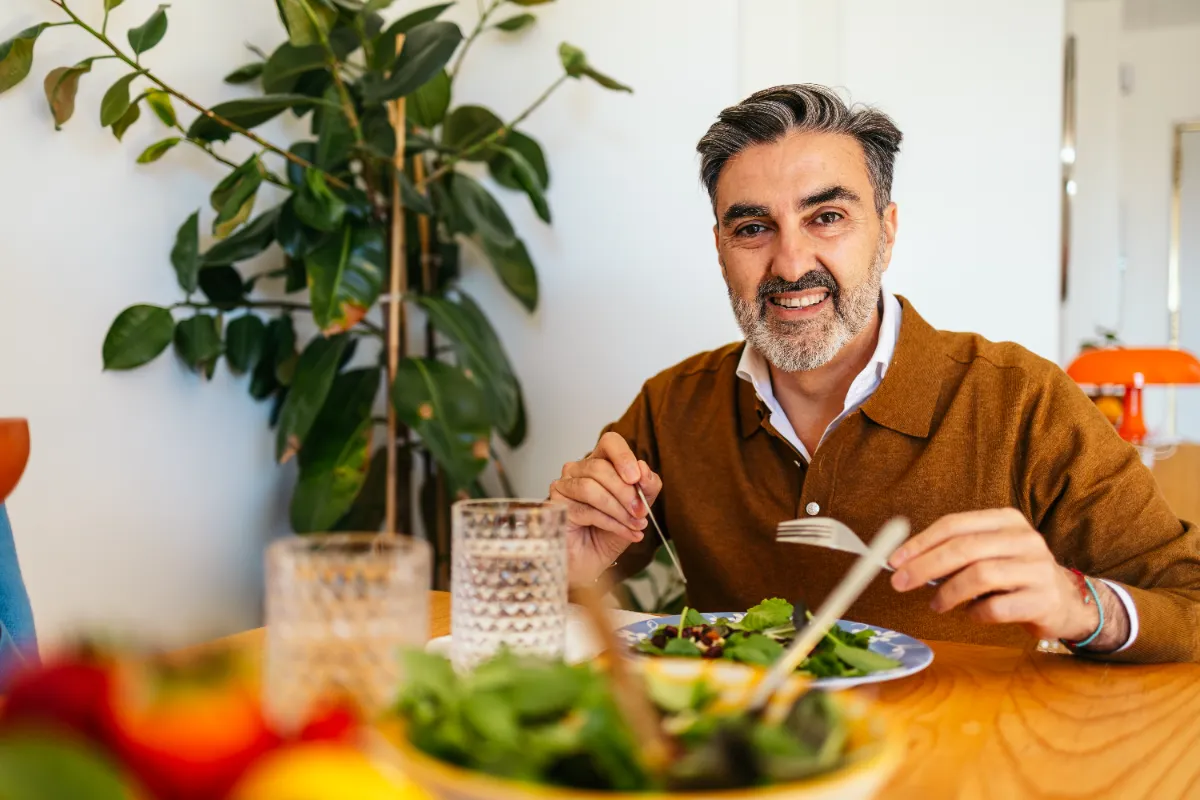
After a week, look at what was actually eaten. Which foods were left behind? Which meals were useful? Did the preparation save time, or did it create more work than expected? These questions help you refine the process without assuming that more preparation is always better.
You might buy smaller amounts of a perishable ingredient, freeze portions earlier, or prepare only lunches. If household preferences differ, shared components with separate additions may be easier than one fixed menu. Track costs only as much as it helps. A practical plan balances food, time, storage, and enjoyment rather than optimizing one number while making the rest of the week difficult.
A manageable first attempt
Choose one difficult meal, one simple combination, and one backup. Prepare enough for the occasions when you are likely to use it, following safe storage times. Write down the preparation date and decide which portions belong in the freezer from the start.
Then notice whether the plan made eating easier. Did you have enough food? Did it taste good after storage? Was transport practical? Use those answers for the next attempt. Meal prep is a tool for making adequate meals available, not a requirement to eat identical food or control every bite. A modest routine that you repeat comfortably can be more useful than an elaborate system you abandon after one week.
Related reading
- Sustainable Weight-Loss Habits: A Practical Starting Guide
- Protein at Breakfast: Simple Meal Ideas and Common Questions
- Walking for Weight Management: Getting Started and Building Consistency
- When to Seek Help With Weight Management: What a First Visit Can Cover
- Weight Loss Basics: Understanding Appetite, Habits, and Health
- Why Am I Always Hungry?
Educational information for adults. Individual goals and health concerns can be discussed with a qualified clinician or registered dietitian. Sources checked September 16, 2026. Photographs are illustrative and do not show weight-loss outcomes.