
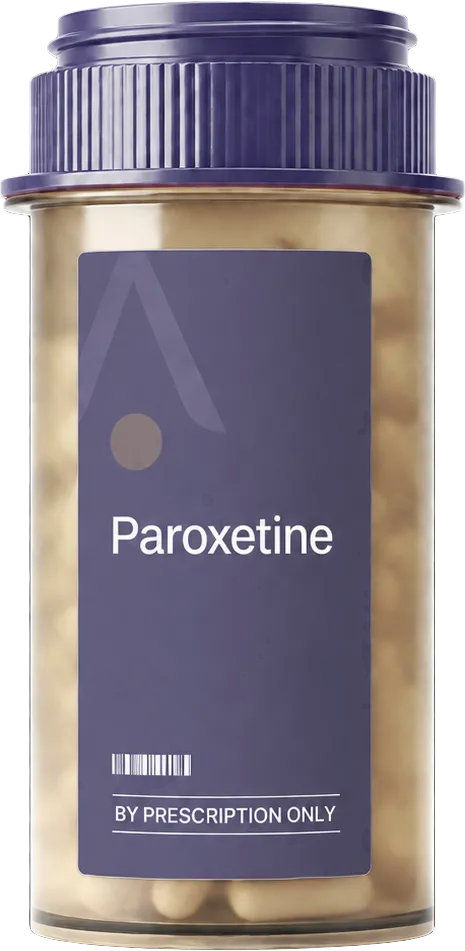
Paroxetine

Paroxetine



What Is Paroxetine?
Paroxetine is an SSRI (selective serotonin reuptake inhibitor), a prescription medication taken by mouth. SSRIs affect serotonin pathways involved in temperature regulation. Paroxetine 10 mg is not FDA-approved for menopausal symptoms; your provider may prescribe it off-label as a non-hormonal option when appropriate. Your provider will determine whether it’s right for you, as well as the dose.
Who it may be prescribed for:
• Women who prefer to avoid hormone therapy
• Women with a contraindication to systemic estrogen
• Women with a history of estrogen-sensitive cancer, in coordination with their oncology team
• Women who have not tolerated hormone therapy


Non-hormonal therapies can provide meaningful relief from menopausal symptoms, particularly hot flashes, night sweats, sleep disruption, mood changes, and vaginal discomfort. Treatment is individualized according to the patient’s primary symptoms, medical history, current medications, and personal preferences.
Who it may be prescribed for:
• Hot flashes and night sweats
• Sleep disruption
• Anxiety or irritability
• Mood-related symptoms

Paroxetine, prescribed as part of your non-hormonal treatment plan
Paroxetine10 mg · Oral
Non-HormonalNo estrogen
Provider ReviewBefore prescribing
Taken by mouth, as prescribed by your provider


Menopause care designed around you.
Get your medications in 3 simple steps

Take the health questionnaire

Our doctors will review your answers

Get your meds
Related Products



Coaching & human support


Frequently asked questions
What is Paroxetine?
Paroxetine is an SSRI (selective serotonin reuptake inhibitor), a prescription medication taken by mouth. SSRIs affect serotonin pathways involved in temperature regulation.
Paroxetine 10 mg is not FDA-approved for menopausal symptoms. Your provider may prescribe it off-label as a non-hormonal option when appropriate. Your provider will determine whether it is right for you, as well as the dose.
How does it work?
Non-Hormonal Option
- Paroxetine does not contain estrogen and does not replace hormone therapy.
Serotonin Pathways
- Certain antidepressants known as SSRIs affect serotonin pathways involved in temperature regulation.
Provider-Guided Use
- Your provider reviews your symptoms, current medications and supplements, mental health history, and potential medication interactions before prescribing.
Who may it be prescribed for?
Non-hormonal options like Paroxetine may be considered for women who:
- Prefer to avoid hormone therapy
- Have a contraindication to systemic estrogen
- Have a history of estrogen-sensitive cancer, in coordination with their oncology team
- Have not tolerated hormone therapy or had an inadequate response
How should I take it?
Take it exactly as prescribed, at the same time each day.
Review all prescription medications, over-the-counter products, and supplements with your provider.
Do not stop taking Paroxetine abruptly unless directed. A gradual taper may be required.
What side effects may occur?
Side effects vary by patient and may include:
- Nausea or stomach upset
- Headache
- Dizziness or sleepiness
- Dry mouth or constipation
- Sexual side effects
- Changes in sleep
Important Precautions:
- Higher doses may affect cardiac electrical conduction and require additional caution in patients with heart-rhythm concerns.
- Side effects may appear before the full effect becomes noticeable, and your provider may adjust the dose or timing.
Seek urgent medical attention for signs of liver injury, severe allergic symptoms, fainting, suicidal thoughts, severe confusion, or another serious reaction. Please review the Important Safety Information for the full boxed warning regarding antidepressants and suicidal thoughts and behaviors.
What should I do if I miss a dose?
Do not take extra medication to make up for a missed dose. Follow your provider’s instructions, and contact your provider or pharmacist if you are unsure.