
A baked potato can fit into a nourishing weight-management plan. The useful questions are the size, toppings, preparation, and the rest of the meal. A plain potato reference is different from a restaurant loaded potato, a dish cooked with added fat, or a complete lunch.
You do not need to avoid potatoes simply because they contain carbohydrates, and you do not need to treat them as a special fat-burning food. This guide explains a verified baked-potato reference, a bounded research example, and practical ways to think about meals without assigning everyone the same portion.
What does a plain baked potato contain?
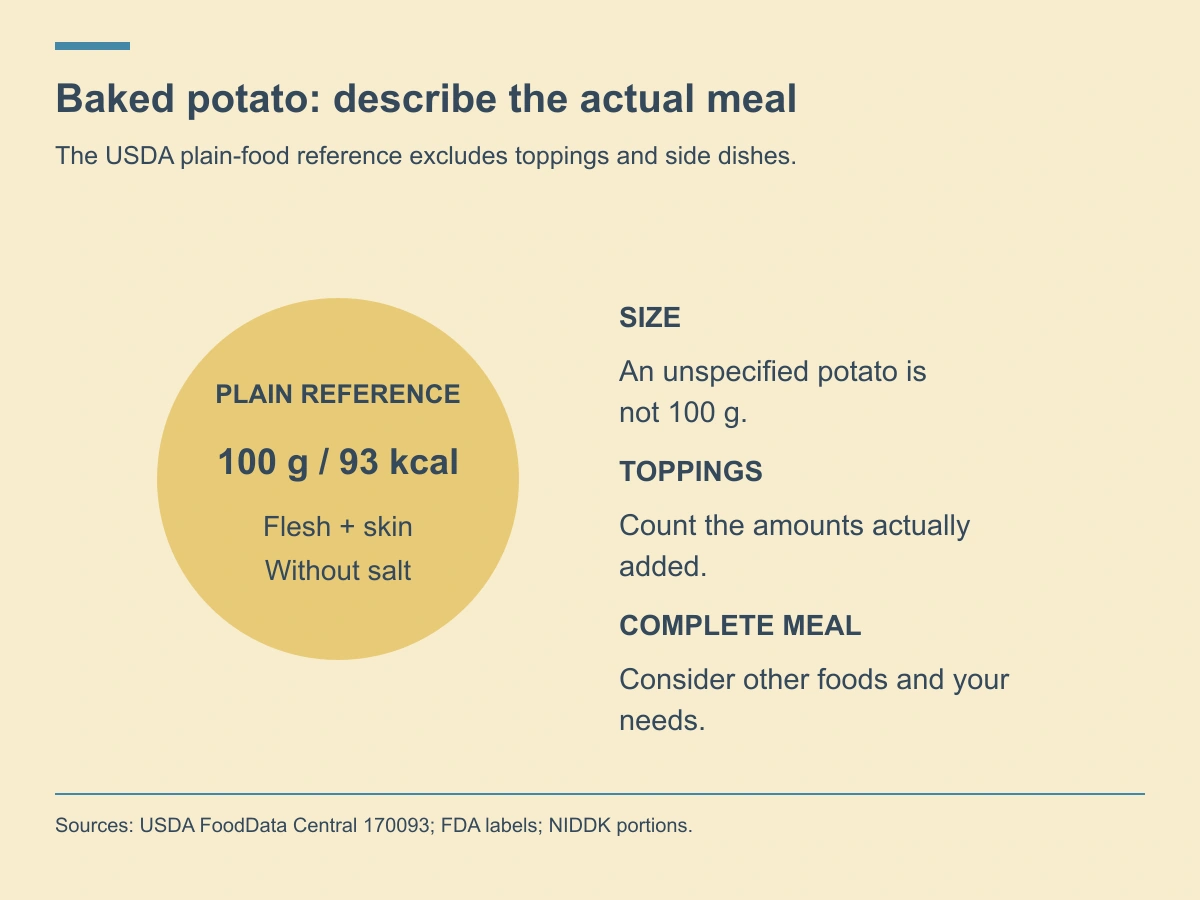
USDA FoodData Central’s SR Legacy record 170093 is Potatoes, baked, flesh and skin, without salt. The following values describe 100 grams of that food, not an entire unspecified potato or a potato with toppings.
| Nutrient | Per 100 g, baked flesh and skin, without salt |
|---|---|
| Energy | 93 kcal |
| Carbohydrate | 21.2 g |
| Protein | 2.5 g |
| Total fat | 0.13 g |
| Dietary fiber | 2.2 g |
| Potassium | 535 mg |
Source: USDA baked-potato record. The database lists a medium-potato reference at 173 grams and a large one at 299 grams. Those are defined database portions; they are not a guarantee about the size of a potato in a grocery bag.
The record includes skin and excludes added salt. It does not describe butter, oil, sour cream, cheese, meat, or sauce. It also does not make a potato a complete meal simply because it contains several nutrients. Consider the entire plate and your individual needs.
Why portion size matters without creating a universal rule
“One potato” can mean very different amounts. If you need an estimate, identify the food and the weight or the database portion that most closely fits. A medium-reference potato and a very large restaurant potato should not receive the same number solely because both count as one item.
A reference serving is information; a portion is the amount you select. NIDDK portions guide. Your chosen portion may differ because of appetite, activity, medical needs, or the other foods in the meal. There is no universal instruction here to eat only half a potato or exactly one every day.
An estimate can remain useful without being exact. If weighing is inconvenient, use consistent descriptions and notice the meal pattern. If tracking creates anxiety or encourages compensatory restriction, discuss a different approach with a dietitian or clinician. The purpose is to support decisions, not to make every potato a calculation test.
What do toppings change?
The finished dish includes every topping you actually eat. A small addition and several generous additions produce different meals. Read product labels and consider the amount rather than assuming a topping is automatically negligible or forbidden.
If you want a homemade estimate, add the labeled nutrients for the amounts used. If you add bean chili, use the chili recipe or product information rather than treating it as a garnish with no nutritional contribution. Our chili guide discusses how a recipe, portions, and additions affect that separate food.
Taste and practicality matter too. A topping you enjoy can make a simple meal easier to eat consistently. Ask whether a change helps you meet your needs: serving sauce separately, including another component, or choosing a different amount. You do not have to remove every flavorful ingredient to make a potato meal appropriate.
Can a potato become a complete lunch or dinner?
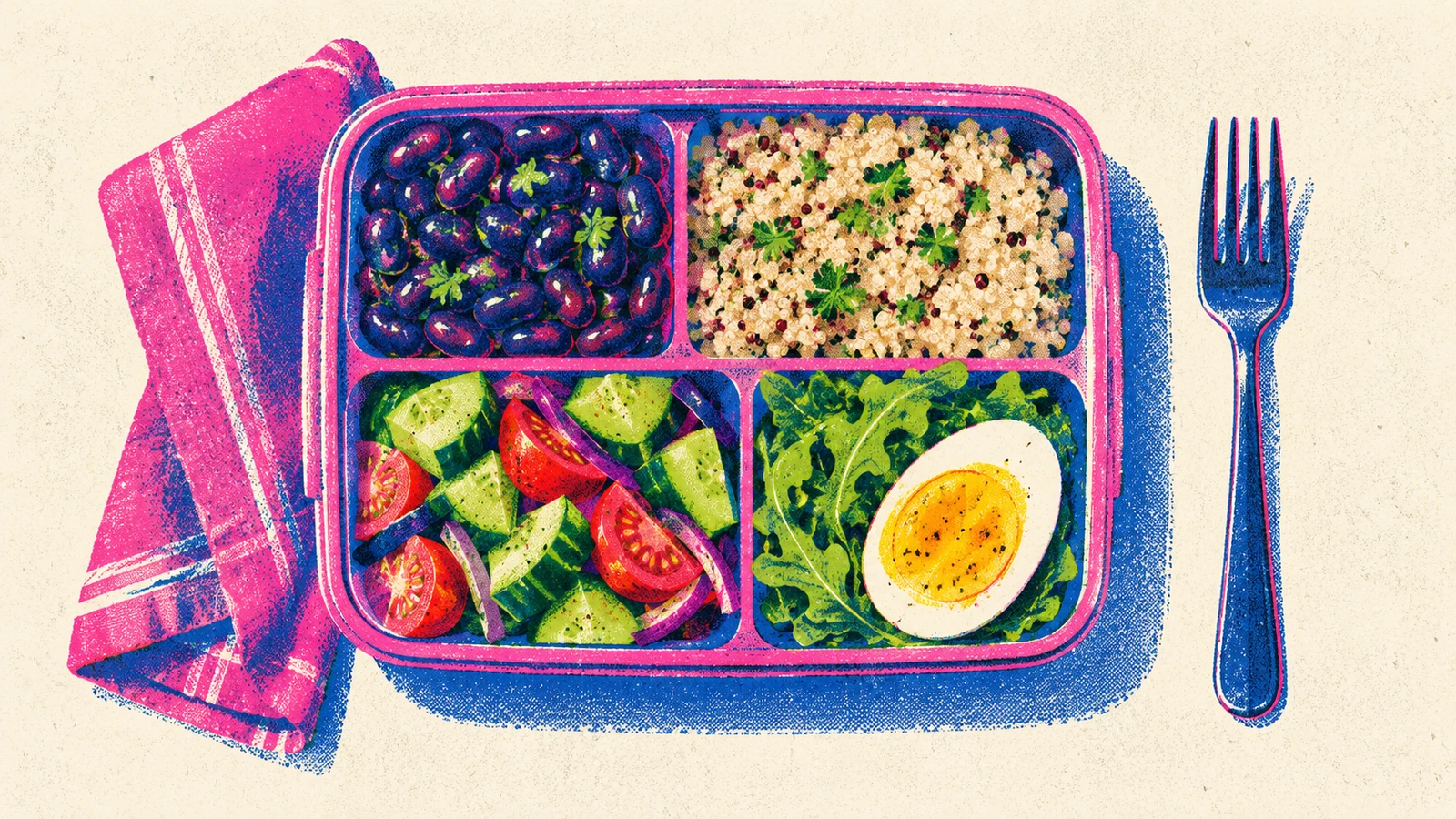
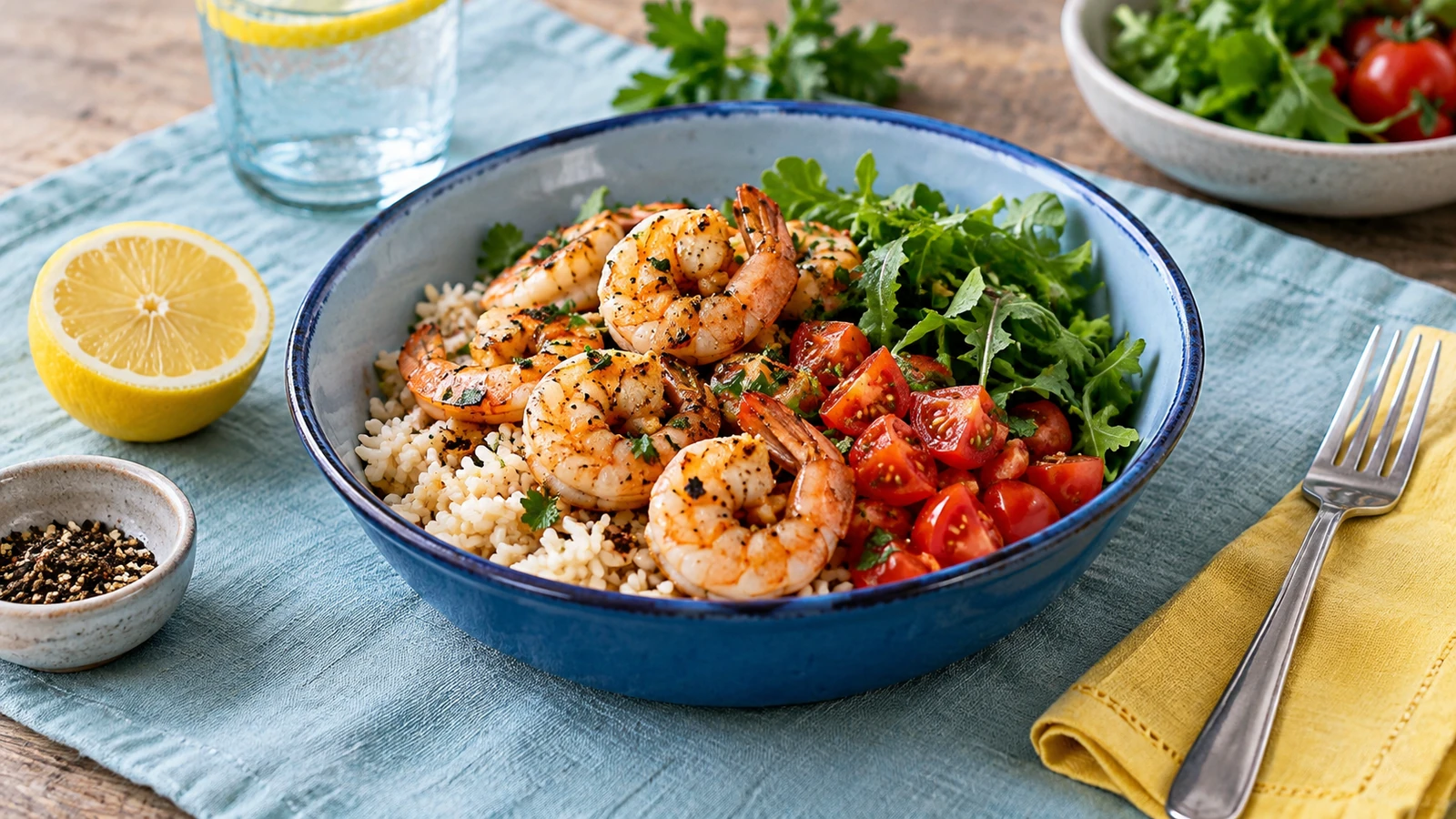
Use it as one component. Consider a protein food and vegetables or another suitable produce option alongside it. Examples include a baked potato with beans and vegetables; a potato with fish and a vegetable side; or a potato with a yogurt-based topping and another protein-containing food.
These combinations are meal ideas, not measured prescriptions. Our balanced-meal guide explains how to assemble components around preferences and access. The pinto-bean article and yogurt guide offer related portion and label discussions.
Look at what the meal needs in your situation. A potato eaten alone may be enough for a particular snack and insufficient for a full meal for someone else. If you finish lunch hungry or repeatedly miss protein-containing foods, discuss the whole pattern rather than blaming one starch.
What has the potato-and-bean feeding study shown?
A randomized, controlled feeding study enrolled 36 adults with insulin resistance and compared two low-energy-density diets over eight weeks: one incorporating potatoes and one incorporating beans. Both groups lost weight, with no significant difference in weight loss between diets. Primary study.
The trial supplied structured meals and weekly support. Its potato intervention used boiled potatoes with skin, refrigerated before incorporation into meals; it was not a trial in which adding one plain baked potato to an unchanged diet produced a predictable result. That preparation distinction matters when interpreting a study in an article about baked potatoes.
The study was short and involved a defined population. It does not establish a universal potato portion, a potato-only diet, or an individual glucose (blood sugar) response. Funding included the Alliance for Potato Research and Education and NIH support; the authors reported that funders had no role in design, analysis, or writing. The findings support a bounded conclusion about those complete diets, not a fat-loss promise attached to one ingredient.
Does cooling a potato make weight loss automatic?
No. The trial’s preparation methods do not prove that cooling your potato creates a guaranteed weight-management benefit. A specific study diet and a home cooking practice answer different questions.
If you prepare potatoes ahead, prioritize safe cooling and storage. Do not leave them out overnight because a post says cooling increases a desirable starch. The complete meal, preparation, and personal care plan remain relevant whether the potato is freshly cooked or reheated.
Avoid turning a nutrition mechanism into an instruction to eat more of one food or disregard toppings. Even a plausible change in starch properties does not determine a person’s overall intake, tolerance, or long-term weight trend.
What if I have diabetes or a nutrient restriction?
A potato contains carbohydrates, and the whole meal matters to glucose management. Ask the diabetes team how the portion and meal fit your established plan. Beans, toppings, sauces, and drinks can contribute as well; one ingredient does not cancel another’s carbohydrate content.
The potassium value in the table is a reference, not a reason for every person to seek more potassium. If kidney disease or another condition requires a nutrient restriction, get individual guidance. Do not apply a general food article in place of the plan from your clinician or dietitian.
Bring the actual recipe and typical portion when asking for advice. That makes the review more specific than asking whether all potatoes are allowed. It can also help preserve familiar meals while adapting them appropriately.
Can I eat baked potatoes during GLP-1 treatment?
There is no universal baked-potato ban in this article. Consider the amount, topping richness, other meal components, and your tolerance. Lower appetite does not remove the need for adequate food or make a plain starch the only food you should eat.
If a large meal worsens nausea or reflux, discuss the pattern with the care team. Our semaglutide nausea and vomiting guide covers symptom questions and warning signs. Repeated vomiting, very low intake, or trouble maintaining fluids needs assessment rather than more dietary restriction.
If you are comparing weight-treatment options, the CoreAge Rx tirzepatide page describes the service. A potato meal does not determine eligibility, and medication should not be adjusted to compensate for a particular food.
Meal prep and leftovers
Plan how the complete meal will be cooled, stored, transported, and reheated. USDA advises refrigerating perishable leftovers within two hours, or one hour when temperatures exceed 90°F. Use appropriate shallow containers for cooling and reheat leftovers to 165°F. USDA leftovers guidance.
Consider toppings and side dishes as well as the potato. A meal with meat, dairy, or another perishable addition needs the correct storage conditions for all components. An insulated bag should be used appropriately; it does not automatically make food left warm for a long period safe.
Make portions you can realistically use and follow storage guidance. A weight-management meal is still a food-safety decision. Do not taste questionable leftovers to determine whether they are safe.
Practical questions when ordering a potato meal
Ask what toppings are included, whether they can be served separately, and whether nutrition information is available. Consider what you want alongside the potato and whether the portion suits the occasion. You can make those decisions without knowing an exact calorie number.
If the meal is larger than you want, an appropriate leftover plan may be useful. If it is smaller than you need, another component may help. Do not assume the smallest possible restaurant order is always the healthiest option for your circumstances.
Our calorie-intake guide explains why estimates, adequacy, and the overall trend belong together. The plantain article provides a related example of separating raw or plain references from finished starch-based dishes.
Frequently asked questions
Should I eat the skin?
The reference table includes flesh and skin. A different preparation needs its own reference if you want a closer estimate. Choose a preparation you can tolerate and follow appropriate food handling; the table is not a universal instruction to eat skin.
Are sweet potatoes always better?
They are different foods with their own references and preparations. Compare the actual portions and meals rather than assuming the color establishes a universal weight-loss ranking. Variety, preference, and individual needs can guide the choice.
How many baked potatoes should I eat each week?
There is no single number that fits everyone. Consider your overall eating pattern, medical plan, and preferences. The evidence reviewed here does not establish a weekly potato prescription.
Related reading
Read balanced meals, pinto beans, and fruit portions for more practical examples. Each guide keeps named nutrition references separate from the amount a particular person needs.
Educational information for adults; individual treatment decisions require a qualified clinician. Sources reviewed October 3, 2026. Original AI-generated article images depict fictional people and objects, not patient outcomes. Other editorial images are illustrative. Graphics summarize the cited sources.