
Time Out is CoreAge Rx’s provider-guided formula listing estriol 0.3%, vitamin C 5%, and hydrolyzed hyaluronic acid 0.5%. It combines a hormone with ingredients used in topical skin care. The presence of moisturizing ingredients should not obscure the separate medical discussion required by estriol.
To evaluate Time Out, review the exact preparation, the skin concern being treated, the evidence for each component, and the directions on the dispensed prescription. Matching an ingredient percentage to a study does not establish that the finished combination has the same benefit or safety profile.
What the current product page discloses
The Time Out page lists the three active ingredients and percentages. It describes provider-guided use for skin-quality concerns and directs users to follow their individualized instructions. The pharmacy label should specify the amount, frequency, application area, storage, and beyond-use date.
The public summary does not identify the precise vitamin C form or an exact molecular-size range for the hydrolyzed HA. It also does not replace the complete formulation information needed to review an allergy or compare a clinical study.
Ask the pharmacy for missing details when they affect a decision. Do not fill them with information from another brand or assume every product with the same headline ingredients is equivalent.
The three ingredients have different roles
| Ingredient | Publicly listed concentration | Discussion to have |
|---|---|---|
| Estriol | 0.3% | Hormone identity, evidence limits, individual suitability, and exposure |
| Vitamin C | 5% | Exact form, formulation stability, tolerance, and intended skin-care role |
| Hydrolyzed hyaluronic acid | 0.5% | Hydration support, molecular-size uncertainty, and the complete vehicle |
These percentages are not a score of likely improvement. They also do not describe the amount absorbed. The actual use pattern and preparation remain important.
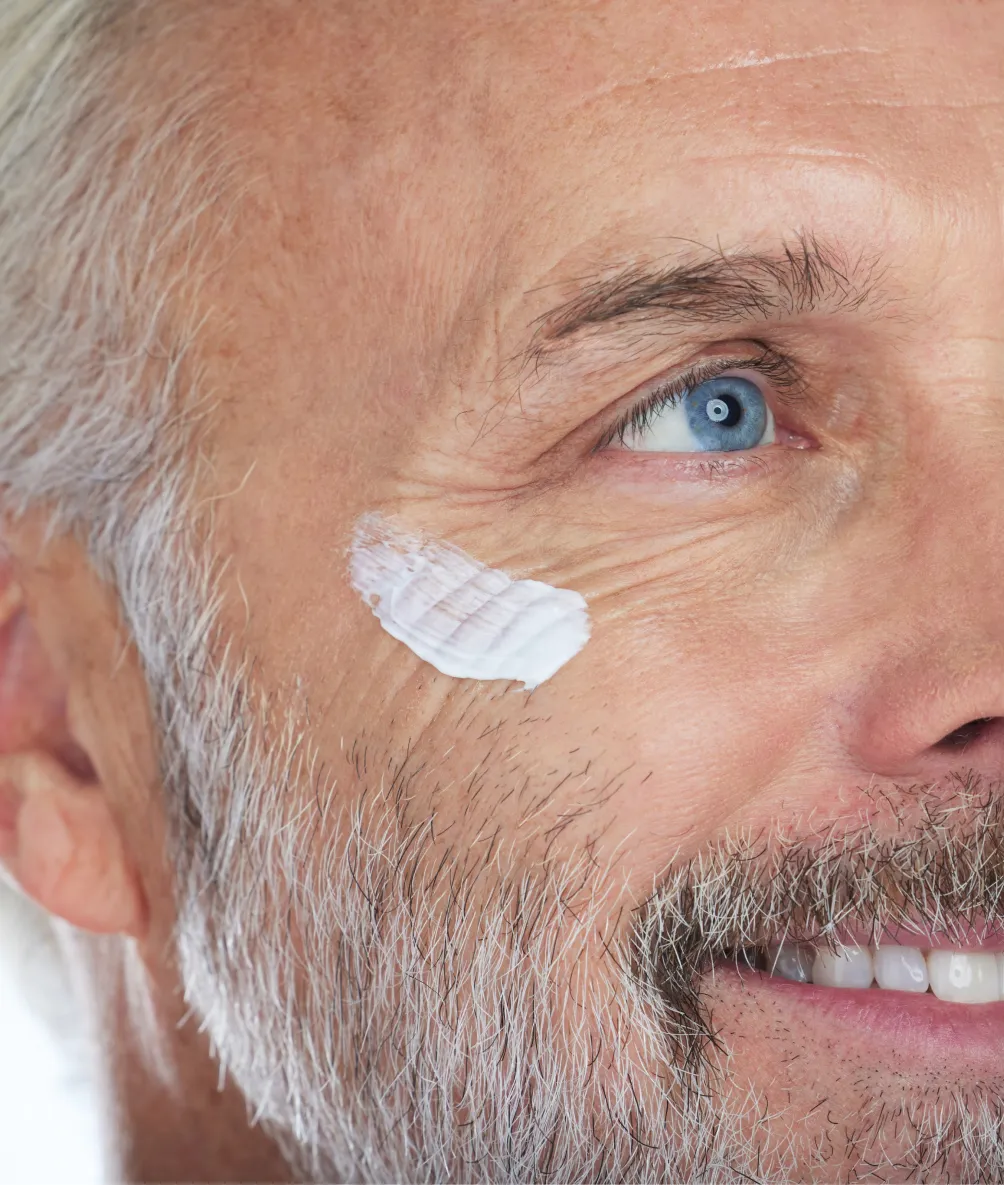
Estriol is an estrogen
Estriol should be treated as a hormone even when the goal is facial skin appearance. Topical application does not guarantee that exposure remains entirely local. Amount, frequency, area, skin condition, and formulation can influence the context.
The FDA’s menopause information states that no estriol-containing drug is FDA-approved and that estriol should not be assumed to be a proven safer estrogen. Natural or bioidentical language does not resolve those evidence questions.
Review the full medical and hormone history with the prescriber. The estriol safety questions guide explains what information belongs in that discussion, including other hormone products and relevant health changes.
The human skin evidence has limits
Small studies of topical estrogens have reported changes in some skin measurements. The review of estrogen-deficient skin describes variation in formulations, populations, and outcomes. Those studies should not be turned into a universal promise of rejuvenation.
Time Out’s estriol percentage resembles one used in a commonly cited older study, but the complete cream should not be assumed to be identical. Vitamin C, hydrolyzed HA, the vehicle, and actual application can differ.
The estriol evidence guide examines the studies in detail. A small study without a reported systemic problem does not establish zero absorption or unrestricted long-term safety for a different preparation.
Vitamin C form and stability matter
Vitamin C can mean L-ascorbic acid or a derivative with different properties. The topical vitamin C review explains why formulation affects stability and delivery. The listed 5% does not reveal the form or every relevant property of the finished cream.
Ask the pharmacy for the exact ingredient if you are comparing products or reviewing compatibility. Do not assume Time Out behaves like a separate acidic serum or that another vitamin C product must be added.
The vitamin C mature-skin guide explains the evidence and routine questions. Vitamin C’s presence does not establish sunscreen protection for Time Out.
Hydrolyzed HA supports a hydration discussion
Hyaluronic acid is used as a water-binding ingredient. Hydrolyzed indicates that it has been broken into smaller fragments, but the term alone does not provide a precise molecular-size distribution.
A clinical study of specific HA creams reported hydration and other measured changes under defined conditions. It was not a trial of Time Out’s complete combination, and its results should not be scaled according to the higher HA percentage listed here.
The mature-skin HA guide and hydrolyzed HA explanation distinguish surface hydration, molecular-size claims, and injectable filler. A topical cream is not interchangeable with an injection.
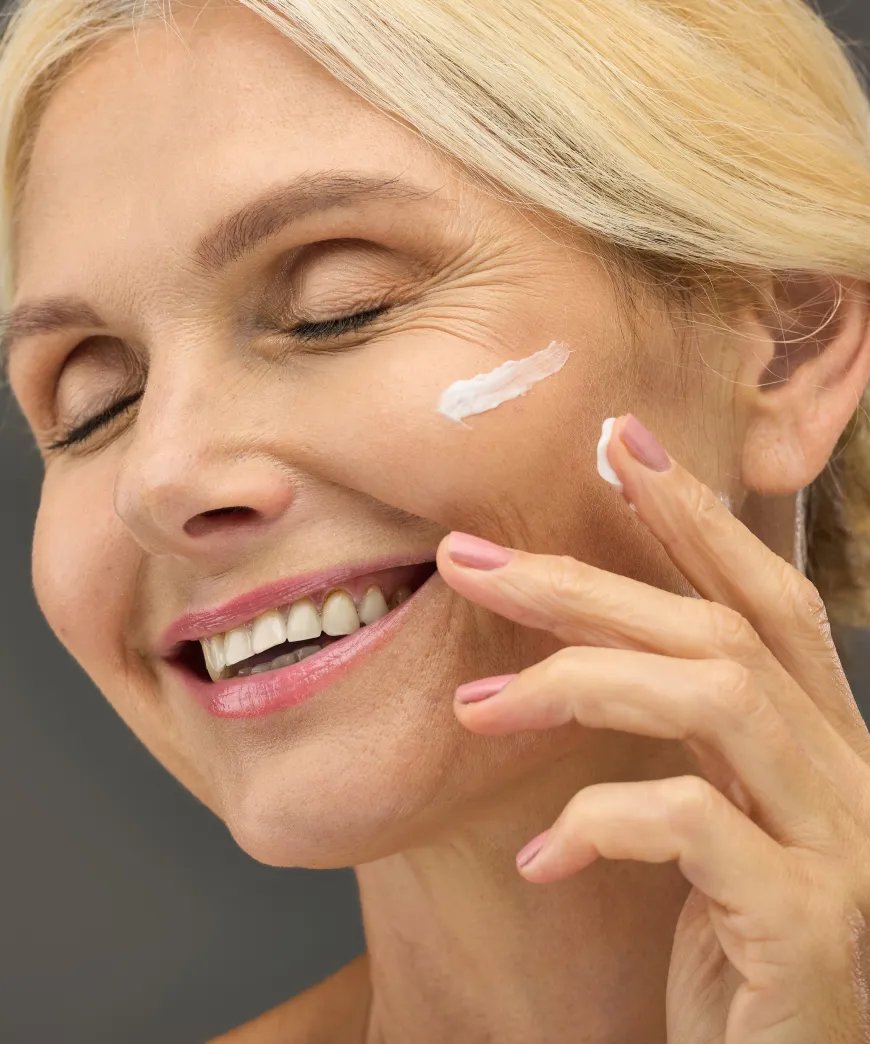
Define why this combination is being considered
Ask the provider to identify the main goal: comfort, dryness, a defined texture concern, or another feature. If the face is persistently itchy, inflamed, or painful, diagnosis should come before assuming a cosmetic formula is the answer.
Discuss whether nonhormonal moisture care or another treatment could meet the goal. A hormone-containing product should have a clear rationale in the individual plan, not simply be selected because the skin is mature.
The menopausal skin-care guide and dry-skin routine provide a practical starting framework. Surface comfort is a useful outcome even without a hormonal active.
Follow the prescribed amount and area
Confirm the application instructions on the label, including clean, dry skin guidance and excluded areas. Do not extend use to eyelids, lips, mucosa, broken skin, or additional body areas without the prescriber’s direction.
Do not use the facial cream vaginally or substitute it for a hormone patch, oral medication, or another hormone preparation. Do not share the prescription. A missed application should not be followed by extra product unless the specific instructions direct it.
Ask the pharmacy how to measure the prescribed amount with the supplied dispenser. The concentration alone does not tell you how much to apply.
Keep the surrounding routine clear
Review retinoids, acids, acne treatments, pigment prescriptions, peels, and recent procedures. A multi-active routine can create irritation and make the response difficult to interpret. Ask which steps remain useful and which should change.
Do not mix Time Out with another serum or powder to alter the texture or strength. Use the supplied preparation according to its instructions. Keep optional products stable during introduction when practical and record any new symptoms.
The presence of HA and vitamin C does not guarantee that the full formula cannot irritate. The base and the skin’s current condition also matter.
Sunscreen remains a separate step
The AAD recommends broad-spectrum SPF 30 or higher, with appropriate clothing and shade. Time Out should not be treated as sunscreen because it contains vitamin C or is described as supporting skin quality.
Do not mix the prescription into sunscreen. If layers pill or sting, discuss a simpler routine or different supporting textures. Choose a sunscreen that fits your skin tone and daily activities well enough to use consistently.
For pigment concerns, the tinted sunscreen guide explains the additional visible-light discussion. Protection and the hormone-containing treatment have distinct roles.
Understand the compounded-product context
Compounded drugs are not FDA-approved. The FDA compounding explanation describes the difference from approved products. A prescription does not establish FDA premarket review of the finished Time Out combination for safety and effectiveness.
Know which pharmacy prepares the product and how to contact it. Keep the original container, follow the storage instructions, and pay attention to the beyond-use date. Do not assume refrigeration is needed or helpful without instructions.
Report unexpected changes in appearance, smell, texture, or dispensing. Do not add water or transfer the cream to an unmarked jar to correct a change yourself.
Know what to report and when to reassess
Ask the prescriber which local and possible hormonal symptoms should prompt contact. Unexpected vaginal bleeding, breast changes, or other new symptoms deserve assessment. Include the facial prescription in every relevant medication review.
Persistent burning, a spreading rash, marked swelling, or blistering after a new product also needs advice. Stop a newly introduced product that causes a marked reaction. Severe facial swelling or breathing difficulty requires urgent care.
At follow-up, assess the defined skin goal, tolerance, and whether the benefit is meaningful enough to continue. Use comparable photographs and record other routine changes rather than assuming every improvement comes from estriol.
Keep facial care separate from menopause symptom treatment
Time Out should not be substituted for treatment of hot flashes, vaginal symptoms, or other menopause concerns. The facial estriol versus hormone therapy guide explains why the decisions should be coordinated but remain distinct.
The most useful product review identifies the formula, defines the goal, discusses the evidence limits, and makes use and follow-up clear. Time Out’s familiar moisturizing ingredients can explain part of its rationale while estriol retains the medical attention that a hormone-containing preparation requires.
Explore Time Out™
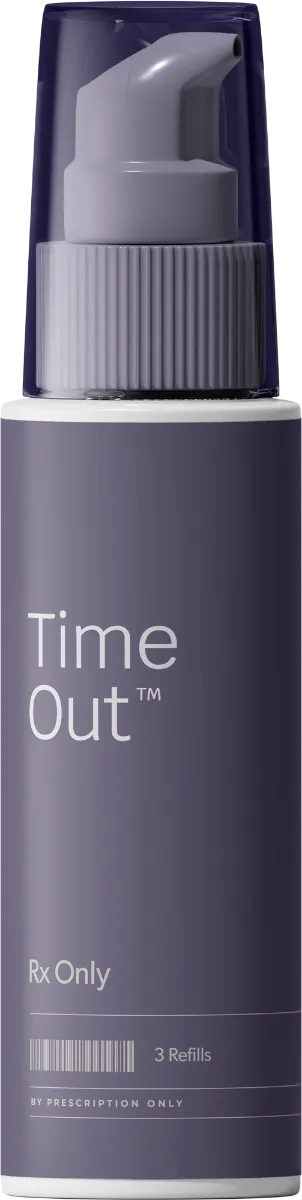
Time Out lists estriol 0.3%, vitamin C 5%, and hydrolyzed hyaluronic acid 0.5%. Estriol is an estrogen, so suitability and use require individual medical review. A facial formulation is not interchangeable with menopause hormone therapy or vaginal estrogen. Review the current Time Out™ page and bring your existing skin-care products to the provider discussion.
Related reading
- Menopausal Skin Care: Dryness, Firmness, and Treatment Questions
- Estriol Face Cream: What Human Skin Research Can Tell Us
- Topical Estriol for Facial Skin: Safety Questions for Your Prescriber
- Vitamin C for Mature Skin: Formula, Stability, and Expectations
- Tretinoin versus retinol: choosing a routine
Educational information; your prescription and clinician’s instructions guide individual care. Product details and linked sources checked September 15, 2026. Ingredient research does not establish identical results for a finished compounded formula. Photographs are illustrative and do not show treatment outcomes.