
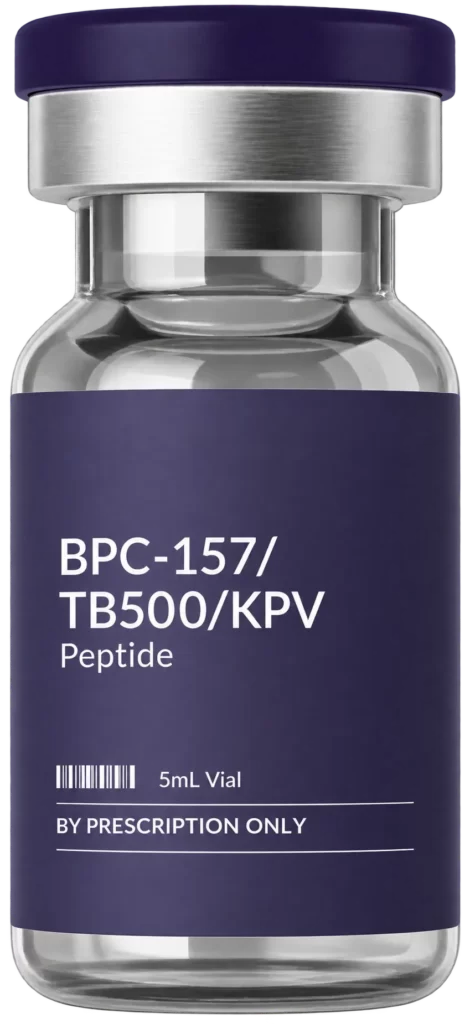
BPC-157/TB500/KPV

BPC-157 / TB-500 / KPV



What Is BPC-157 / TB-500 / KPV?
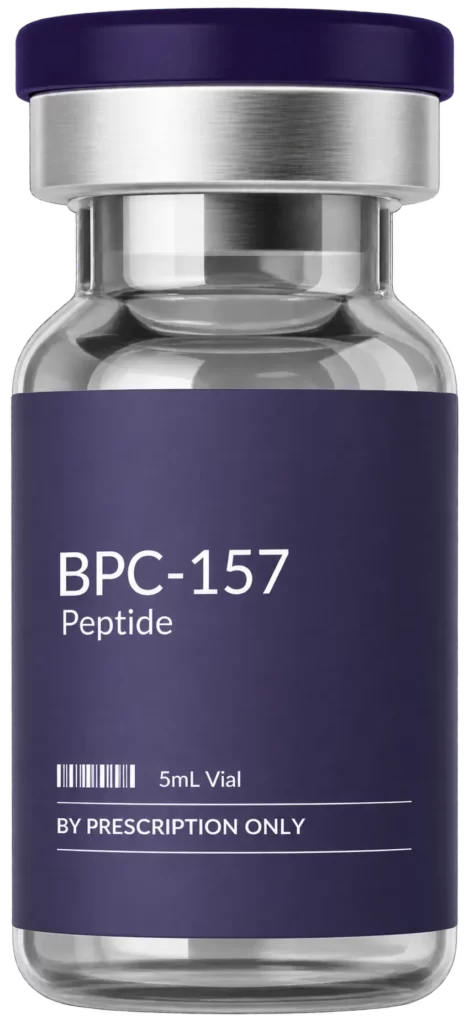
BPC-157 is a synthetic peptide that has drawn attention in research exploring how tissues respond to stress and injury. Scientists have studied its relationship to signaling pathways involved in blood-vessel formation, inflammation, and tissue repair.
TB-500 is a synthetic peptide associated with research on thymosin beta-4-related biology. Thymosin beta-4 is a naturally occurring peptide studied for its involvement in cell movement and tissue-repair processes.
KPV is a short peptide made from three amino acids; lysine, proline, and valine and is a fragment of the naturally occurring hormone alpha-MSH. Researchers are interested in its potential interactions with inflammatory signaling.


Three peptides, one vial
BPC-157A closer look at the science of tissue recovery
TB-500Discover the biology behind movement and repair
KPVExplore the connection between skin, gut and inflammation
Patient Counseling


Recovery Starts With Questions.
Get your medications in 3 simple steps

Take the health questionnaire

Our doctors will review your answers

Get your meds
Related Products
Coaching & human support


Frequently asked questions
How does BPC-157 work?
Angiogenesis (New Blood Vessel Formation): Upregulates Vascular Endothelial Growth Factor (VEGF) and activates pathways like VEGFR2 and Akt-eNOS to stimulate the growth of new blood vessels, delivering essential oxygen and nutrients to damaged tissues.
Collagen Synthesis and Fibroblast Activity: Interacts with tendon and tissue fibroblasts, encouraging them to migrate, build, and organize collagen (types I and III) needed for repairing tendons, ligaments, and skin.
Nitric Oxide (NO) Signaling: Modulates the nitric oxide pathway to regulate blood vessel tone and circulation around injury sites.
Anti-Inflammatory Effects: Helps control chronic or acute inflammation by reducing pro-inflammatory cytokines, including TNF-alpha, IL-6, and IFN-gamma
Gastrointestinal Protection: Originally studied for gut health, helps protect and heal the lining of the stomach and intestines, supports tight junctions, and aids in ulcer recovery.
How does TB-500 work?
Actin Regulation: TB-500 binds to and regulates actin, a major structural protein that cells use to maintain shape, build internal scaffolding, and migrate. By managing actin polymerization and storing G-actin monomers, it preps cells to move toward damaged tissue.
Cell Migration and Recruitment: Stimulates the migration of repair and stem-like cells to areas of soft tissue injury, muscle strain, or wounds.
Angiogenesis (Blood Vessel Growth): Supports the formation of new blood vessels into healing tissue, increasing the local supply of oxygen and nutrients needed for recovery.
Inflammation Modulation: Dampens inflammatory signaling pathways, which helps reduce chronic inflammation, joint stiffness, and excessive scar tissue formation.
Systemic vs. Local Reach: Unlike some peptides that act strictly at a single localized site, TB-500 is being studied for broader, system-wide cellular repair throughout the body.
How does KPV work?
Calming Inflammatory Signals: KPV appears to influence how cells respond to inflammation, potentially helping regulate the signals that contribute to irritation and tissue stress.
Supporting the Body’s Natural Response: KPV interacts with receptors involved in the immune system, which may help the body maintain a balanced inflammatory response.
Reducing Inflammatory Activity: Early research suggests KPV could help regulate certain substances the body releases during inflammation, particularly in tissues such as the gut and skin.
What are the potential benefits?
BPC-157
- Tissue Recovery Support: Potentially supports the body’s natural repair processes involving tendons, ligaments, and skeletal muscle.
- Gastrointestinal Health: Emerging research explores its possible role in maintaining the gastrointestinal lining and gut barrier function.
- Inflammatory Response: Preliminary findings suggest a possible influence on inflammatory signaling and the body’s natural response to tissue stress.
TB-500
- Angiogenesis Support: Being studied for its potential role in supporting blood vessel formation and the delivery of oxygen and nutrients to tissues.
- Cellular Migration: May direct actin proteins to help healthy cells migrate to the site of an acute injury.
- Joint and Muscle Recovery: Explored for its potential to support joint comfort, mobility, and the body’s natural recovery processes following physical activity or injury.
KPV
- Skin & Tissue Anti-Inflammation: Targets and suppresses the signaling pathways of inflammatory cytokines, making it popular for inflammatory skin conditions like eczema or psoriasis.
- Wound Recovery: May stimulate structural cellular repair and minimize scar formation during early skin healing.
- Antimicrobial Tendencies: Demonstrates mild direct antimicrobial properties against certain bacterial and fungal pathogens.
How to use?
Use only the specific dosage form, dose, frequency, and route on your prescription label.
Follow pharmacy instructions for handling, storage, expiration or beyond-use date, and disposal.
Contact the prescriber about unexpected symptoms or concerns; do not increase the dose on your own.
What are the possible side effects?
Possible irritation or discomfort if an injectable formulation is prescribed
Formulation-dependent administration-site irritation may occur
Irritation may occur depending on the dosage form and route
Allergic or unexpected reactions are possible
Human safety, interaction, and long-term risk data are limited
What precautions should I know about?
Discuss your medical history, medications, allergies, pregnancy or breastfeeding, and treatment goals with the prescribing clinician.
Ask your pharmacy about the specific formulation, ingredients, concentration, administration route, and storage requirements.
Use only as prescribed for you; do not share medication or supplies.
Seek prompt medical advice for a concerning reaction. Difficulty breathing or facial/throat swelling requires emergency care.