
Alcohol decisions during Zepbound treatment should account for your symptoms, other medicines, diabetes care if relevant, and drinking history. There is no universal drink allowance that follows from taking tirzepatide. Discuss the actual situation with the prescriber, especially if eating or drinking has become difficult.
Research about reduced alcohol craving is interesting, but it does not make Zepbound an approved alcohol-use-disorder treatment. A small semaglutide trial and observational tirzepatide research answer different questions. Neither supplies a safe personal amount of alcohol.
Can you drink alcohol while taking Zepbound?
Ask your clinician to review alcohol alongside the full treatment plan. Explain how much and how often you drink, whether you have had withdrawal symptoms, and what other medicines you use. A vague description such as “occasionally” may leave out information that changes the advice.
Also mention current nausea, vomiting, abdominal pain, poor intake, or trouble maintaining fluids. Zepbound’s prescribing information includes gastrointestinal reactions and warnings about pancreatitis, hypoglycemia, and kidney injury related to volume depletion. Current Zepbound label.
An absence of a personalized discussion is not permission to test your tolerance. If you are already unwell or unable to eat and drink adequately, get clinical guidance rather than make alcohol part of that experiment.
Why meals and diabetes medicines matter
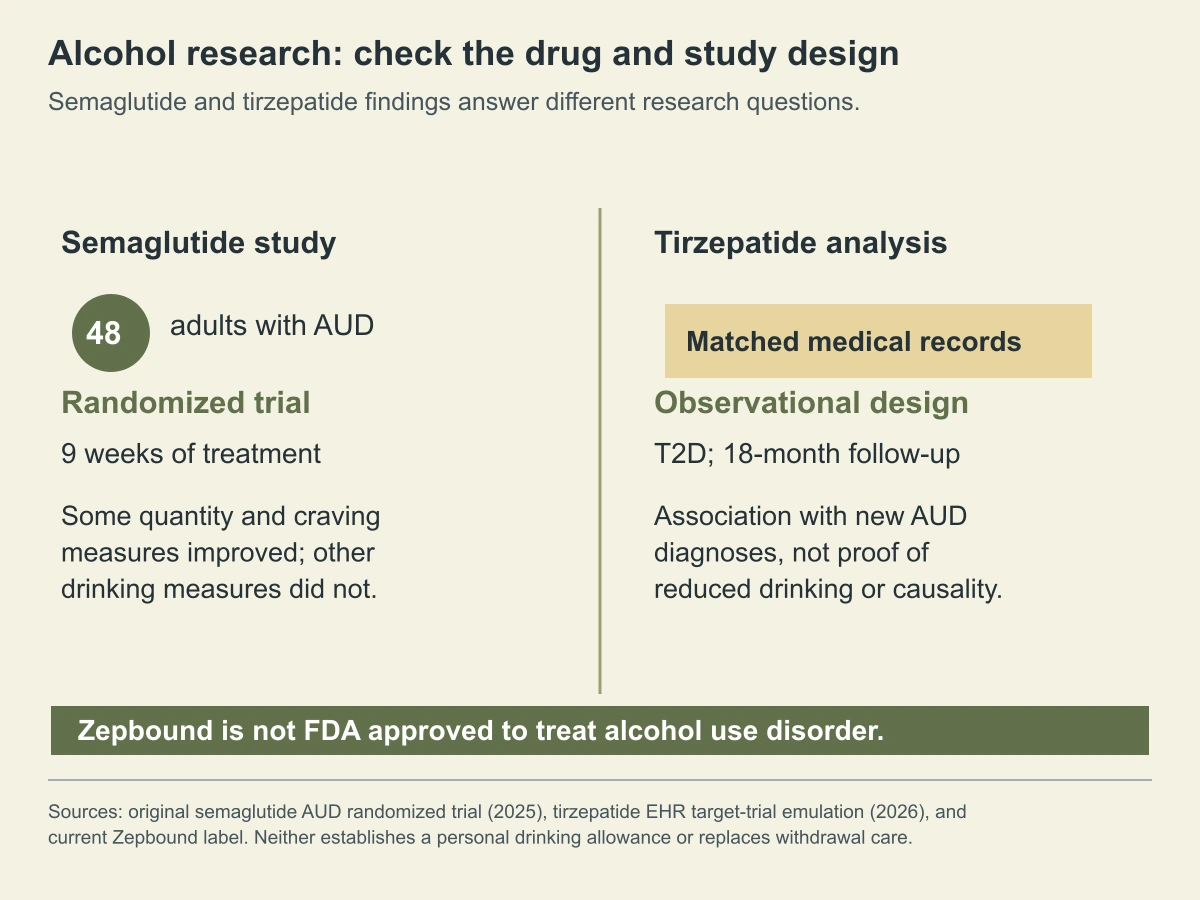
NIDDK explains that alcohol can cause blood glucose to drop too low in people using insulin or certain diabetes medicines. Its guidance emphasizes discussing drinking habits with the care team and the role of food and glucose monitoring. NIDDK diabetes nutrition guidance.
Zepbound’s label separately notes that use with insulin or an insulin secretagogue can increase hypoglycemia risk. The prescriber should review that combination and the individual’s monitoring plan. Do not change diabetes medicine amounts yourself to make room for drinking.
If you have been eating much less, say so. A personal plan needs to consider what you actually consume, not only the intended menu. Our balanced-meal guide and breakfast guide offer practical eating options; they are not instructions for managing an alcohol-related glucose event.
Nausea, vomiting, and dehydration concerns
The Zepbound label lists nausea, diarrhea, vomiting, constipation, and other digestive reactions among common adverse effects. Persistent symptoms deserve review. Being unable to maintain fluids can be a more urgent issue than deciding which social drink to choose. Zepbound adverse reactions and warnings.
For a useful symptom report, record when symptoms began, the most recent administration, recent treatment changes, food and drink intake, and other medicines. Include alcohol honestly. The information helps the clinician assess the whole situation without assuming one cause.
Our tirzepatide questions guide covers broader follow-up topics. The hydration guide explains why fluid needs are individualized and why a flavored beverage does not replace assessment of persistent vomiting or poor intake.
Abdominal pain should not be dismissed as a drinking effect
Zepbound has an acute-pancreatitis warning. Severe persistent abdominal pain, particularly with other concerning symptoms, needs prompt medical evaluation rather than an assumption that it is ordinary indigestion or a hangover. Use the medication’s current safety instructions and your care team’s urgent-care plan. Zepbound pancreatitis warning.
Likewise, fainting, severe symptoms of low glucose under your diabetes plan, breathing difficulty, or a serious allergic reaction require urgent or emergency attention as appropriate. Do not wait for a routine follow-up message when symptoms are severe.
This discussion does not calculate the combined risk of a particular alcohol amount and tirzepatide. It explains why important symptoms should remain visible in the decision rather than be explained away by the context of a social evening.
Does Zepbound reduce alcohol cravings?
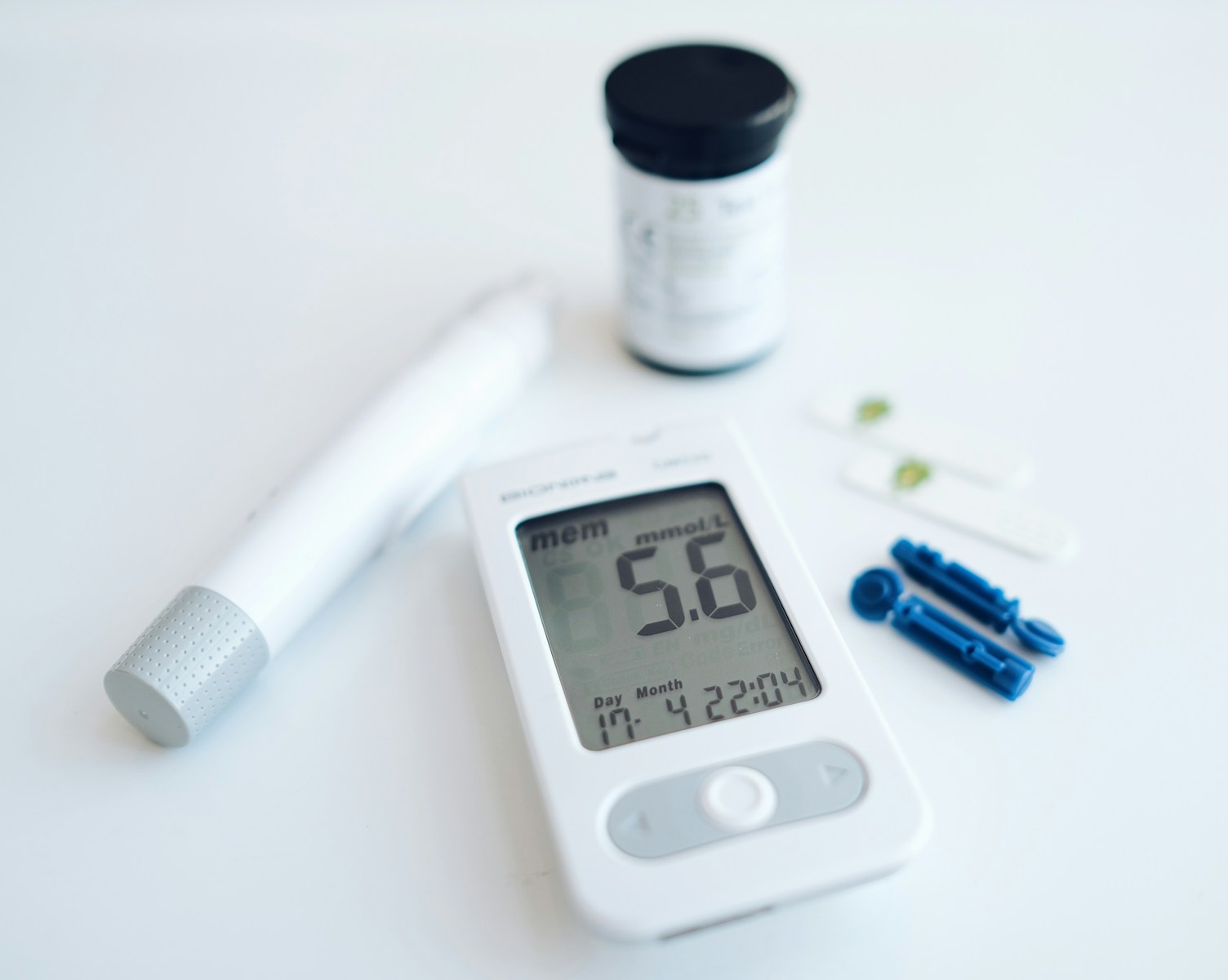
The tirzepatide evidence reviewed here is observational. Investigators used electronic health records to emulate a target trial in adults with type 2 diabetes who did not have a prior alcohol-use-disorder diagnosis. They compared new diagnoses over 18 months with other diabetes-treatment groups. Original tirzepatide study abstract.
An association with fewer new diagnoses is not the same as a randomized finding that Zepbound reduces an individual’s drinking or craving. The study population, prescription choices, diagnostic coding, and unmeasured differences can affect interpretation.
The phrase “target-trial emulation” describes an analytical approach; it does not mean participants were actually randomized. That distinction is especially important when a headline turns an association into a treatment promise.
What did the semaglutide alcohol trial show?
A 2025 phase 2 randomized trial studied 48 adults with alcohol use disorder who were not seeking treatment, over nine weeks. It found improvements in some alcohol-quantity and craving outcomes, while average drinks per calendar day and the number of drinking days did not improve. Original semaglutide randomized trial.
The study was small, short, and involved a selected group. Complete laboratory outcome data were available for a smaller subset. It is an early research result, not a general instruction for treating alcohol dependence.
It also studied semaglutide, not tirzepatide. Similar interest in appetite-related pathways does not make one drug’s trial a trial of another drug. Our GLP-1 overview and tirzepatide peptide guide explain the medicines’ broader context without treating their evidence as identical.
For the semaglutide-specific discussion, read our expanded review of Ozempic, alcohol and semaglutide craving research. It separates glucose and symptom safety from the small AUD trial, including drinking measures that did not significantly change.
Compare the research question before comparing the result
| Evidence reviewed | What was studied | What it cannot establish |
|---|---|---|
| Semaglutide randomized trial | Short-term alcohol outcomes in 48 selected adults with AUD | A tirzepatide effect, long-term recovery, or a personal drinking allowance |
| Tirzepatide electronic-record study | New AUD diagnoses in adults with type 2 diabetes | Randomized causality or the amount an individual will drink |
| Current Zepbound label | Labeled indications and prescribing safety information | Approval to treat AUD or a universal alcohol plan |
Read a claim in that order: drug, population, design, outcome, and duration. A lower diagnosis rate is different from fewer drinking days. A change in craving is different from freedom from withdrawal risk.
These distinctions leave room for future research while keeping present care decisions grounded in what has actually been studied.
Zepbound is not an approved AUD treatment
The current label addresses weight management and moderate-to-severe obstructive sleep apnea in adults with obesity under its stated criteria. It does not list alcohol use disorder as an indication. Zepbound prescribing information.
NIAAA describes established approaches to alcohol problems, including medications, behavioral treatment, and other recovery support. A clinician can help select care that fits the person and severity of the problem. NIAAA treatment overview.
If you are worried about drinking, ask for help directly rather than wait to see whether appetite medication changes the urge. You can discuss both weight-related care and alcohol care, but neither should obscure the other.
Heavy drinking and withdrawal need their own plan
After prolonged heavy drinking, abruptly stopping can cause potentially life-threatening withdrawal. NIAAA advises seeking medical help to plan a safe recovery. A report of reduced craving does not establish that stopping without support is safe. NIAAA guidance on cutting down or quitting.
Tell the clinician about previous withdrawal, seizures, or needing alcohol to relieve symptoms. If severe withdrawal symptoms or a seizure occurs, seek emergency care. This article provides no self-directed taper or detoxification regimen.
You do not need to diagnose yourself before asking for help. Describe the pattern and concerns in plain language. NIAAA’s treatment information can help you understand available options and prepare for that conversation.
If pain relief is also involved, our guide to ibuprofen, alcohol, and tirzepatide safety questions separates stomach-bleeding warnings, fluid loss, kidney history, and duplicate NSAID ingredients.
Practical questions before a social event
If drinking is part of a planned event, review the individual advice ahead of time. Useful questions include:
- Does my current health or medication list change the alcohol advice?
- How should I follow my existing meal and glucose-monitoring plan?
- What symptoms mean I should seek help rather than stay at the event?
- What nonalcoholic options are available?
- How will I get home safely?
You can choose a nonalcoholic drink without needing a special product or a medical explanation for everyone at the table. Plain or sparkling water and other suitable options can fit different preferences. Check caffeine and ingredients if using a packaged drink; our Bai label guide gives an example of why flavored waters vary.
Do not change the injection schedule to create a drinking window
Moving, skipping, or reducing a prescription amount is a treatment change. Ask the prescriber about the actual situation rather than assume there is a universally safe interval after an injection.
If a dose was missed for another reason, use the current product-specific instructions and ask about an extended interruption. Do not borrow a semaglutide schedule for tirzepatide. Our Zepbound dose guide explains the terminology, while the pharmacy and prescriber should resolve the personal plan.
The same applies when moving between a brand and a compounded preparation. Identify what you actually receive, its instructions, and the clinical transition. A familiar ingredient name does not supply a self-directed conversion.

Bring alcohol into the broader follow-up discussion
Record the concerns that matter to you: digestive tolerance, meals, fluid intake, glucose under an existing plan, function, weight trends, and drinking pattern. A single number on the scale does not summarize all of them.
Our tirzepatide nutrition and muscle guide can help organize adequate intake and function questions. If reviewing CoreAge Rx’s tirzepatide service, discuss the actual preparation and follow-up. It is a separate service offering and is not an AUD treatment claim or a guarantee of reduced cravings.
Common Zepbound and alcohol questions
Is one drink safe for everyone on Zepbound?
No universal amount follows from the prescription. Other medicines, current symptoms, health conditions, and drinking history can change the advice.
Does Zepbound make alcohol use disorder go away?
That is not established. It is not an approved AUD treatment, and the observational tirzepatide research cannot promise an individual result.
Was the semaglutide alcohol study a Zepbound trial?
No. Semaglutide and tirzepatide are different medicines. Keep the studied drug and design attached to the reported outcome.
Can I stop heavy drinking because I feel less interested in alcohol?
Get medical help with recovery planning if dependence or prolonged heavy drinking may be involved. A change in craving does not remove withdrawal risk.
Should I skip an injection before drinking?
Do not change the prescribed schedule to create your own drinking window. Discuss the concern with the prescriber.
What if I cannot keep food or fluids down?
Contact the care team promptly and follow urgent-care instructions for severe symptoms. The immediate concern is maintaining health and assessing the cause, not selecting a more tolerable alcoholic drink.
What should I tell the clinician?
The actual drinking pattern, other medicines, current symptoms, recent treatment changes, and any history of withdrawal. Those details make a personal plan possible.
Educational information for adults; individual treatment decisions require a qualified clinician. Sources reviewed September 30, 2026. Original AI-generated article images depict fictional people and objects, not patient outcomes. Other editorial images are illustrative. Graphics summarize the cited sources.