Bounce Back is CoreAge Rx’s provider-guided copper-peptide cream. The current public ingredient summary lists copper peptide 2% and describes goals involving skin recovery, texture, and firmness. To understand the product, separate those disclosed facts from the broader research on copper peptides and from the individual directions on your prescription.
This guide explains what the product page tells you, what it leaves for the pharmacy or prescriber to clarify, and how to evaluate the cream without assuming that every copper-peptide study tested this exact formula. It also provides a practical way to review the rest of your skin-care routine before adding another active.
What is publicly disclosed?
The current Bounce Back page identifies copper peptide at 2%. It presents the cream through a provider evaluation process and advises use according to the prescribing clinician’s instructions. The general directions describe a thin layer on clean, dry skin.
The public ingredient summary does not specify the exact peptide identity as GHK-Cu. It also does not provide a complete list of every component in the cream base. Those details matter if you are comparing research, reviewing an allergy, or asking about compatibility with another topical.
Use the dispensing pharmacy as the source for the precise supplied preparation. The container you receive should remain the reference for directions, storage, and the beyond-use date. Do not assume a public product image contains every piece of information needed for your prescription.
What does 2% mean for the comparison?
The listed percentage describes a formulation concentration. It does not measure the amount of improvement you will experience, establish how deeply the ingredient reaches, or guarantee a timeline. Concentration is one part of product information, not a complete performance score.
Percentages also cannot rank unrelated actives. Copper peptide 2%, vitamin C 5%, and tretinoin at a much smaller percentage are different substances with different properties. Comparing the numbers as if they represent the same scale leads to misleading conclusions.
If you are considering another copper-peptide product, compare the exact peptide, concentration, vehicle, directions, and available finished-formula evidence. If one of those details is missing, mark it as unknown rather than assuming the products are equivalent.

How the ingredient research relates to Bounce Back
GHK-Cu is a copper-binding peptide discussed in skin research. Laboratory work has examined processes related to tissue remodeling and skin-cell activity. The 2018 GHK-Cu review also discusses small cosmetic studies, while the topical-delivery review emphasizes limits in clinical evidence and delivery through skin.
That research can explain the rationale for considering copper peptides. It does not demonstrate that Bounce Back itself produced a particular result in a clinical trial. Without confirmation of the exact ingredient and formulation, the match is even less certain.
Ask the provider to distinguish what is known about the ingredient from what is known about the finished cream. A clear explanation should include realistic goals and uncertainty rather than borrowing a dramatic outcome from a different preparation.
Give the cream a specific job
Decide whether your main concern is comfort, rough texture, fine lines, or something else. If the skin is persistently red, painful, or itchy, ask whether a diagnosis should come before another cosmetic treatment. A recovery description does not establish treatment for every rash.
For dryness, the cream base may be a meaningful part of the experience. For fine-line concerns, the evidence and assessment period deserve a different discussion. For acne, a provider may want an established acne treatment rather than relying on a copper-peptide cream.
| Your main question | Useful discussion with the provider |
|---|---|
| Can this make my skin feel less dry? | Review the base, a separate moisturizer, and cleansing habits. |
| Can it improve firmness? | Define the feature and the limits of available evidence. |
| Can it replace another active? | Compare the treatments’ actual roles and evidence. |
| Can I use it after a procedure? | Obtain approval from the treating clinician for the specific product and timing. |
| Can I use it on a rash? | Establish the cause and appropriate treatment first. |
The main copper-peptide guide offers a broader overview. The firmness article helps define a cosmetic goal that can be assessed honestly.

Review the routine before the first application
Prepare a short note describing what has already worked and what has not. Include how long you used previous treatments and why you stopped. A product that was discontinued because of irritation tells a different story from one used comfortably without a visible result. That history can help the provider choose a realistic goal and explain why a copper-peptide formula is being considered now. It also helps avoid repeating a routine that was too complicated to maintain, even if its individual ingredients seemed reasonable.
List your cleanser, moisturizer, sunscreen, retinoid, acids, acne products, and any other prescriptions. Include products used only occasionally. A weekly peel or scrub can matter even when the daily routine looks simple.
Ask where Bounce Back belongs, whether it replaces an existing step, and which products need separate timing or a different plan. Do not add several new actives simultaneously if you want to understand how your skin responds to this one.
If you use vitamin C, provide the exact product name and ingredient form when available. The vitamin C layering guide explains why a broad ingredient chart cannot resolve every combination. For retinoids, see copper peptides versus retinoids.
Follow the individual application directions
Use the prescribed amount, frequency, and treatment area. The public page offers general guidance, while your provider may tailor use to your skin and other treatments. If the label and an online description seem inconsistent, ask the pharmacy or prescriber before guessing.
Do not extend the application to eyelids, lips, broken skin, or another area simply because the product spreads easily. Do not share the prescription. A missed application is a reason to check the instructions, not to apply extra cream at the next opportunity.
Avoid mixing the product with other serums or powders. A supplied formulation should be used as directed. Combining products in a jar changes their use and makes the amount applied less clear.
What to know about tolerance
The full formula influences whether your skin tolerates the product. A peptide label does not rule out irritation from the active, preservatives, fragrance, or other ingredients. Tell the provider about known allergies and prior reactions.
Stop a newly introduced product and obtain advice for persistent burning, a spreading rash, swelling, or blistering. Severe facial swelling or breathing difficulty requires urgent medical attention. Do not assume that discomfort demonstrates repair or that peeling is necessary for benefit.
Discuss pregnancy, breastfeeding, active skin conditions, and recent procedures before use. A general cosmetic evidence summary cannot establish individual suitability in those situations. The sensitive-skin guide offers a way to organize the history.
A compounded prescription needs clear pharmacy information
Compounded drugs are not FDA-approved. The FDA’s compounding explanation describes their role and the difference from approved products. A prescription process does not mean the finished compounded cream has undergone FDA premarket review for safety and effectiveness.
Ask which pharmacy prepares the product, how to contact it, what the label means, and what storage conditions apply. Keep the original container and pay attention to the beyond-use date. Do not assume refrigeration is required or beneficial unless instructed.
If the cream changes unexpectedly in appearance, smell, texture, or dispensing behavior, contact the pharmacy. Visual inspection alone cannot confirm stability, but an unexpected change is worth reporting.
Evaluate the result with a defined follow-up
Before starting, record the concern you want to assess. Take comparable, unfiltered photographs for appearance goals and keep brief notes about comfort. Record other changes in the routine so that the cream is not automatically credited for everything that improves.
Agree on a review date and what decision will be made then. Ask whether the benefit is meaningful, whether the routine is manageable, and whether a different approach would fit the goal better. The results timeline guide explains why no universal week-by-week promise is reliable.
Bounce Back is easiest to evaluate when the product information, evidence, and individual instructions are kept clear. Confirm the formula, give it a defined role, and assess the outcome you actually care about. That makes the decision to start or continue a more informed one.
Explore Bounce Back™
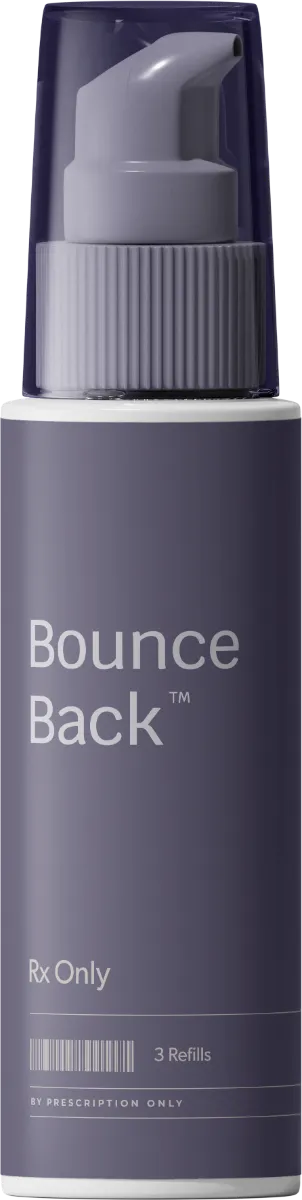
Bounce Back lists copper peptide 2%. Confirm the precise peptide identity, complete formulation, and directions with the dispensing pharmacy and prescribing provider. Review the current Bounce Back™ page and bring your existing skin-care products to the provider discussion.
Related reading
- Copper Peptides for Skin: Evidence, Uses, and Routine Basics
- Copper Peptides and the Skin Barrier: What to Know
- Copper Peptides for Sensitive Skin: Tolerance and Product Questions
- How Long Do Copper Peptide Skin Products Take to Work?
- Tretinoin for fine lines: evidence and daily care
Educational information; your prescription and clinician’s instructions guide individual care. Product details and linked sources checked September 15, 2026. Ingredient research does not establish identical results for a finished compounded formula. Photographs are illustrative and do not show treatment outcomes.