
Acne and visible pores often appear together, but they are not the same problem. A pore is a normal opening in the skin. Acne can develop when a follicle becomes clogged and inflamed, while pores may also look prominent because of oil, skin texture, or changes in firmness. Treatment works best when the goal is clearer, more comfortable skin rather than an impossible pore-free surface.
This guide explains how to distinguish common concerns, build a manageable routine, and discuss ingredients such as those in CoreAge Rx’s Pore Favor. Persistent painful acne, scarring, or an uncertain diagnosis deserves professional assessment rather than a longer list of exfoliating products.
Identify what you are seeing
Blackheads are open comedones: a type of clogged follicle with a dark surface. Whiteheads are closed comedones. Red bumps, pustules, and deeper tender lesions involve different degrees of inflammation. A treatment chosen for a few blackheads may be insufficient for painful nodules.
Sebaceous filaments are different. These normal structures help move oil through follicles and can appear as small, fairly uniform dots, especially on the nose. The Cleveland Clinic explanation distinguishes them from acne plugs. Their visibility does not mean the skin is dirty or that they must be extracted.
If you cannot tell which pattern you have, a clinician can help. Similar-looking bumps may arise from other conditions, and treating everything with stronger exfoliation can add irritation without addressing the cause.
Choose a useful treatment target
“Smaller pores” is often too vague to guide a plan. More concrete targets include fewer new blackheads, fewer painful lesions, less midday shine, or less irritation from acne treatment. These outcomes can be tracked separately.
The AAD’s large-pore guidance emphasizes gentle care, avoiding clogged pores, and appropriate acne treatment. It does not promise permanent elimination of normal openings. A realistic plan may make pores less noticeable while leaving ordinary skin texture intact.
Do not compare your face with a filtered advertisement or a photograph taken in unusually soft light. Magnifying mirrors can also make normal features seem like treatment failures. Judge progress in ordinary conditions and include comfort in the assessment.

Understand the roles of common ingredients
Different acne ingredients have different jobs. Salicylic acid helps with exfoliation and clogged pores. Topical retinoids are established options for preventing comedones. Benzoyl peroxide and other prescription therapies may be appropriate depending on the acne pattern and severity.
The AAD’s updated acne guidelines include topical retinoids among strongly recommended therapies and salicylic acid among conditional recommendations. The distinction reflects the evidence and clinical context; it is not a simple instruction that everyone should use the same treatment.
Supporting ingredients can help a formula fit a routine, but they do not automatically replace acne therapy. Niacinamide, urea, and zinc oxide should be assessed for their role in the complete preparation rather than credited with every improvement an acne regimen might produce.
What Pore Favor contains
Pore Favor lists salicylic acid, zinc oxide, niacinamide, and urea. The public ingredient summary does not disclose individual concentrations. Ask the pharmacy or provider for the strengths and full formulation if those details are needed to compare products or review a sensitivity.
The presence of zinc oxide does not establish that Pore Favor is a tested sunscreen. Use a separate labeled sunscreen according to its directions. Similarly, a facial formula containing urea is not interchangeable with a high-strength foot product that uses the same ingredient name.
The Pore Favor ingredients guide examines the four ingredients individually. It also explains why combining them does not mean that a finished-formula clinical outcome has been established.
Build a routine around a few clear jobs
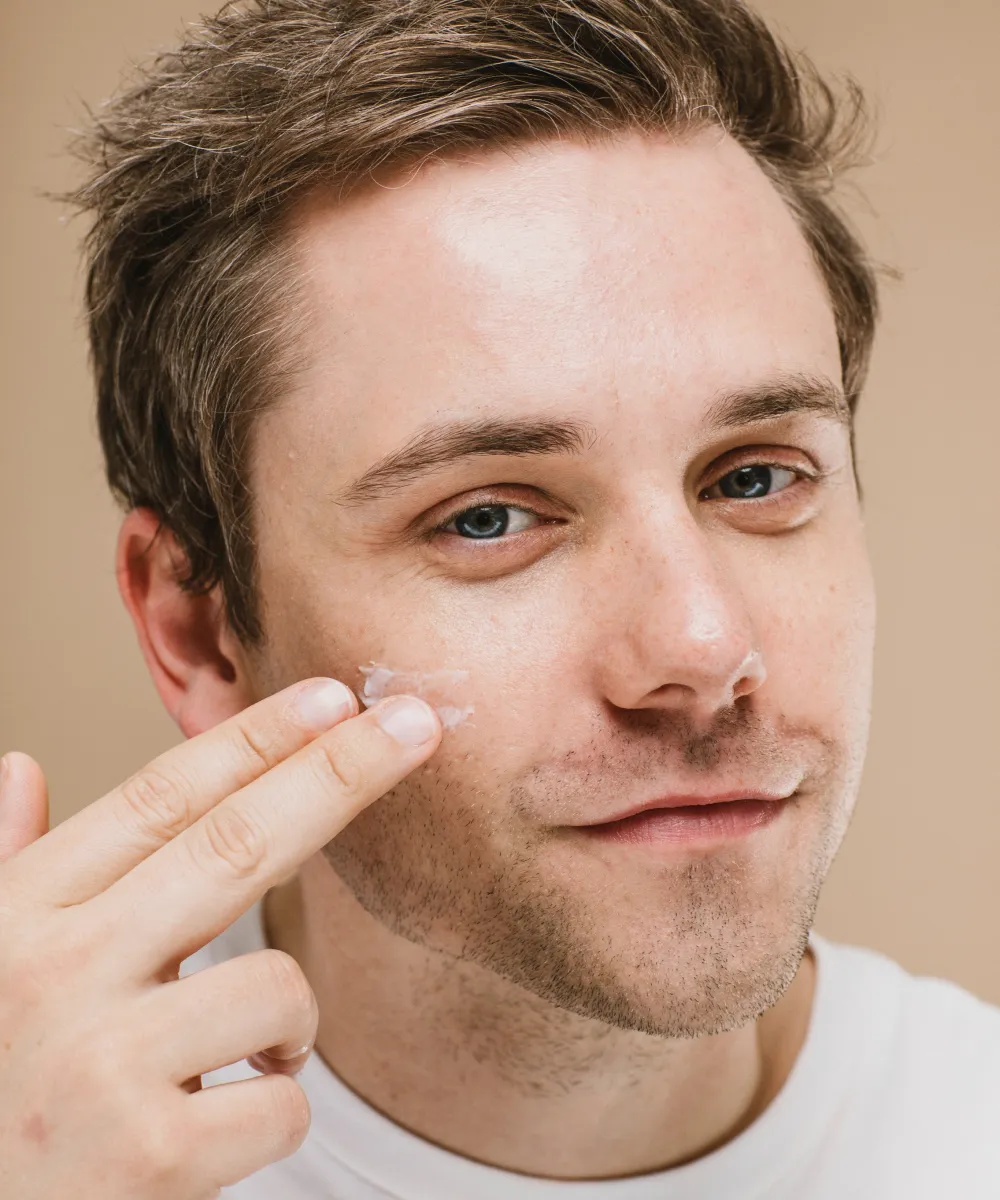
Start with gentle cleansing, a tolerated moisturizer, appropriate sun protection, and the acne treatment selected for your needs. Avoid adding an exfoliating cleanser, leave-on acid, scrub, and peel merely because each claims to clear pores.
Overcomplicated routines can make it difficult to follow the main treatment consistently. They also make it hard to identify the source of burning or scaling. If irritation develops, the answer may be to simplify and review the plan rather than switch every product at once.
| Step | Purpose | Common question to resolve |
|---|---|---|
| Cleanser | Remove surface oil, sunscreen, and makeup | Is it gentle enough for repeated use? |
| Acne treatment | Address the diagnosed acne pattern | Which area and schedule were prescribed? |
| Moisturizer | Support comfort and treatment tolerance | Does the texture suit acne-prone skin? |
| Sunscreen | Provide labeled ultraviolet protection | Can you apply it consistently without discomfort? |
The gentle acne routine guide develops this framework. Use it to organize questions, while following the directions for your actual prescription.
Avoid trying to dry the skin into being clear
A tight, stripped feeling is not the goal of acne care. Oily skin can still be irritated or dehydrated at the surface. Repeated cleansing, alcohol-heavy astringents, and scrubbing may make treatment less comfortable without resolving the underlying tendency to develop acne.
Moisturizer is therefore a practical part of many acne routines. Look for a formulation suited to your skin and discuss noncomedogenic options. No label guarantees that a product will suit every person, so pay attention to your own experience and the whole routine.
If you notice flakes, do not automatically remove them with another acid. Ask whether the treatment needs adjustment and whether a simpler moisturizer would help. Peeling is not a reliable measure of how effectively pores are being treated.
Keep hands and extraction tools out of the plan
Picking or squeezing can injure skin and complicate inflammation or post-acne marks. Repeatedly emptying normal sebaceous filaments also cannot permanently remove a structure that has a normal function. The result may be temporary smoothness followed by renewed visibility and more irritation.
Avoid turning pore strips or extraction videos into a daily standard for skin care. The material visible on a strip is not a measure of overall skin health. If a particular clogged lesion needs treatment, a clinician can advise on an appropriate approach.
For the distinction that often drives unnecessary squeezing, read sebaceous filaments versus blackheads. Understanding the difference can reduce the temptation to treat every visible dot as an acne lesion.
Track progress with the right measures
Choose a small number of observations: new inflamed lesions, persistent blackheads in a defined area, tenderness, and treatment comfort. Use comparable photographs if helpful. Record changes in other products so that results can be interpreted fairly.
Acne treatment is generally evaluated over weeks, and a provider should set the review point for the chosen regimen. Do not switch products every few days because the skin is not immediately clear. At the same time, do not wait through severe irritation or worsening painful acne without contacting the clinician.
Ask what would count as an adequate response and what would trigger a different plan. A scheduled decision is more useful than an open-ended instruction to keep trying indefinitely.
Address dark marks without losing control of acne
Post-acne pigmentation can remain after a lesion has settled. Preventing new breakouts and minimizing irritation are both relevant, particularly when skin readily develops dark marks after inflammation. The AAD’s guidance for acne in darker skin tones discusses this overlap.
A flat dark mark is different from an active pimple or a depressed scar. Those features may need different approaches. Adding a brightening product without reviewing the existing acne regimen can increase complexity and make irritation harder to manage.
Our dark spots after acne guide explains how to separate those goals. If marks are changing unexpectedly or the diagnosis is uncertain, have them assessed before trying to lighten them.
When to seek a different level of care
Painful deep lesions, scarring, persistent acne despite a consistent plan, or a major effect on confidence and daily life warrants professional review. Sudden changes, an unusual rash, or symptoms linked to medications also deserve assessment.
Stop a newly introduced product that causes persistent burning, marked swelling, blistering, or a spreading rash and seek advice. Severe allergic symptoms require urgent care. Discuss pregnancy, breastfeeding, known allergies, and other prescription topicals before choosing or combining treatments.
The best pore routine is a treatment plan you can understand and maintain. It targets actual acne when present, respects normal skin anatomy, and uses supporting products to keep the regimen tolerable. Clearer skin and less discomfort are more useful goals than chasing a texture-free face.
Explore Pore Favor™
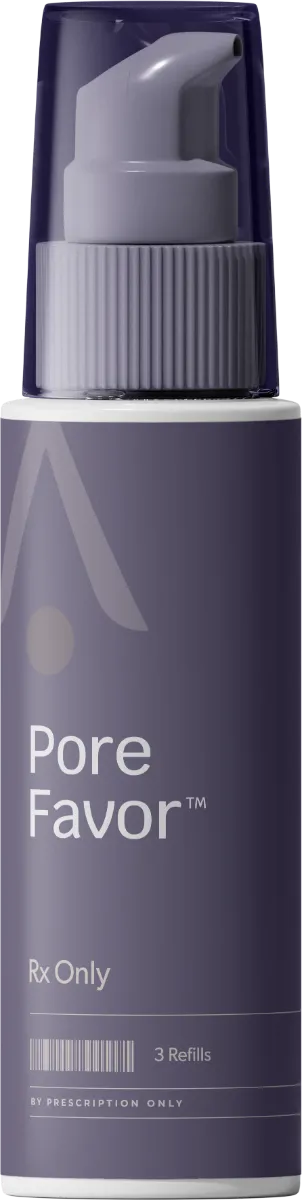
Pore Favor lists salicylic acid, zinc oxide, niacinamide, and urea. The public ingredient summary does not disclose individual concentrations. Use the prescribed formula and directions; zinc oxide in this cream does not establish a tested SPF. Review the current Pore Favor™ page and bring your existing skin-care products to the provider discussion.
Explore the complete series
- Salicylic Acid for Blackheads: How It Fits Into Skin Care
- Sebaceous Filaments vs. Blackheads: What Is the Difference?
- Salicylic Acid and Sensitive Skin: Avoiding an Irritation Cycle
- Niacinamide for Oily Skin and Visible Pores: What to Expect
- Urea in Facial Skin Care: Hydration, Texture, and Concentration
- Zinc Oxide in Acne Cream: Skin Support and Sunscreen Limits
- Salicylic Acid vs. Retinoids for Clogged Pores
- Building a Gentle Routine for Acne-Prone Skin
- Pore Favor Ingredients: Salicylic Acid, Zinc Oxide, Niacinamide, and Urea
- Dark spots after acne: marks and breakout prevention
Educational information; your prescription and clinician’s instructions guide individual care. Product details and linked sources checked September 15, 2026. Ingredient research does not establish identical results for a finished compounded formula. Photographs are illustrative and do not show treatment outcomes.