
Sebaceous filaments and blackheads can look similar, especially in a close-up view of the nose, but they have different roles. Sebaceous filaments are normal structures associated with oil flow. Blackheads are a form of acne involving a clogged follicle. Knowing which you are seeing can prevent unnecessary squeezing and overly aggressive treatment.
The aim of skin care is not to erase every visible opening. It is to manage actual acne, keep the skin comfortable, and make a routine sustainable. A face can be healthy while still showing pores, fine hairs, and small dots that become obvious under magnification.
What are sebaceous filaments?
Sebaceous filaments help guide sebum, the skin’s natural oil, through follicles to the surface. They may be particularly noticeable on oilier areas such as the nose and central face. Their presence is ordinary skin anatomy rather than a cleanliness problem.
The Cleveland Clinic’s explanation describes them as generally smaller, flatter, and lighter than blackheads. They can look gray, yellowish, or light brown. Appearance varies, so a photograph alone may not be enough to identify every dot confidently.
Even when their contents are removed, the underlying normal structure remains. That is why repeated extraction does not create a permanent pore-free result. It may instead leave the surrounding skin more irritated.
What are blackheads?
Blackheads are open comedones, a type of acne lesion. Material accumulates in a follicle and is visible at the open surface. The dark appearance does not mean the face is dirty, and harsh washing does not directly correct the tendency to develop comedones.
They may occur with whiteheads, inflamed pimples, or other acne lesions. If your main concern includes painful bumps or scarring, the plan should address that broader pattern. A pore-focused cosmetic routine may not be enough.
Some bumps and spots are neither blackheads nor sebaceous filaments. If the appearance is unusual, changing, painful, or difficult to identify, seek an assessment rather than repeatedly treating it as congestion.
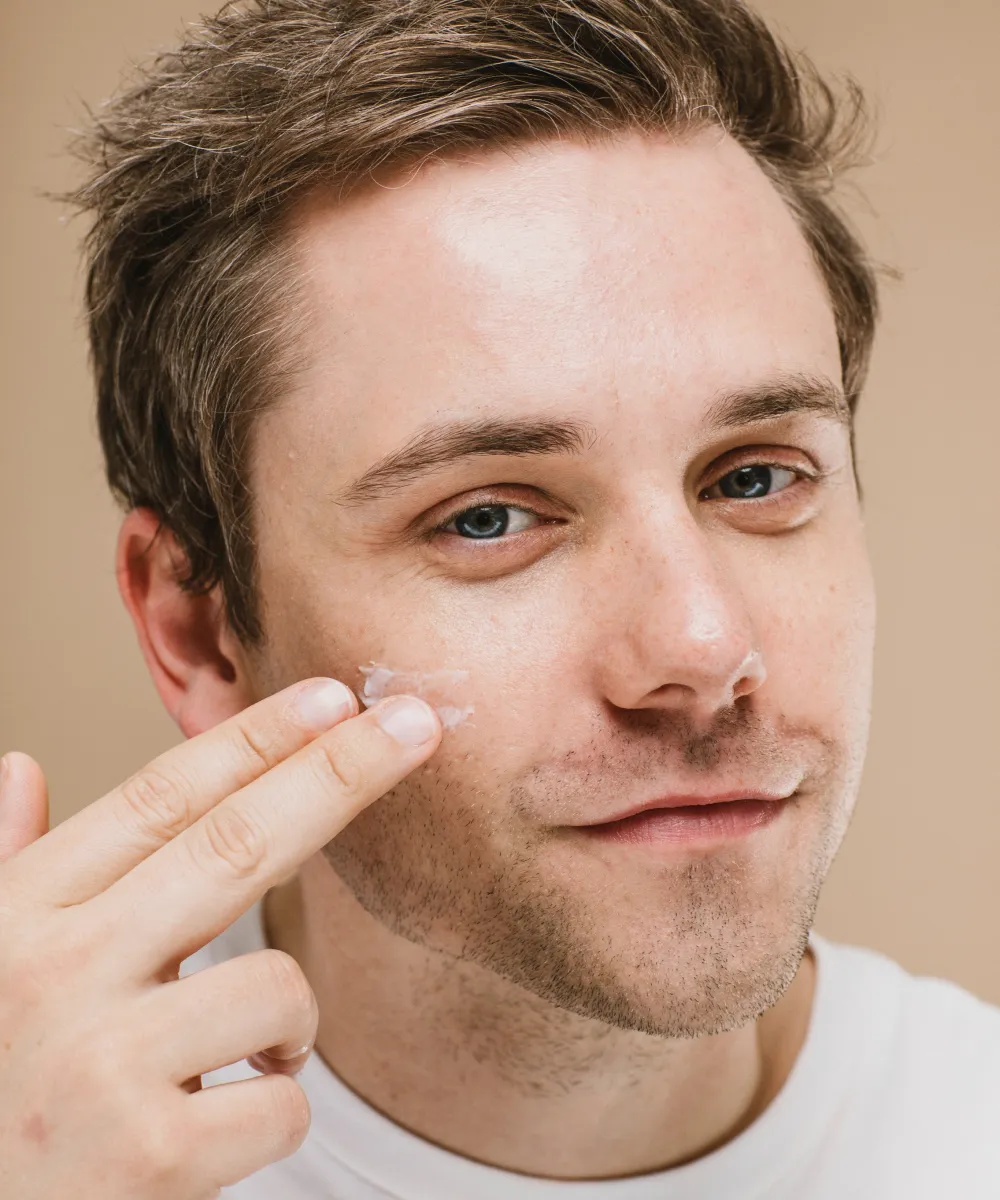
A practical comparison
| Feature | Sebaceous filaments | Blackheads |
|---|---|---|
| Basic role | Normal oil-associated structure | Acne lesion involving a clogged follicle |
| Typical appearance | Small, fairly uniform, often flat dots | More distinct dark plugs or bumps |
| Common concern | Visibility under close inspection | Recurring comedonal acne |
| Treatment goal | Avoid irritation; reduce unwanted prominence when practical | Manage acne and recurring blockage |
| Permanent removal | Not a realistic goal | Individual lesions may resolve, but acne can recur |
Use these patterns as general orientation. They do not replace an examination when the diagnosis is uncertain. Skin color, lighting, camera processing, and the presence of other lesions can all affect what you think you see.
Why magnification can change your expectations
A magnifying mirror highlights ordinary structures that are barely noticeable in everyday conversation. Phone cameras can sharpen texture or alter contrast. If you judge your skin only at that scale, normal anatomy can start to feel like an endless treatment failure.
Try assessing the face in ordinary light at a normal viewing distance. If you use progress photographs, keep the distance and settings consistent and turn off beauty filters. The goal is a fair comparison, not a competition with an edited image.
This is especially relevant after using a pore strip or extracting a filament. A temporary change in a close-up photograph may be dramatic, but it says little about whether the routine supports comfortable skin over the following weeks.
Why squeezing often becomes a cycle
Removing visible material can feel satisfying, but it does not change the normal function of a sebaceous filament. When it becomes noticeable again, it is easy to assume the first extraction was incomplete and repeat the process with more pressure.
That pressure can injure surrounding skin, contribute to inflammation, and leave marks. Repeated attempts may make the area more conspicuous than the original dots. The cycle then becomes focused on correcting the irritation caused by the attempted correction.
Do not use sharp tools or copy extraction techniques from videos. If a particular lesion requires treatment, a clinician can determine what it is and whether an office procedure is appropriate.

What a gentle routine can accomplish
The AAD’s pore guidance emphasizes gentle cleansing, avoiding irritation, and using suitable noncomedogenic products. These habits can support a more manageable appearance without promising to remove normal openings.
Keep cleansing practical. Remove sunscreen and makeup as needed, but do not repeatedly wash until the skin feels stripped. Use a moisturizer that fits your skin and the rest of the regimen. Oily skin can still become uncomfortable when too many exfoliating steps are combined.
Sun protection also belongs in ordinary care. A labeled sunscreen serves a separate role from an acne cream, and its texture should be comfortable enough to use consistently. If it seems to clog or irritate your skin, discuss the actual formula instead of abandoning protection entirely.
When salicylic acid may be considered
Salicylic acid has a role in acne care, including clogged pores, and appears in the AAD’s updated acne recommendations. It is not a means of permanently removing normal sebaceous filaments. The product type and directions matter as much as the ingredient name.
A facial cleanser, a leave-on preparation, and a high-strength treatment for another body area are different products. Do not substitute one for another or add several salicylic-acid products to accelerate the result.
The salicylic-acid blackhead guide explains the treatment role. If you already use a retinoid, ask how any additional acid fits the plan rather than creating a stack of exfoliants on your own.
What about retinoids?
Topical retinoids may be used to treat comedonal acne. They have a different evidence base and mechanism from salicylic acid, and they require attention to tolerance and individual suitability. A clinician can help decide whether they fit your acne pattern.
Do not use a retinoid merely because normal dots remain visible after cleansing. The benefit should relate to a defined concern, and the treatment should be manageable. Irritation can make skin texture and post-inflammatory marks more troublesome.
Read salicylic acid versus retinoids for a more detailed comparison. Pregnancy and other medical considerations can change which treatments are appropriate, so include them in the discussion before starting.
Where Pore Favor belongs in this distinction
Pore Favor combines salicylic acid, zinc oxide, niacinamide, and urea. Its public ingredient summary does not disclose individual strengths. Ask the provider what part of your concern the prescribed formula is intended to address.
If your face mainly has normal sebaceous filaments, clarify the realistic goal. If it also has acne, discuss how the product fits the overall acne plan and how progress will be assessed. A product name should not imply that every visible pore needs treatment.
The Pore Favor ingredient guide can help you review the formula. Remember that zinc oxide in an acne cream does not automatically establish a tested SPF.
Track the right changes
Count or describe actual acne lesions in a defined area instead of checking whether every filament remains invisible. Record tenderness, new inflamed bumps, and whether ordinary cleansing stays comfortable. These measures are more useful than the amount of material removed by a strip.
If appearance is the main concern, use comparable photographs at reasonable intervals. Keep other routine changes in the record. A new moisturizer, a different camera angle, or freshly applied makeup can affect how prominent pores appear.
At follow-up, ask whether the original diagnosis still fits and whether the treatment provides enough benefit to justify continuing. More exfoliation should not be the automatic response to normal anatomy becoming visible again.
When professional assessment helps
Seek advice for painful deep lesions, scarring, persistent acne, or a major effect on daily confidence. A new or changing spot, bleeding lesion, or unusual bump should not be repeatedly squeezed or treated as a blackhead without assessment.
Stop a newly added product that causes persistent burning, significant swelling, blistering, or a spreading rash. Severe allergic symptoms require urgent care. If irritation keeps recurring, a review of the complete routine may be more useful than searching for another pore-clearing ingredient.
Understanding the difference between filaments and blackheads changes the goal from emptying every pore to caring for the skin you actually have. Normal structures can remain visible while acne improves. That is a realistic and useful outcome.
Explore Pore Favor™
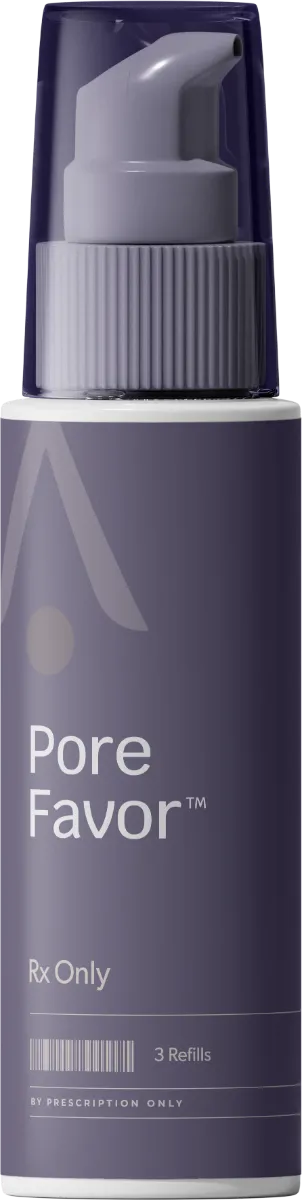
Pore Favor lists salicylic acid, zinc oxide, niacinamide, and urea. The public ingredient summary does not disclose individual concentrations. Use the prescribed formula and directions; zinc oxide in this cream does not establish a tested SPF. Review the current Pore Favor™ page and bring your existing skin-care products to the provider discussion.
Related reading
- Acne and Visible Pores: A Practical Treatment Guide
- Salicylic Acid for Blackheads: How It Fits Into Skin Care
- Niacinamide for Oily Skin and Visible Pores: What to Expect
- Building a Gentle Routine for Acne-Prone Skin
- Dark spots after acne: marks and breakout prevention
Educational information; your prescription and clinician’s instructions guide individual care. Product details and linked sources checked September 15, 2026. Ingredient research does not establish identical results for a finished compounded formula. Photographs are illustrative and do not show treatment outcomes.