Pore Favor is CoreAge Rx’s provider-guided formula containing salicylic acid, zinc oxide, niacinamide, and urea. The combination brings together an acne exfoliating ingredient with ingredients used for supporting skin-care functions. Understanding the product means looking at the complete formulation, the prescribed directions, and the evidence for each component without assuming every ingredient study tested Pore Favor itself.
The current public ingredient summary names the four actives but does not disclose their individual concentrations. Your prescribing provider and dispensing pharmacy should clarify the strengths, full formula, intended treatment area, and schedule for the preparation you receive.
The formula at a glance
| Ingredient listed | Relevant discussion | Limit to keep clear |
|---|---|---|
| Salicylic acid | Exfoliation and clogged-pore acne care | Product type and concentration affect use and tolerance. |
| Zinc oxide | Its role within the supplied skin-care formula | Presence alone does not establish a tested SPF. |
| Niacinamide | Supporting evidence for oil-related and pigmentation outcomes | Ingredient studies do not guarantee the same finished-formula result. |
| Urea | Hydration and texture effects that vary with concentration | A facial preparation is not interchangeable with a high-strength foot product. |
Use the table as a starting point for questions. It is not a set of independent promises that can be added together into a guaranteed treatment outcome. The ingredients are used within one preparation and one clinical plan.
Salicylic acid: the clogged-pore discussion
Salicylic acid is a beta-hydroxy acid used in acne care. The AAD’s updated acne guidelines include it as a conditional recommendation. It can be relevant to clogged pores, but the full acne pattern determines whether other treatment is needed.
A salicylic-acid cleanser, leave-on cream, professional peel, and wart product have different directions and exposure. Pore Favor should be used according to its prescription, not a schedule copied from another product carrying the same ingredient name.
If you already use salicylic acid elsewhere in the routine, ask whether that step should remain. The blackhead guide and sensitive-skin guide explain why duplicated exfoliation can make the plan harder to tolerate.

Zinc oxide: do not assume sunscreen protection
Zinc oxide is familiar from mineral sunscreens, but a finished product needs appropriate testing and labeling to establish sunscreen protection. Pore Favor’s public summary does not supply a tested SPF or broad-spectrum sunscreen claim.
Use a separate labeled sunscreen as directed. The AAD recommends broad-spectrum SPF 30 or higher, with other sun-protection habits. The cream’s color or the presence of zinc oxide cannot be used to calculate its protection.
Ask the provider what zinc oxide is intended to contribute to this particular formulation. The zinc oxide in acne cream guide separates topical-product claims from sunscreen and oral-supplement assumptions.
Niacinamide: a supporting ingredient with specific evidence
Niacinamide is a form of vitamin B3 used in topical products. A clinical study of a 2% niacinamide moisturizer found changes in some facial sebum measures, with results differing between the study groups. That does not establish identical oil-control effects for every niacinamide formula.
Pore Favor’s public summary does not disclose its niacinamide concentration. Do not describe it as the studied 2% moisturizer without confirmation. The complete combination also differs from a single-ingredient serum.
Ask whether a separate niacinamide product adds anything useful or merely duplicates a step. The oily-skin niacinamide guide explains why shine, oil production, and acne should be assessed separately.
Urea: concentration changes the role
Urea can support hydration and influence rough surface texture. The dermatology review describes its moisturizing and keratolytic properties, which vary with concentration and formulation. A facial cream containing urea should not be substituted with a high-strength product intended for thickened skin elsewhere.
Ask the pharmacy for the actual concentration and intended role in Pore Favor. Its presence does not guarantee that extra acids or scrubs will be comfortable. Supporting ingredients should not be treated as an automatic antidote to an overly aggressive routine.
The urea facial-care guide explains how to compare products and distinguish hydration from acne outcomes. Softer-feeling skin does not by itself show that comedones have cleared.
What the combination can reasonably be discussed for
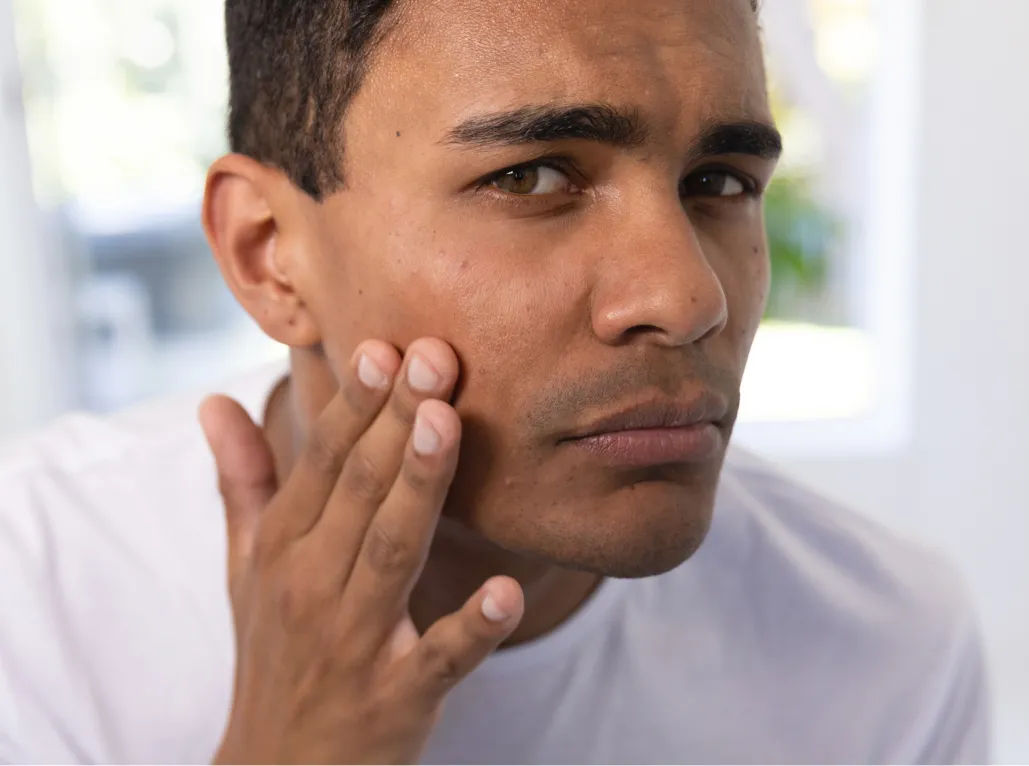
The product page presents Pore Favor around acne-prone, oily, congested, and rough-feeling skin. A clinician should connect that description to your actual findings. Normal pores, sebaceous filaments, blackheads, and inflamed acne are different concerns.
Ask which outcome the provider intends to assess: fewer comedones, fewer inflamed lesions, improved comfort, or another defined goal. A vague promise of perfect pores makes it difficult to judge whether treatment is useful.
For the broader picture, read acne and visible pores. If your main concern is uniform dots on the nose, sebaceous filaments versus blackheads can help frame the consultation.
Review the whole routine before starting
List cleansers, acid toners, retinoids, benzoyl peroxide, spot treatments, masks, and any pigmentation prescriptions. Include occasional use and the areas treated. This helps identify duplicated ingredients and exposures that could affect tolerance.
Ask which products Pore Favor replaces and which it accompanies. Confirm the moisturizer and sunscreen steps as well. Do not assume that a multi-ingredient prescription should simply be layered onto everything you already use.
The gentle acne routine guide provides a framework with clear jobs for each step. If a retinoid is involved, the salicylic-acid comparison explains why the combination needs an intentional plan.
Follow the dispensed directions
Use the prescribed amount, frequency, and application area. The public page describes a thin layer on clean, dry skin as directed, but your individual instructions are the reference. Resolve any apparent difference with the pharmacy or prescriber before guessing.
Avoid areas excluded by the label, including eyes and broken skin. Do not expand use to larger body areas or share the product with another person. Do not apply extra cream to catch up after a missed application unless specifically directed.
Keep the preparation as supplied. Mixing it with a serum, acid powder, or moisturizer changes how the product is used and makes the applied amount less clear.
Tolerance and medical history matter
Tell the provider about known salicylate or other ingredient allergies, eczema, rosacea, pregnancy, breastfeeding, and recent procedures. The complete formula and treatment area need review in those situations.
Stop a newly introduced product that causes persistent burning, marked swelling, blistering, or a spreading rash and seek advice. Severe facial swelling or breathing difficulty requires urgent medical care. Do not assume significant symptoms are a necessary purge or evidence that pores are clearing.
If irritation recurs, review the whole routine rather than adding more soothing actives. A simpler plan may make both the cause and the appropriate adjustment clearer.
Understand the compounded-product context
Compounded drugs are not FDA-approved. The FDA’s compounding questions and answers explains the distinction from approved products. The existence of a prescription does not mean the finished compounded formulation has undergone FDA premarket review for safety and effectiveness.
Ask which pharmacy prepares the cream and how to contact it. Follow the storage instructions and beyond-use date on the original container. Report unexpected changes in appearance, texture, smell, or dispensing rather than modifying the product yourself.
Review progress against the original goal
For the first follow-up, bring three pieces of information: the exact products used, the pattern of use, and the change in the concern that prompted treatment. If instructions were difficult to follow, say which part caused trouble. An inconvenient morning schedule, a product that pills under sunscreen, and a cream that causes burning need different solutions. This practical information helps the provider adjust the plan without assuming that every limited response reflects the wrong active ingredient. It also makes the decision about continuing more concrete than simply asking whether the face looks better overall.
Track acne lesions, comfort, and visible shine separately. Use comparable photographs if helpful, and record other changes in the routine. A more moisturized surface and fewer new pimples are different outcomes that may not occur together.
Agree on a follow-up point and a decision: continue, adjust, or reconsider the approach. Persistent painful acne, scarring, or uncertain lesions deserves a broader assessment. Pore Favor is easiest to evaluate when its ingredients have clear roles, its directions are understood, and the intended result is realistic.
Explore Pore Favor™
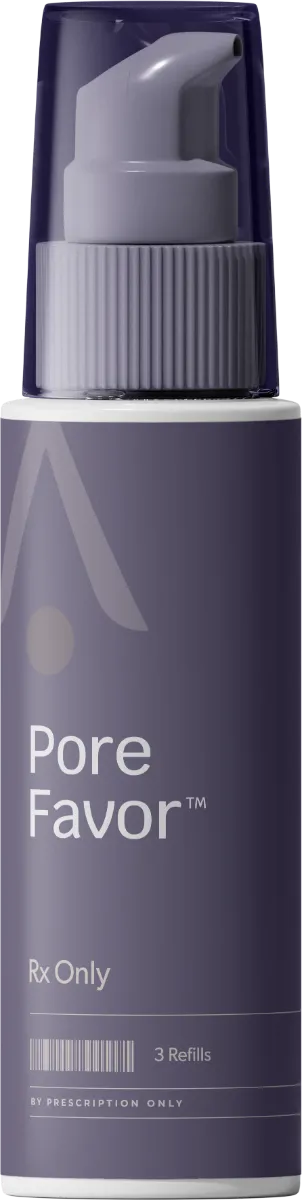
Pore Favor lists salicylic acid, zinc oxide, niacinamide, and urea. The public ingredient summary does not disclose individual concentrations. Use the prescribed formula and directions; zinc oxide in this cream does not establish a tested SPF. Review the current Pore Favor™ page and bring your existing skin-care products to the provider discussion.
Related reading
- Acne and Visible Pores: A Practical Treatment Guide
- Salicylic Acid for Blackheads: How It Fits Into Skin Care
- Urea in Facial Skin Care: Hydration, Texture, and Concentration
- Zinc Oxide in Acne Cream: Skin Support and Sunscreen Limits
- Dark spots after acne: marks and breakout prevention
Educational information; your prescription and clinician’s instructions guide individual care. Product details and linked sources checked September 15, 2026. Ingredient research does not establish identical results for a finished compounded formula. Photographs are illustrative and do not show treatment outcomes.