An NAD+ nasal spray prescription should identify the preparation and explain how the supplied pump is used. The number of sprays, amount delivered by each actuation, frequency, storage conditions, and allowed use period need to fit together. A generic instruction found online cannot establish those details for every compounded product.
This guide explains how to read and clarify the directions. It is not a dosing schedule or a technique demonstration for a particular pump. The pharmacy’s instructions for the actual preparation, together with the clinician’s prescription, should govern individual use.
Confirm identity before interpreting the numbers
Start with the patient’s name, medication name, dispensing pharmacy, and prescription information. Check that the container and accompanying instructions refer to the same product. Keep the original label available throughout the course.
NAD+, NADH, NR, and NMN are related terms but are not interchangeable ingredient names. A product described broadly as an “NAD booster” may contain something different from the nasal preparation prescribed to you.
The main nasal guide explains the category. At the point of use, the actual label matters more than the general marketing description.
Distinguish concentration from the amount per actuation
Concentration describes how much drug is present in a volume of liquid. The amount delivered by one spray depends on both that concentration and the volume metered by the pump. A concentration alone does not establish the amount in each actuation.
Ask whether the label identifies the delivered amount per spray and how that information was determined for the supplied device. If the directions use a spray count, the count must remain connected to the actual product.
Do not infer equivalence between two bottles because their concentrations look similar. Their pumps or other formulation details may differ.

Understand what “one spray” means for this device
A pump may have instructions concerning initial preparation, priming, or use after a period without administration. Those instructions are device-specific. Ask the pharmacy to show or explain what a normal actuation should look like and how to recognize a problem.
Do not count a partial or uncertain actuation as though its delivered amount were known. If the device seems inconsistent, describe the issue to the pharmacy before taking an estimated replacement amount.
A familiar nasal-medicine routine should not be copied automatically. The fact that another spray needed a certain preparation step does not establish the instructions for NAD+.
Read the prescribed pattern in full
Directions should make the amount, timing, and any location-specific instruction clear. Ambiguity can arise if a spray count does not explain whether it refers to the total administration or another part of the routine. Ask the dispensing team to resolve that wording in plain language.
Frequency also matters. An instruction about the amount per administration is not the same as an instruction about the total daily amount. The patient should be able to describe both without guessing.
If a website gives a general example that differs from the dispensed prescription, do not combine the two. Obtain confirmation of the individualized directions before use.
Use a check-back conversation
A useful teaching process lets the patient explain the routine back to the pharmacist or clinician while holding the actual container. Identify the preparation, describe the prescribed schedule, and explain the device steps as taught.
This can reveal misunderstandings that remain hidden when someone simply asks, “Do you understand?” It is especially helpful when a label uses abbreviations or several measurement terms.
Request larger print, translated information, or another accessible format if needed. Clear directions should fit the person’s vision, language, dexterity, and ability to manage the routine reliably.
Clarify cleaning and storage separately
The device may need a specific cleaning or maintenance process, while the medicine has its own storage requirements. Ask how each is handled and which parts should remain dry or protected, according to the supplied instructions.
Do not add water, disinfectant, or another substance to the medicine unless explicitly directed. Do not transfer it into a different bottle to make cleaning easier. Changes to the container can affect delivery and identification.
The storage and hygiene guide organizes these questions. It does not replace the pump’s actual instructions or establish a generic cleaning recipe.

Understand beyond-use and in-use limits
A compounded preparation has a pharmacy-assigned beyond-use date under specified conditions. The pharmacy may also give a shorter period after opening or another event. Ask how those limits apply and how to record the relevant date.
Do not extend the period because liquid remains or the product appears unchanged. Appearance alone cannot establish retained potency or appropriate quality. A refill should be planned around the allowed use period and the clinical plan.
The FDA compounding overview explains why the preparation is distinct from an FDA-approved finished product with standardized labeling. Product-specific directions are therefore central to its evaluation.
A changed pump or refill needs a new comparison
At each refill, compare the concentration, delivered amount, device, prescribed pattern, and handling instructions. A familiar ingredient name does not guarantee that every other detail is the same.
If a new pump feels different, ask whether it meters the same volume and whether the instructions changed. Do not assume that a longer press or an extra actuation compensates for a difference in feel.
Keep outdated reminders separate from the current prescription. Clear version control in an ordinary medication routine can prevent an old instruction from being applied to a new preparation.
Resolve uncertain delivery without guessing
A blocked pump, a leak, or a spray that misses its intended use can make the administered amount uncertain. The appropriate response depends on the device and circumstances. Contact the pharmacy for guidance rather than estimating an additional amount.
Describe what happened in observable terms: whether liquid leaked, whether the pump moved normally, and whether the issue recurs. Avoid trying to diagnose the mechanical problem by altering the device.
If the product is visibly damaged or unexpectedly changed, prevent further use until the dispensing team has assessed it. Keep relevant packaging and label information available.
Discuss congestion and other nasal products
Before starting, tell the clinician about congestion, recurrent bleeding, chronic nasal symptoms, recent procedures, and other nasal medicines. These circumstances may affect use or require a different assessment.
Do not create a personal workaround by increasing the spray count during congestion or combining products in one container. Ask how the prescribed routine should be managed when nasal symptoms change.
The side-effects article explains how to describe local irritation and generalized symptoms. Discomfort should not be used as confirmation that the desired amount reached a target tissue.
Ask about missed use and interruptions in advance
A written plan should explain whom to contact if an administration is missed, the medicine is unavailable, or a travel schedule disrupts the routine. A general article cannot determine the correct catch-up instruction for an individual prescription.
Do not automatically double an amount or combine planned administrations. If you are unsure whether the spray was already used, say so. A simple record of actual use can help reduce uncertainty.
The same approach applies after an illness or a pause recommended by the clinician. Confirm the current plan rather than restarting from an old reminder without review.
Use a final label checklist
| Question | Clear answer needed |
|---|---|
| What is supplied? | Ingredient, formulation, concentration, and pharmacy |
| What does the pump deliver? | Product-specific amount per actuation and device instructions |
| What is prescribed? | Amount and schedule for the individual |
| How is it handled? | Cleaning, storage, beyond-use date, and opening-related limits |
| What if something goes wrong? | Contact and instructions for uncertain delivery or symptoms |
Keep the answers with the medicine. The purpose is a repeatable routine that can be followed without interpreting a marketing page at each use.
Research directions are not consumer instructions
A study protocol may use a particular amount or device under selected conditions. The registered combination trial is a research plan, not a prescription for a reader to reproduce. Its inclusion of other interventions also does not establish a recommended medication combination.
The brain-delivery evidence guide explains why experimental methods cannot be translated into a personal attempt to increase absorption. A higher spray count does not establish a better outcome.
Before using the preparation, make sure the actual label, pump instructions, and clinical plan agree. If any essential detail remains uncertain, clarification from the dispensing team is the next step.
Explore NAD+ Nasal
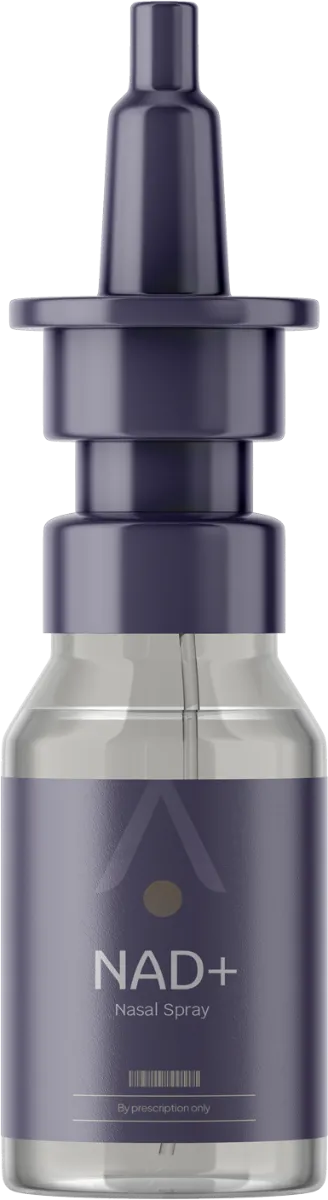
CoreAge Rx lists NAD+ Nasal as a provider-guided compounded nasal spray. The pharmacy’s formulation and pump instructions determine how it is used. Research on oral precursors, IV infusions, or animals does not establish identical benefits from this spray. Review the current NAD+ Nasal page and bring a complete medication and supplement list to the provider discussion.
Related reading
- NAD+ Nasal Spray: How to Understand the Evidence
- NAD+ Nasal Spray Side Effects: Irritation, Symptoms, and Follow-Up
- NAD+ Nasal Spray Results: Setting Expectations and Reviewing Progress
- NAD+ injections versus oral NMN and NR
Educational information; your prescription and clinician’s instructions guide individual care. Product details and linked sources checked September 15, 2026. Studies of another preparation or delivery route do not establish identical results for a finished compounded product. Photographs are illustrative and do not show treatment outcomes.