NAD+ nasal spray can raise questions about irritation, headache, an unusual taste, or other symptoms around use. Reliable side-effect percentages require studies of the relevant preparation and route. For compounded nasal NAD+, the human clinical evidence is limited, so a product’s list of possible reactions should not be mistaken for a well-established incidence table.
This guide explains how to describe symptoms, recognize situations needing prompt care, and review the device and formulation with the treating team. It does not assume that every symptom after a spray is caused by NAD+ or that a familiar-sounding symptom is automatically harmless.
Start with the actual product and timing
Identify the dispensed preparation, concentration if listed, pump, prescribed schedule, and when symptoms started. Note whether the issue began with the first use, after several administrations, or after a refill. Include changes in other nasal products or medicines.
This information helps the clinician distinguish a recurring pattern from a coincidental symptom. It also helps the pharmacy determine whether a device or formulation question needs review. Keep the label available rather than relying on the broad description “NAD spray.”
The prescription-label article covers the details that should match the supplied product and instructions.
Describe local symptoms precisely
Local symptoms affect the nose or nearby area. Describe burning, soreness, dryness, bleeding, discharge, or an unusual sensation in ordinary terms. Explain how long it lasts, whether it is getting better, and whether it changes with repeated use.
A sensation that is brief and mild is different from persistent pain or recurrent bleeding. The individual context matters, including pre-existing nasal problems. The treating team can advise whether use should be paused or the preparation reviewed.
Do not use burning as a measure of potency or absorption. A stronger sensation does not establish better delivery or a more useful effect.

The full formulation can matter
A compounded spray contains the active ingredient within a liquid preparation delivered by a device. Other ingredients, concentration, and handling can be relevant to tolerance. A patient may not know every component from the product’s headline description.
Ask the pharmacy for the full ingredient information when a sensitivity or allergy is a concern. Describe previous reactions to medicines, preservatives, or other products without assuming the same mechanism applies here.
The FDA compounding overview explains that a compounded medicine is not an FDA-approved finished product. Its formulation and directions should be discussed as the actual preparation supplied rather than as a universal nasal NAD+ formula.
Existing nasal conditions belong in the history
Congestion, allergies, recurrent nosebleeds, chronic dryness, injury, or a recent nasal procedure can affect the use of a spray. Tell the clinician about these before starting and about any change during treatment.
Also list other nasal medicines. The question is not simply whether both products use the nose, but how the complete routine should be managed. Do not create a spacing schedule or discontinue another prescribed nasal medicine without advice.
If congestion makes delivery uncertain, ask what to do. Taking extra sprays to compensate can change the amount without resolving the underlying problem.
General symptoms need separate consideration
A headache, dizziness, nausea, flushing, or another symptom outside the nose should be described separately from local irritation. Note the timing, severity, duration, and any associated symptoms. These observations help the clinician assess what action is appropriate.
The public product page lists possible reactions, but that list does not establish how often they occur with every prescription. It also does not prove that a symptom is expected for a particular person.
Avoid assuming that all symptoms are an adjustment period or a beneficial “detox” process. A useful assessment starts with the symptom rather than a reassuring explanation selected in advance.

Recognize situations that need urgent care
Trouble breathing, swelling affecting the mouth or throat, fainting, severe chest pain, or a severe generalized reaction requires urgent medical attention. Significant ongoing bleeding or a sudden neurological change also needs prompt assessment according to severity.
Do not deliberately repeat the spray to test whether a serious symptom happens again. If urgent care is needed, bring the medication information when practical, without delaying treatment to collect it.
For less severe but persistent or worsening symptoms, contact the treating clinician or pharmacy before changing the plan. They can advise on the next administration and whether examination or product review is needed.
Limited studies cannot establish rare-event rates
The animal nasal NAD+ research was conducted in a disease model under experimental conditions. It is not a human safety study of routine nasal use. Its findings should not be translated into a statement that long-term use is safe for every patient.
The registered human combination pilot includes nasal NAD+ with other interventions and had no posted results in the reviewed record. A registration is not an adverse-event analysis, and a small combination study would have limits in identifying uncommon or ingredient-specific harms.
These evidence gaps are reasons to make monitoring and follow-up clear. They should not be filled with invented percentages or certainty.
Compare a refill with the previous preparation
A familiar product name can hide changes in concentration, ingredients, pump, or directions. If symptoms begin after a refill, review the new label and packaging with the pharmacy. The change is relevant information, not proof that the new batch is responsible.
Keep the current instructions easy to distinguish from old reminders. If the pharmacy confirms a change, ask how it affects use and what to do with the previous supply. Do not combine leftover liquids from different containers.
The storage guide explains why product-specific handling and use dates should also be checked at each delivery.
Device problems can create uncertainty about use
A pump that leaks, clogs, or delivers an inconsistent spray should be discussed with the pharmacy. Ask how to identify a normal actuation and what troubleshooting is permitted for the supplied device. Do not substitute a cleaning method from another product unless instructed.
Avoid transferring the liquid into a different bottle or enlarging an opening to change delivery. Those actions can affect the amount administered, identification, and hygiene. Adding liquid to reduce irritation can also change the concentration and preparation.
If delivery is uncertain, do not take an estimated replacement amount. Explain what happened and obtain product-specific advice.
Keep a short reaction record
| Detail | Information to record |
|---|---|
| Product | Name, pharmacy, prescription, and batch details if available |
| Use | Date, time, prescribed schedule, and device issue if any |
| Local symptom | Location, appearance, discomfort, bleeding, or discharge |
| General symptom | Description, duration, severity, and associated features |
| Context | Other medicines, nasal illness, or recent changes |
| Action | Advice received and whether symptoms resolved |
This record supports clinical review. It should not delay urgent care or become a substitute for an examination when one is needed.
If more than one care team is involved, identify which clinician is coordinating the assessment and share the same medication list with each. Keep the advice received with the symptom record so a later appointment can distinguish the original event from changes made afterward. This helps prevent conflicting instructions from becoming part of the problem.
Keep storage and hygiene within the instructions
Follow the pharmacy’s requirements for storage, cleaning, and the allowed period after opening. Keep the original label and prevent sharing of the device. A nasal preparation should not be used through another route.
The MedlinePlus storage guidance explains why environmental conditions and original containers matter for medicines generally. It does not establish a specific refrigeration or stability rule for every compounded NAD+ spray.
If the product experienced an uncertain temperature, visible change, or damaged seal, contact the pharmacy before use. Putting a bottle back into storage does not necessarily reverse a prior exposure.
Review the treatment’s value as well as its tolerance
At follow-up, discuss the intended benefit, the evidence for it, the observed change, and any unwanted effects. A product can be easy to use without producing a meaningful benefit, or a reported benefit may coexist with a symptom that requires reassessment.
The results article offers a way to make that discussion concrete. Continuing should be a clinical decision, not an automatic response to a refill schedule.
A clear plan identifies whom to contact, what information to provide, and how the next step will be decided. That is especially useful when the clinical evidence for a preparation is still developing.
Explore NAD+ Nasal
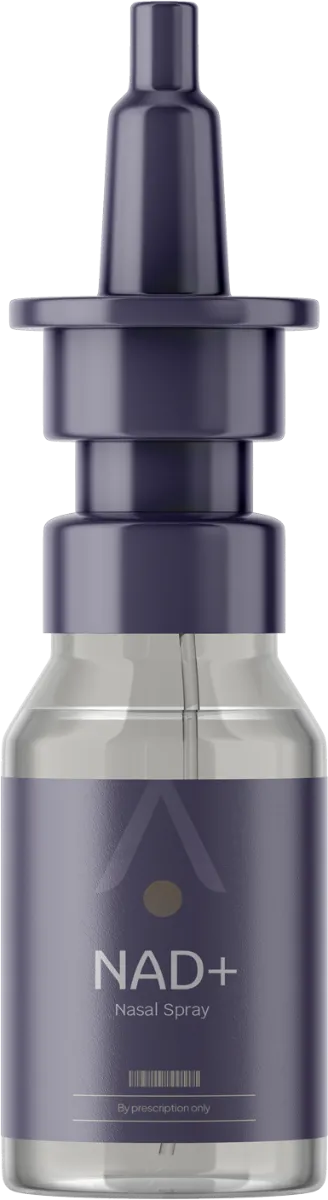
CoreAge Rx lists NAD+ Nasal as a provider-guided compounded nasal spray. The pharmacy’s formulation and pump instructions determine how it is used. Research on oral precursors, IV infusions, or animals does not establish identical benefits from this spray. Review the current NAD+ Nasal page and bring a complete medication and supplement list to the provider discussion.
Related reading
- NAD+ Nasal Spray: How to Understand the Evidence
- Understanding an NAD+ Nasal Spray Prescription and Pump Label
- CoreAge Rx NAD+ Nasal: A Product and Evidence Guide
- NAD+ injections versus oral NMN and NR
Educational information; your prescription and clinician’s instructions guide individual care. Product details and linked sources checked September 15, 2026. Studies of another preparation or delivery route do not establish identical results for a finished compounded product. Photographs are illustrative and do not show treatment outcomes.