
A nasal spray is easy to carry, but its container is part of the medication system. For prescribed NAD+, storage conditions, the pump, and the pharmacy’s beyond-use date belong together. Moving the liquid into a travel bottle or borrowing instructions from a different spray can break that connection.
The useful starting point is a written handling plan for the exact preparation dispensed. This guide explains what that plan should cover at home, during a trip, and when something unexpected happens. It does not establish a universal temperature range or shelf life for compounded NAD+ nasal products.
Get the storage instructions before delivery
Ask the dispensing pharmacy how the medicine will arrive and where it should be placed immediately afterward. Clarify whether refrigeration is required, what temperature range applies, and whether the product needs protection from light. Different formulations can have different requirements even when the ingredient name matches.
Confirm what to do if the parcel arrives after hours. A delivery photograph or tracking notice cannot establish the temperature inside a package. If the pharmacy provides shipment indicators or acceptance criteria, learn how to interpret them before the delivery day.
Keep the pharmacy’s contact details somewhere accessible without opening an account or locating an old email. Questions about a specific shipment are easier to resolve when the prescription and order information are available.
Find an appropriate place at home
Choose storage according to the label, with reliable access and protection from children or anyone for whom the medication was not prescribed. The MedlinePlus medicine-storage guide explains why heat and moisture can be problematic for medicines generally. It does not provide stability data for a particular NAD+ formula.
A bathroom may be convenient, but convenience alone does not make it suitable. A windowsill, parked car, or bag left near a heater can also expose a preparation to conditions outside its instructions.
If refrigeration is required, ask the pharmacy about placement and protection from freezing. Do not assume that the coldest location is best. Use the dispensed container and avoid relocating the liquid to a household container.

Understand the two dates that may matter
The beyond-use date is assigned to the compounded preparation for specified conditions. There may also be an in-use limit related to opening, first use, or another event. Ask the pharmacy whether both apply and which date controls disposal in your situation.
Record an opening date if instructed. A small reminder can help, but do not cover the prescription, lot information, or storage directions with a sticker. Keep the original label legible.
The amount remaining in the bottle does not extend its allowed use period. Nor does a familiar smell or clear appearance prove continued potency or acceptable quality. The FDA overview of compounding provides context for why these preparations need product-specific instructions.
Keep hygiene tied to the supplied device
Ask how the nozzle should be cleaned, whether any parts are removable, and how the cap should be handled. Follow the manufacturer’s or pharmacy’s instructions for that exact pump. Some devices may have steps that are inappropriate for another design.
Do not improvise a cleaning solution or add water to the medicine. A method that cleans an external surface is not automatically suitable for internal pump components or the formulation itself.
Keep the spray for the named patient. Sharing introduces uncertainty about handling and also gives another person a prescription that was not written for them. Store it so that similar-looking bottles are easy to distinguish.
Plan for a blocked or inconsistent pump
A pump problem is a delivery problem, not a reason to estimate a replacement amount. Describe whether the pump fails to move, leaks, produces an unusual spray pattern, or appears damaged. The pharmacy can assess whether the instructions include an appropriate remedy.
Do not force a sharp object into the nozzle or transfer the contents to another atomizer. The new setup would not have the same verified delivery characteristics simply because it produces a mist.
If the amount administered is uncertain, obtain product-specific advice. The prescription and pump-label guide explains why concentration and spray count must stay connected to the supplied device.

Build a travel plan around the itinerary
Consider the whole journey: travel to the airport, security, flight delays, ground transport, and the destination. A short flight can still involve many hours away from usual storage. Ask the pharmacy how to maintain the specified conditions through that period.
The CDC travel-medicine guidance recommends preparing medication supplies and documentation in advance. For international travel, check the destination’s rules for the actual prescription through official authorities; a U.S. prescription does not settle every country’s requirements.
Carry the medication in its labeled container with relevant documentation. Decide in advance how you will reach the pharmacy or clinician from another time zone, especially if the product needs replacement or instructions become unclear.
Use temperature protection only as instructed
If the preparation requires cold storage, ask which transport arrangement is appropriate and how long it is expected to maintain the specified conditions. A generic insulated pouch is not evidence that the medicine stayed within range.
Avoid direct contact with frozen packs unless the pharmacy specifically approves the arrangement. Protecting a medicine from heat should not create a freezing exposure. Do not test the product’s tolerance by repeatedly chilling and warming it.
At the destination, assess the actual storage location. A hotel minibar may not offer reliable temperature control, and a room may become warmer while unoccupied. Ask about a suitable alternative before relying on an uncertain setup.
Handle delays and temperature excursions methodically
If storage conditions may have been exceeded, separate the medicine from the active routine while seeking advice. Note the approximate duration, location, and temperatures if known. Distinguish measured information from estimates.
Give the pharmacy the product name, prescription details, beyond-use date, and relevant packaging information. The decision may depend on formulation-specific stability information that a general website cannot supply.
Do not assume that putting the bottle back into the recommended environment reverses an earlier exposure. Equally, a delay does not prove the preparation is unusable without assessment. The dispensing team should make that determination from the available facts.
Anticipate interruptions without changing the prescription
Travel can disrupt routines through time changes, illness, or a lost bag. Before departure, ask how missed administrations and scheduling questions should be handled for your prescription. Write down the answer in plain language.
Do not combine administrations or add extra sprays to make up for a gap unless the clinician specifically directs it. If the medication is lost, contact the original care team rather than substituting a different nasal product with a similar name.
Keep a simple record of actual use during an irregular schedule. This can prevent confusion between the home time zone and local time without inventing a new dosing pattern.
Separate nasal symptoms from storage questions
Congestion, irritation, or bleeding may arise during travel for several reasons. Report symptoms and their timing rather than assuming that the medication became contaminated or that the route is simply uncomfortable.
At the same time, mention any storage exposure or device problem that occurred. The clinician and pharmacy may need to assess different parts of the situation together. A photograph of the label can help communicate the preparation accurately through a secure channel.
The nasal side-effects guide covers symptom descriptions and follow-up. Severe allergic symptoms or sudden serious illness require prompt medical attention, without waiting for a storage investigation to finish.
Keep a compact handling record
| Item | What to record |
|---|---|
| Product | Exact name, concentration, pharmacy, and prescription identifier |
| Storage | Labeled conditions and any pharmacy-specific transport advice |
| Dates | Beyond-use date and opening-related limit if applicable |
| Device | Cleaning, priming, and troubleshooting instructions supplied |
| Contingencies | Contact details and directions for interruptions or uncertain delivery |
This record is most useful when it answers questions that would otherwise require guessing. Review it with each refill because a new formulation, pump, or label can change the instructions.
Arrange disposal and the next refill
Ask how to dispose of the preparation and container when the allowed use period ends or the pharmacy determines it should be replaced. Do not keep an old bottle as an emergency substitute after its permitted use period.
Plan refills around the clinical review as well as travel. An upcoming trip should not automatically commit someone to another course before the benefit and tolerability have been discussed.
Good handling supports reliable use of the prescribed product. It does not establish that nasal NAD+ improves energy, cognition, or aging outcomes. Those separate questions belong in the main evidence guide and in a review of the individual’s goals with the treating clinician.
Explore NAD+ Nasal
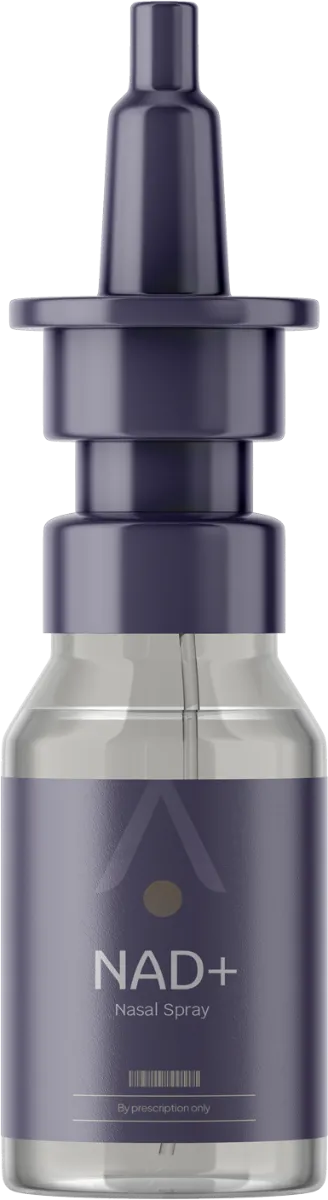
CoreAge Rx lists NAD+ Nasal as a provider-guided compounded nasal spray. The pharmacy’s formulation and pump instructions determine how it is used. Research on oral precursors, IV infusions, or animals does not establish identical benefits from this spray. Review the current NAD+ Nasal page and bring a complete medication and supplement list to the provider discussion.
Related reading
- NAD+ Nasal Spray: How to Understand the Evidence
- NAD+ Nasal Spray for Focus and Brain Fog: A Practical Evidence Review
- CoreAge Rx NAD+ Nasal: A Product and Evidence Guide
- NAD+ injections versus oral NMN and NR
Educational information; your prescription and clinician’s instructions guide individual care. Product details and linked sources checked September 15, 2026. Studies of another preparation or delivery route do not establish identical results for a finished compounded product. Photographs are illustrative and do not show treatment outcomes.