
There is no well-established timetable that tells an adult when prescribed NAD+ nasal spray will improve energy, concentration, or healthy-aging outcomes. A report of feeling different after an administration is not the same as a demonstrated, lasting clinical benefit.
That uncertainty makes a review plan especially useful. Before starting, define the problem, choose an observable outcome, and agree on when the clinician will reassess the decision. A thoughtful record can make that conversation more informative without turning everyday life into a continuous experiment.
Separate delivery, biological response, and benefit
A medicine entering the nose, a molecule appearing in a sample, and a person functioning better are different events. Each needs its own evidence. A delivery claim cannot supply a timeline for memory, fatigue, or long-term health.
A biomarker can also change without producing a meaningful improvement. For example, a laboratory result might show an alteration in NAD-related metabolism while leaving daily concentration unchanged. The interpretation depends on what was measured, where, and under which conditions.
The brain-delivery review explains the gap between a proposed route and proven human outcomes. That gap should remain visible when someone describes a spray as fast acting.
Know what the human research currently offers
A registered pilot study includes intranasal NAD+ in a broader combination of medications and lifestyle measures. The reviewed record describes an estimated 30 participants and a 90-day intervention, with no results posted in the record checked for this article.
A planned study duration is not an established time to benefit. Even eventual improvement in a combination study would need careful interpretation because the contribution of the nasal preparation could not simply be separated from the other interventions.
The record is useful evidence that the question is being investigated. It is not evidence that every reader should use the same combination or expect a result by day 90.

Do not borrow another product’s timetable
Oral NR and NMN trials, intravenous NAD+ studies, and animal nasal experiments investigate different interventions. Their schedules do not establish how quickly a compounded human nasal preparation works.
The 2019 IV pilot, for instance, examined metabolite changes during a six-hour infusion in a small group. It did not demonstrate a durable energy or cognition benefit that can be assigned to a nasal spray.
Likewise, weeks spent taking an oral precursor are not a validated minimum course for nasal NAD+. The route comparison can help distinguish convenience and administration from demonstrated effectiveness.
Define the starting problem precisely
“More energy” can refer to less sleepiness, less physical exhaustion, improved motivation, or better endurance. These experiences may have different causes and call for different assessments. Describe when the problem occurs and what it prevents you from doing.
For concentration, an example might be losing track during a familiar task or taking substantially longer to complete routine work. For fatigue, describe whether it follows activity, persists after rest, or appears alongside another symptom.
The MedlinePlus fatigue overview explains why persistent fatigue deserves evaluation. A new or worsening symptom should not automatically become a reason to wait longer for a supplement or prescription to work.
Choose one primary everyday outcome
Pick an outcome that matters and can be described consistently. Examples include completing a usual afternoon task with fewer interruptions or maintaining a familiar activity within a clinician-approved plan. Avoid using a broad promise such as “cellular rejuvenation” as the only goal.
Decide what change would feel worthwhile before looking for it. This does not require a rigid numerical threshold, but it should be more specific than “something happened.” Also identify what would count as no meaningful improvement.
A second outcome may be useful, but a long list increases the chance that ordinary variation will look like success somewhere. Keep the main question clear enough to revisit at the follow-up appointment.
Establish a reasonable baseline
A brief record before treatment can show whether the symptom already fluctuates. Note the chosen outcome alongside sleep, illness, workload, or other major influences. Use a level of detail you can maintain without becoming preoccupied with every sensation.
If someone starts treatment on their worst day of the month, a later improvement may partly reflect returning toward their usual state. A baseline helps explain this possibility without dismissing the person’s experience.
The clinician can decide whether additional evaluation should come first. A baseline diary is an aid to care, not a substitute for assessment of substantial fatigue, progressive cognitive changes, or another concerning presentation.

Track use and tolerability together
Record whether the prescribed routine was followed and note interruptions, device problems, or uncertainty about an administration. Without that information, a review may confuse inconsistent delivery with an ineffective treatment or attribute unrelated symptoms to the wrong event.
Include local nasal discomfort and generalized symptoms. Benefit and burden belong in the same decision. An apparent improvement that comes with recurring troublesome symptoms may not represent a worthwhile overall result.
The side-effects article offers a structure for reporting symptoms. Do not increase the amount to force a clearer response or use discomfort as evidence of absorption.
Keep major confounders visible
Starting a new sleep schedule, changing another medicine, recovering from an infection, and beginning exercise at the same time can all complicate attribution. Necessary care should continue, but record important changes so the clinician can interpret the sequence.
If several interventions begin together, a better week does not identify which one caused the change. This is the same interpretive problem that applies to multi-intervention research.
A diary cannot remove every source of bias. Its value is making the uncertainty explicit and helping the care team avoid an overly confident explanation based on timing alone.
Treat immediate sensations cautiously
A taste, nasal sensation, or brief change in alertness is an observation. It does not prove that brain NAD+ rose or that a long-term outcome will improve. Expectation, routine, and the surrounding circumstances can influence how an experience feels.
Record the event without turning it into a biological diagnosis. If the sensation is uncomfortable or recurrent, discuss it through the symptom plan rather than interpreting it as a desirable sign.
There is also no requirement to feel something after every administration for a medicine to have an effect. Conversely, feeling nothing does not justify taking more than prescribed.
Review patterns instead of the best day
At follow-up, compare the overall pattern with baseline. Ask whether the improvement occurred repeatedly, whether it was large enough to matter, and whether it translated into the activity chosen at the start.
For example, a single unusually productive afternoon is less informative than a sustained change across ordinary workdays. Consider whether those days also involved better sleep, a lighter workload, or another treatment adjustment.
If results are mixed, describe them as mixed. The record should not be edited to make a purchase or treatment decision look successful. Uncertain information can still support a sensible reassessment.
Decide how laboratory tests would change care
Before ordering an NAD-related test, ask what sample it uses, how the result is interpreted, and whether any validated treatment target applies to this setting. A commercial reference interval is not automatically a proven target for better health.
The NAD biomarker guide discusses why measurements in different tissues and assays are not interchangeable. A blood result does not establish what happened in the brain.
Testing is most useful when the clinician can explain how a result would alter a decision. Repeated measurements that have no defined clinical consequence can add cost and uncertainty without answering whether daily function improved.
Set a review point and a decision framework
Agree on a follow-up interval appropriate to the individual prescription and clinical situation. A general article cannot assign a universal trial length. Know how to contact the care team sooner if symptoms or concerns arise.
At the review, consider benefit, adverse effects, cost, handling demands, and remaining uncertainty. Continuing, changing the plan, investigating another cause, or stopping under clinical guidance are all decisions that should follow the evidence available for that person.
Avoid an open-ended sequence in which the expected result is always moved further into the future. The purpose of a review point is to make a decision possible.
Bring a concise summary to the appointment
A useful summary contains the original concern, the baseline pattern, actual use, meaningful changes, adverse symptoms, and major changes in other care. Add the question you most want answered next.
The National Institute on Aging’s cognitive-health guidance places thinking and memory within a broader health context. The healthy-aging evidence article likewise considers function, prevention, and the limits of biomarker claims.
A credible result is one that remains meaningful after those broader influences and uncertainties have been considered. A predetermined promise of rapid improvement cannot replace that assessment.
Explore NAD+ Nasal
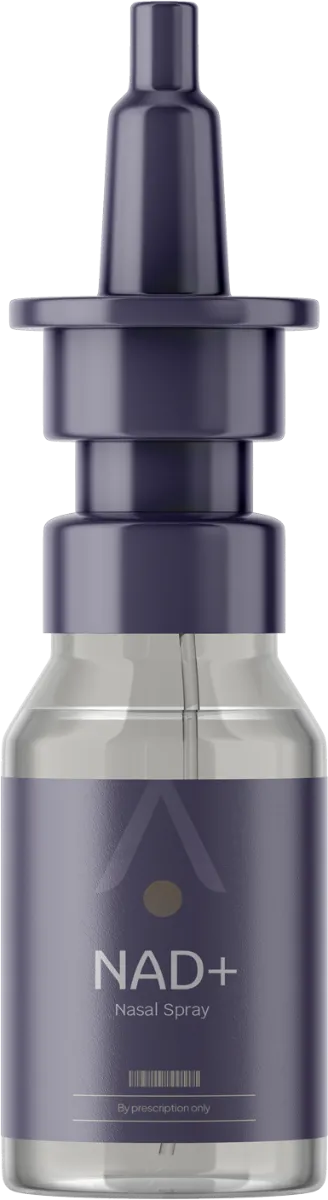
CoreAge Rx lists NAD+ Nasal as a provider-guided compounded nasal spray. The pharmacy’s formulation and pump instructions determine how it is used. Research on oral precursors, IV infusions, or animals does not establish identical benefits from this spray. Review the current NAD+ Nasal page and bring a complete medication and supplement list to the provider discussion.
Related reading
- NAD+ Nasal Spray: How to Understand the Evidence
- Understanding an NAD+ Nasal Spray Prescription and Pump Label
- CoreAge Rx NAD+ Nasal: A Product and Evidence Guide
- NAD+ injections versus oral NMN and NR
Educational information; your prescription and clinician’s instructions guide individual care. Product details and linked sources checked September 15, 2026. Studies of another preparation or delivery route do not establish identical results for a finished compounded product. Photographs are illustrative and do not show treatment outcomes.