Hyperpigmentation means an area of skin appears darker because of pigment. The term describes a finding, not one diagnosis. Post-acne marks, melasma, sun-related spots, and other changes can look similar while needing different approaches. The most useful treatment plan begins by identifying the cause before choosing a brightening cream.
For a prescription product such as CoreAge Rx’s Spot On, the clinician should define what is being treated, where to apply the formula, and when to review the response. Sun protection and avoiding unnecessary irritation remain part of that plan. A stronger product is not automatically a better answer to every dark spot.
Start with the pattern and history
Think about when the discoloration began, whether it followed acne or a rash, and whether it changes with sun exposure. Note its location, whether it is flat or raised, and whether it is stable, spreading, or changing. Include medication changes, pregnancy-related changes, and previous treatments in the history.
Those details help distinguish possibilities. A flat mark left where a pimple healed raises a different discussion from symmetrical patches across both cheeks. A single new or changing lesion needs assessment rather than automatic cosmetic treatment.
Do not assume every brown spot is an age spot. The AAD’s menopause skin-care guidance cautions that some concerning lesions can resemble ordinary pigment changes. Lightening an uncertain lesion can delay an appropriate diagnosis.
Common pigment concerns are not interchangeable
| Pattern | Useful question | Why it matters |
|---|---|---|
| Marks after acne or irritation | Has the original inflammation been controlled? | New inflammation can create new marks. |
| Symmetrical facial patches | Could this be melasma? | Triggers and recurrence affect the treatment plan. |
| Discrete sun-related spots | Has a clinician confirmed the diagnosis? | A suspicious lesion should not be treated as cosmetic pigment. |
| Red or purple marks | Is this primarily pigment or another post-inflammatory change? | A pigment-focused ingredient may not address every color change. |
| Indented or raised scars | Is the concern texture rather than color? | Scar treatment differs from treatment of a flat dark mark. |
The melasma, sunspots, and post-acne comparison develops these distinctions. The goal is to choose a treatment for the identified condition rather than to apply the same cream to every area that looks different.

Control the cause while treating the mark
When pigmentation follows inflammation, controlling that source is part of prevention. Ongoing acne, repeated picking, or an irritating product can keep creating new marks while older ones are being treated. A brightening routine that aggravates the skin can therefore work against its own goal.
Review all active products together. An acne medication, exfoliating toner, and dark-spot prescription may each have a rationale, but the combination needs a coherent schedule. Do not add several unfamiliar ingredients at once if you want to understand tolerance.
If acne is the trigger, the dark spots after acne guide explains how to coordinate the two concerns. Persistent rash or itching should be assessed before assuming the remaining color is the only issue.
Sun protection is part of pigment care
The AAD’s dark-spot guidance emphasizes sun protection and, for relevant pigment concerns, tinted sunscreen containing iron oxide. A useful sunscreen should also provide broad-spectrum SPF 30 or higher. The product needs to fit your skin tone and routine well enough for consistent use.
For melasma, visible light is an additional consideration. The AAD’s melasma self-care advice discusses tinted options, shade, and protective clothing. Sunscreen does not need to be the same brand as the treatment cream, but it needs its own appropriate label and directions.
Do not mix sunscreen into the prescription to save a step. Apply products according to their instructions. If layering pills or stings, discuss a simpler routine or different textures rather than abandoning protection or rubbing the skin aggressively.
Understand the role of prescription hydroquinone
Hydroquinone is used in some clinician-directed pigment treatment plans. The diagnosis, strength, treatment area, and duration matter. It should not be treated as an indefinite all-over brightening moisturizer for any area that looks uneven.
The FDA’s skin-product safety information warns about harms associated with hydroquinone-containing skin-lightening products and the lack of approval for over-the-counter sale. Prescription and compounded preparations require a separate, informed discussion with the provider.
Ask for a defined review point and a plan for what follows. The hydroquinone duration guide explains why a treatment window should come from the individual prescription rather than a universal cycling schedule online.
Other ingredients can have supporting roles
Kojic acid and niacinamide appear in pigmentation research and in combination products. Their evidence involves particular preparations, concentrations, and study populations. A multi-ingredient label does not establish that the ingredients produce identical results in every finished cream.
Ask what each component contributes and whether a separate serum duplicates it. Adding another niacinamide or acid product may increase complexity without a clear additional goal. The kojic-acid guide and niacinamide pigmentation guide discuss those ingredients individually.
Some pigment conditions may need different prescription agents or procedures. A clinician should explain the rationale and risks, particularly when the skin is prone to post-inflammatory darkening. Do not attempt a strong peel at home to accelerate a slow response.
Where Spot On fits
Spot On lists hydroquinone, kojic acid, and niacinamide. The public ingredient summary does not disclose the individual strengths. Confirm the dispensed concentrations, full formula, and instructions with the pharmacy and prescribing provider.
Ask exactly which areas to treat and which to avoid. A dark-spot prescription is not automatically intended for the whole face or for every pigmented area on the body. Use it as supplied rather than mixing it with other actives.
The Spot On ingredient guide separates product details from ingredient evidence. Compounded drugs are not FDA-approved, so the existence of a prescription should not be described as FDA approval of the finished combination.
Build a routine that protects tolerance
Use gentle cleansing and a moisturizer that fits the treatment plan. Avoid scrubs, picking, and repeated peels on an area that is already irritated. A tingling or burning sensation is not a measure of pigment reduction.
Record when each new product begins. If discomfort develops, a simple timeline helps the clinician identify what changed. Include occasional products and procedures, since they can affect the skin even when the daily routine seems mild.
Persistent burning, an itchy rash, swelling, or blistering calls for stopping the newly introduced product and seeking advice. Unexpected darkening, especially an unusual blue-gray change during hydroquinone use, should be assessed rather than treated with more product.
Judge progress with comparable observations
Photograph the same areas in consistent light, without filters and with similar skin preparation. Record the original diagnosis and the treatment start date. Keep track of acne flares, irritation, and major sun exposure, since those can affect the result.
Pigment changes often improve gradually, and recurrence can be part of some conditions. A review should ask whether the original marks are fading, whether new ones are appearing, and whether the routine remains comfortable. These are separate questions.
Do not increase the amount or extend a hydroquinone course because a photograph looks unchanged. Ask whether the diagnosis, treatment window, or maintenance plan needs review.
When to seek assessment before cosmetic treatment
A new or changing spot, an irregular lesion, bleeding, persistent crusting, or an uncertain diagnosis deserves clinical evaluation. Pain, swelling, or a spreading rash also changes the priority. Severe facial swelling or breathing difficulty requires urgent care.
Discuss pregnancy, breastfeeding, medical history, allergies, and other prescriptions before starting a pigment regimen. Those circumstances may change the available choices. A product that worked for someone else is not an individualized plan.
Make the plan specific enough to review
You should know the diagnosis, the purpose of each product, the treatment area, the intended duration, and the follow-up decision. Also ask what to do if irritation or recurrence occurs. These details are more useful than a broad promise to brighten the complexion.
Hyperpigmentation treatment works best as a coordinated plan: identify the cause, reduce relevant triggers, use appropriate treatment, and protect tolerance. Spot On may be one option within that discussion, with its role defined by the actual condition and the prescription you receive.
Explore Spot On™
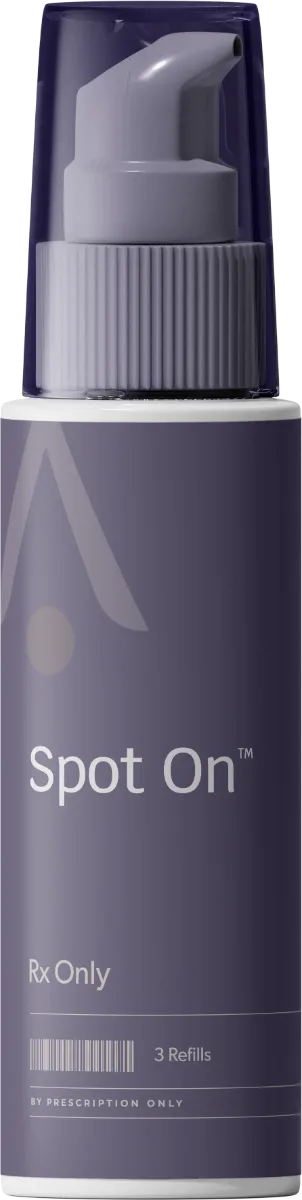
Spot On lists hydroquinone, kojic acid, and niacinamide. Confirm the dispensed strengths, treatment area, and planned treatment duration with your provider. A new or changing dark spot should be assessed before cosmetic treatment. Review the current Spot On™ page and bring your existing skin-care products to the provider discussion.
Explore the complete series
- Melasma, Sunspots, and Post-Acne Marks: Why the Difference Matters
- Prescription Hydroquinone for Dark Spots: What to Discuss
- How Long Should Hydroquinone Be Used? Follow a Defined Plan
- Kojic Acid for Dark Spots: Evidence and Tolerance
- Niacinamide for Hyperpigmentation: A Supporting Ingredient
- Sunscreen for Dark Spots: Broad-Spectrum Protection and Tinted Options
- Dark Spots After Acne: Treating Marks While Preventing New Breakouts
- When Dark-Spot Treatment Irritates Skin: What to Review
- Spot On Ingredients: Hydroquinone, Kojic Acid, and Niacinamide
- A gentle routine for acne-prone skin
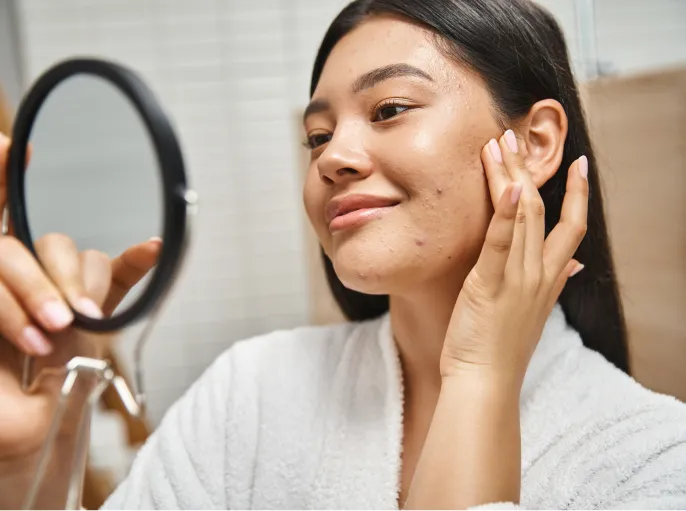
Educational information; your prescription and clinician’s instructions guide individual care. Product details and linked sources checked September 15, 2026. Ingredient research does not establish identical results for a finished compounded formula. Photographs are illustrative and do not show treatment outcomes.