
Copper peptides are skin-care ingredients studied for their possible effects on skin structure and repair. The most useful way to evaluate them is to separate the ingredient’s biological promise from what a particular cream has actually been shown to do. A more comfortable, moisturized face is a worthwhile outcome, but it does not automatically demonstrate new collagen or reversal of skin aging.
This guide explains the evidence, the role of the cream surrounding the peptide, and how to decide whether a copper-peptide product belongs in your routine. CoreAge Rx’s Bounce Back lists copper peptide at 2%; your prescription and pharmacy label provide the directions for your individual formulation.
What is a copper peptide?
A peptide is a short chain of amino acids. Some peptides can bind copper, creating a complex with properties that differ from either free copper or the peptide alone. GHK-Cu is a well-known example in skin research. The letters describe glycyl-histidyl-lysine, a three-amino-acid peptide, bound to copper.
The phrase “copper peptide” is broader than one precisely identified ingredient. If a product page does not specify GHK-Cu, do not assume that every study using GHK-Cu applies to that product. Ask the pharmacy for the exact ingredient identity when comparing a formulation with published research.
Copper-peptide cream also differs from dietary copper, a copper supplement, and an injectable peptide. Findings from one route of use do not establish the benefits or safety of another. A facial cream should be evaluated as the facial cream supplied, with its own ingredients, application area, and instructions.
What does the evidence actually show?
Laboratory research has investigated GHK-Cu in processes related to collagen, extracellular matrix remodeling, and cellular responses to injury. Those findings help explain why researchers are interested in the ingredient. They are an early stage of evidence: cells in a dish are exposed differently from cells underneath an intact skin barrier.
A 2018 research review discusses laboratory work and small cosmetic studies. A later review focused on topical delivery highlights limited clinical information and the challenge of getting peptides to their intended site in skin. Read those findings together. Biological activity is plausible, while reliable predictions for an individual finished cream remain limited.
For example, a study using a particular peptide cream for several weeks cannot tell you how a different 2% product will perform after three applications. Differences in peptide identity, vehicle, stability, participants, and measurement methods all matter. A larger percentage on a label is not a substitute for a well-designed trial.
Hydration and structural changes are different outcomes
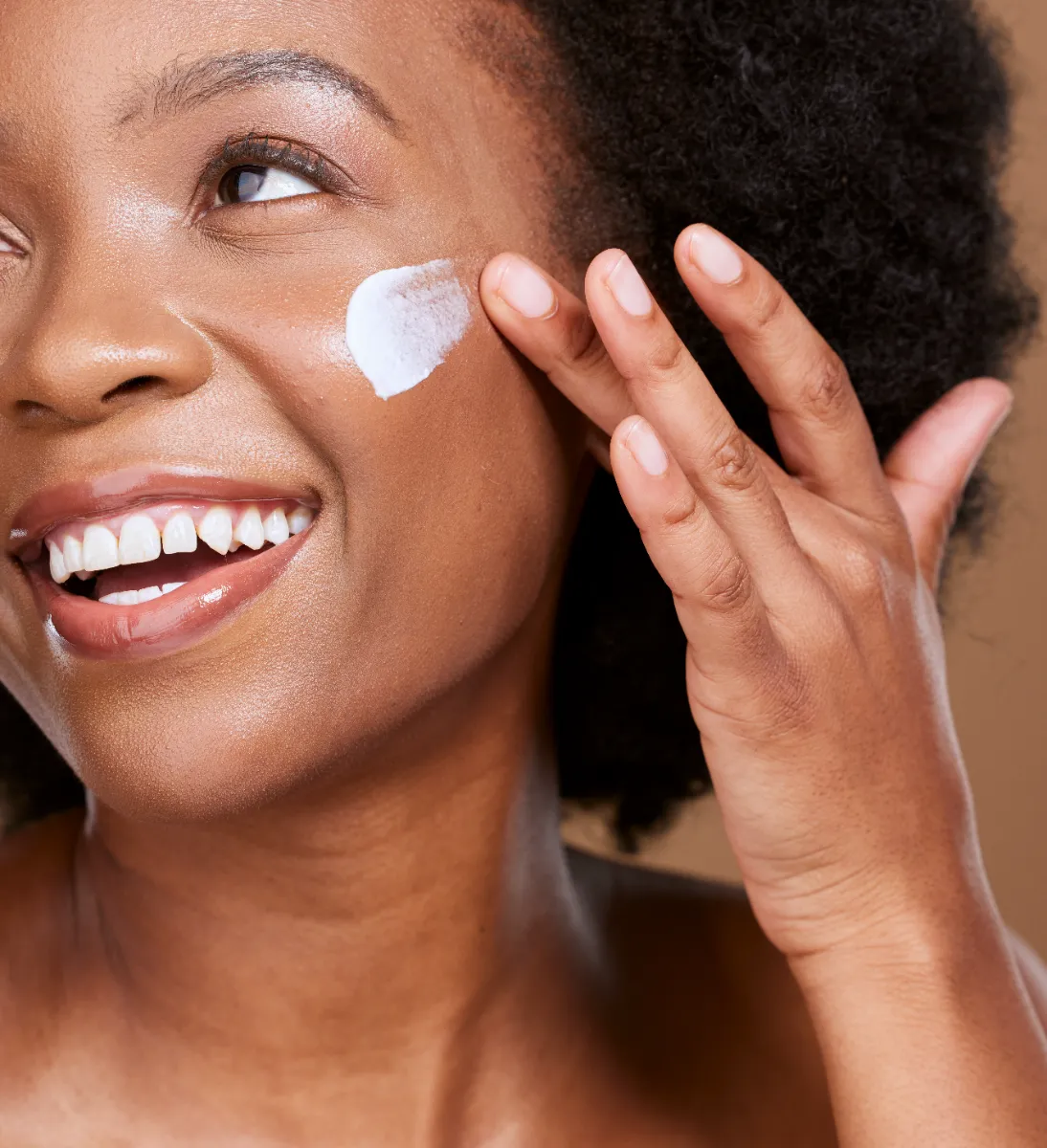
Skin may look smoother shortly after applying a cream because the surface is moisturized. Light reflects differently from a hydrated surface, and fine dryness lines can become less obvious. That visible change may be real without demonstrating deeper remodeling.
Firmness, elasticity, and wrinkle depth are separate outcomes. In research, investigators may use instruments, standardized photographs, or clinical grading to measure them. At home, a flattering bathroom light, a change in facial expression, or applying moisturizer just before a photograph can make a comparison unreliable.
Choose a goal that matches what you can reasonably assess. “My cheeks feel less tight after cleansing” is a useful observation. “My collagen increased by a specific percentage” cannot be established from a mirror. Our firmness evidence guide explores that distinction in more detail.
Start with the concern you want to address
Copper peptides are often discussed alongside several very different concerns. Sorting them out can keep you from buying multiple products for a problem that needs a different approach.
| Main concern | Useful first question | What to keep in perspective |
|---|---|---|
| Dryness or tightness | Is cleansing or another active irritating my skin? | The cream base and a gentle routine may matter greatly. |
| Fine lines | Are these mostly dryness lines, expression lines, or long-standing changes? | Topical products have limits, and results vary. |
| Acne or clogged pores | Do I need an established acne treatment? | Copper peptides are not interchangeable with an acne medication. |
| Persistent redness | Could this be dermatitis or rosacea? | A diagnosis may be more useful than adding a new serum. |
| Recovery after a procedure | What has the treating clinician approved? | Routine cosmetic use does not establish post-procedure suitability. |
If several concerns overlap, choose the one that affects your comfort or health most. Addressing painful irritation before pursuing cosmetic firmness often makes the rest of the routine easier to evaluate.
Where a cream can fit in a daily routine
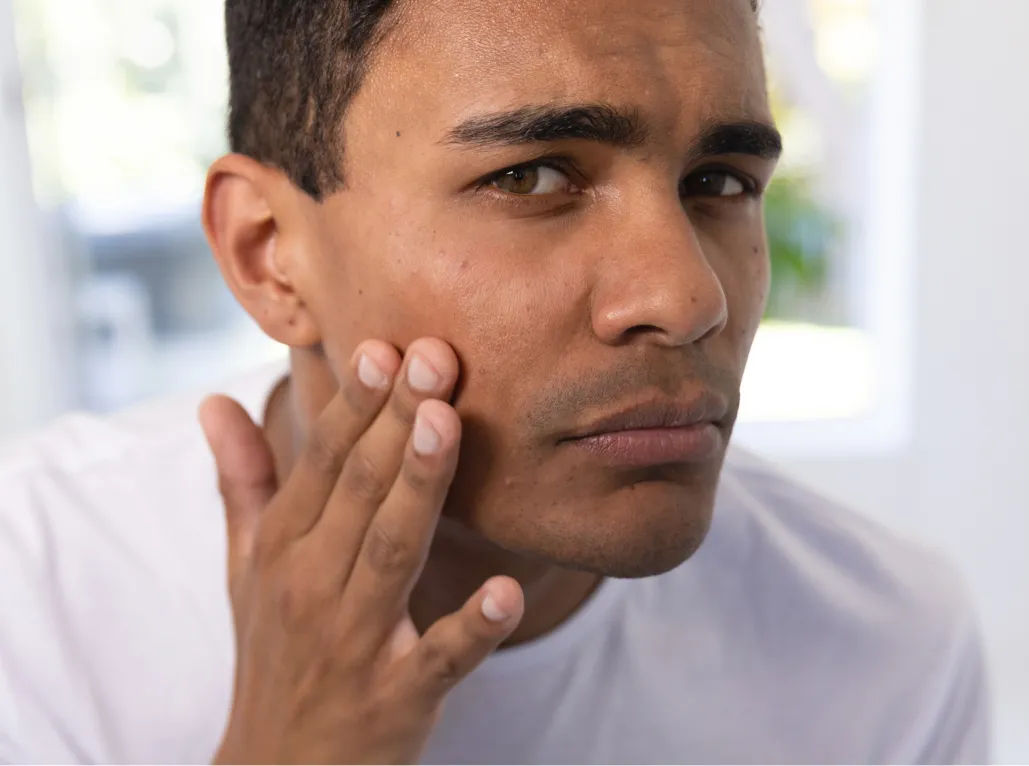
A workable routine gives every product a clear job. Cleansing removes what needs to be removed. Moisturizer supports comfort. Sunscreen protects exposed skin during the day. A prescribed treatment addresses the concern for which it was chosen.
For Bounce Back, follow the prescribed amount, timing, and application area. The public product directions describe applying a thin layer to clean, dry skin as instructed by the provider. They do not replace the label you receive. Confirm whether a separate moisturizer is useful and where it should go in your particular routine.
Do not add several unfamiliar products on the same evening. If your face becomes uncomfortable, you will have little information about which change caused it. Keep a simple record of what you introduced and when. That record is more useful than trying to remember the order of six new products at a follow-up visit.
The AAD’s moisturizer guidance can help you understand differences among gels, lotions, creams, and ointments. The heaviest texture is not automatically the best choice for everyone; comfort, acne tendency, and the rest of the regimen influence the choice.
What about vitamin C, acids, and retinoids?
Ingredient-pairing charts often reduce complicated formulation questions to a green or red check mark. Compatibility depends on the exact products, not just the headline ingredient names. Concentration, pH, packaging, and formulation stability may matter, while your skin can still become irritated by individually compatible products.
Ask the prescriber or pharmacist to review the actual labels. They may prefer different application times, fewer active products, or a simpler plan. There is no need to invent a precise waiting interval between products unless the instructions call for one.
If you already use tretinoin, copper peptides do not automatically replace its role. See copper peptides versus retinoids for an evidence-based comparison, and vitamin C layering questions for a practical label review.
How to judge progress without chasing daily changes
Before starting, note the specific area and concern you want to follow. Use photographs with the same lighting, distance, facial expression, and time relative to cleansing. Avoid beauty filters. Record comfort separately from appearance so that a smoother-looking photograph does not hide a worsening rash.
A brief weekly note is usually easier to interpret than checking a magnifying mirror repeatedly throughout the day. Include missed applications and any change in cleanser, sunscreen, weather exposure, or other treatments. Those details help explain why the skin looks or feels different.
Agree on a review date with your provider. Limited evidence does not support a universal copper-peptide countdown that guarantees visible change by a certain week. At review, discuss whether the original goal improved enough to justify continuing, whether the routine remains tolerable, and whether another diagnosis or treatment deserves attention.
Tolerance and situations that need a different plan
A peptide label does not make the entire formula suitable for every sensitive face. Preservatives, fragrances, other active ingredients, and the cream base can all influence tolerance. Persistent burning, a spreading rash, swelling, or blistering calls for stopping the new product and obtaining advice. Breathing difficulty or rapidly developing facial swelling needs urgent medical help.
Ask before applying a routine skin-care product to broken skin, a fresh procedure site, or an area with active dermatitis. Also review pregnancy, breastfeeding, allergies, and other prescription topicals with the clinician. Do not extend a facial prescription to the eyelids, lips, neck, or another person simply because the bottle has enough product remaining.
Questions worth bringing to a consultation
- What is the exact copper-peptide ingredient in this formulation?
- Is my main goal hydration, texture, or something that needs a diagnosis?
- What evidence supports that goal, and how closely does it match this cream?
- Which current products should stay in my routine?
- Where should I apply it, and which areas should I avoid?
- What changes should prompt a message, a pause, or an in-person examination?
- When will we review whether the treatment is worthwhile?
Good answers turn a broad ingredient trend into a specific, understandable plan. They also make it easier to recognize the difference between a product that feels pleasant, a product that meets your cosmetic goal, and a condition that needs another kind of care.
Explore Bounce Back™
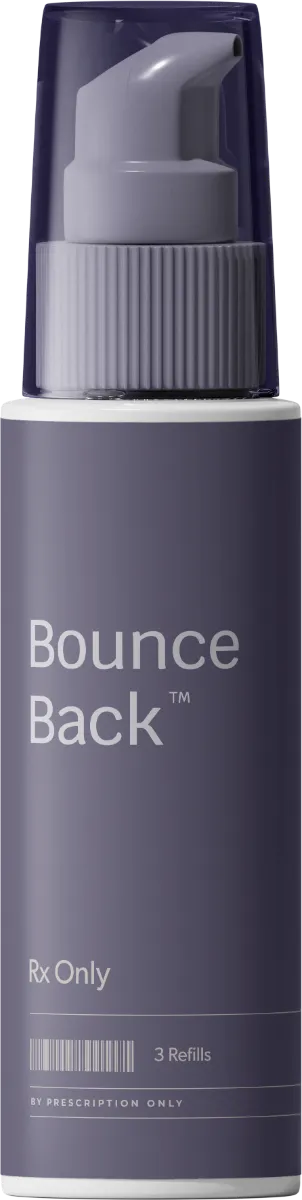
Bounce Back lists copper peptide 2%. Confirm the precise peptide identity, complete formulation, and directions with the dispensing pharmacy and prescribing provider. Review the current Bounce Back™ page and bring your existing skin-care products to the provider discussion.
Explore the complete series
- Copper Peptides and the Skin Barrier: What to Know
- Copper Peptides vs. Retinoids: Different Roles in Skin Care
- Copper Peptides and Vitamin C: How to Review a Layering Routine
- Copper Peptides for Sensitive Skin: Tolerance and Product Questions
- Can Copper Peptide Cream Improve Skin Firmness?
- A Skin Barrier Recovery Routine: Gentle Care and When to Get Help
- Copper Peptides After Skin Procedures: Ask Before Applying
- How Long Do Copper Peptide Skin Products Take to Work?
- Bounce Back Copper Peptide Cream: A Product and Evidence Guide
- Tretinoin for fine lines: evidence and daily care
Educational information; your prescription and clinician’s instructions guide individual care. Product details and linked sources checked September 15, 2026. Ingredient research does not establish identical results for a finished compounded formula. Photographs are illustrative and do not show treatment outcomes.