
Moisturizer can help make a tretinoin routine more comfortable, but the best order depends on the prescription, formulation, and your skin. Applying moisturizer before, after, or around a treatment is a practical decision to make with the prescriber. A universal sandwich method should not override the directions on the product you receive.
The goal is clear use: the right medication amount reaches the intended area, supporting care remains tolerable, and the routine is simple enough to follow. Mixing products together to save a step can make those details less clear rather than solving the problem.
Understand what each product is doing
Tretinoin is a prescription retinoid used for specific treatment goals. Moisturizer supports hydration and surface comfort through its formula. They may both influence how fine lines look, but their roles are different.
A smoother appearance immediately after moisturizer does not prove a tretinoin effect. Likewise, a dry or flaky period does not mean moisturizer is preventing the medication from working. Judge treatment outcomes and comfort separately.
The AAD’s retinoid guidance discusses moisturizer as part of tolerable care. The fine-line guide explains the difference between short-term surface changes and the longer-term evidence for tretinoin.
Start with the actual directions
Confirm the amount, frequency, treatment area, skin preparation, and any waiting interval after cleansing. MedlinePlus’s tretinoin information emphasizes using the medication exactly as directed and avoiding excluded areas.
If the label specifies clean, dry skin, do not replace that instruction with an unrelated routine recommending damp application. If the prescriber provides a moisturizer order, follow it. Ask for clarification when the pharmacy label and an online suggestion appear inconsistent.
The appropriate answer should identify the exact product, not simply say that all creams go after serums. Prescription use can require more specific guidance than cosmetic texture-order rules.

What people mean by buffering or sandwiching
In skin-care discussions, buffering usually refers to using moisturizer before an active, while sandwiching often means moisturizer before and after it. These terms describe a pattern of layers, not a standardized medical protocol.
Different clinicians may recommend different approaches for particular formulations and skin conditions. The amount and type of moisturizer, the application interval, and the rest of the routine can vary. Do not assume that the name of a method answers all those questions.
Ask whether a particular approach fits your prescription and goal. If irritation is already significant, the first question may be whether treatment should be adjusted rather than how to add more layers around it.
Layering is different from mixing
Applying separate products according to directions preserves a clearer sequence and amount. Mixing tretinoin into moisturizer in your palm or a jar changes how the medication is used and can make the dose applied less predictable.
Do not dilute a prescription to create a lower strength yourself. If a different strength or vehicle would be useful, the prescriber and pharmacy should handle that decision. A home mixture is not equivalent to a professionally prepared formulation.
The same principle applies to sunscreen: do not mix it into tretinoin or moisturizer to create a combined step. A sunscreen should be applied according to its own tested label.
Choose moisturizer by the skin’s needs
The AAD’s moisturizer guide explains differences among gels, lotions, creams, and ointments. Texture and ingredients influence comfort. Dry skin may need more moisture retention, while acne-prone skin may prefer a lighter, noncomedogenic option.
Humectants help attract water, emollients smooth the surface, and occlusive ingredients help limit water loss. Many formulas combine these roles. You do not need a separate product for each function simply because the terms appear in skin-care advice.
Avoid assuming the thickest possible layer is always best. Ask whether a highly occlusive application over the treatment is appropriate for your preparation and skin. More coverage can change the experience and should not be used as a way to intensify the medication.
Review ingredients hidden in the moisturizer
A night cream may contain retinol, exfoliating acids, fragrance, or other actives. It is not automatically a neutral supporting step. Adding it around tretinoin may duplicate treatment or contribute to irritation.
Read the complete label and include the product in the prescriber’s review. A fragrance-free, uncomplicated formula may be useful when the skin is reactive, but the full ingredient list and your history still matter.
| Moisturizer question | Why it helps |
|---|---|
| Does it contain another retinoid or acid? | Identifies duplicated active exposure. |
| Is the texture comfortable? | Supports consistent use. |
| Does it sting on application? | Signals a need to review the skin and formula. |
| Is it suited to acne-prone skin when relevant? | Helps coordinate comfort with the acne goal. |
| Where does it belong in the prescribed sequence? | Prevents uncertainty about application. |
Keep cleansing from undermining the plan
Harsh cleansing and scrubbing can create dryness that more moisturizer does not fully solve. Use comfortable water temperature and gentle handling. Avoid repeatedly washing until the face feels stripped.
If the cleanser contains salicylic acid or another acne active, include it in the treatment inventory. Brushes, exfoliating cloths, and occasional peels also count as exposures. The total routine matters more than the moisturizer order alone.
The starting tretinoin guide provides a useful checklist. A simpler baseline can make it easier to identify whether a layering change actually improves comfort.
A practical routine conversation
Ask the provider to walk through one ordinary evening: cleansing, any waiting interval, the medication, and moisturizer. Write down the sequence in the words used for your prescription. Then ask what should happen on an occasion when the medication is not scheduled or is missed.
Do the same for daytime care, including sunscreen. If the plan is too complicated for your schedule, explain which part is difficult. A realistic routine should not rely on remembering a long series of unofficial rules.
Do not add extra medication because moisturizer makes the application feel milder. Sensation is not a dose guide, and less stinging does not mean more tretinoin is needed.
Where Smooth Move fits
Smooth Move lists tretinoin, niacinamide, and vitamin C. Its public ingredient summary does not disclose individual strengths or vitamin C form. The cream base and the supplied directions should be reviewed with the pharmacy if you are deciding whether a separate moisturizer is needed.
The combination may have a different feel from a single-ingredient tretinoin gel or another cream used previously. Do not assume the old layering sequence is automatically the best fit. Ask which supporting products are useful and which duplicate ingredients already present.
The Smooth Move guide and combined-formula article explain the product-level questions. Ingredient names alone cannot determine every compatibility or tolerance issue.
When layering is not enough
Persistent burning, a spreading rash, marked swelling, blistering, or increasing pain needs advice. Stop a newly introduced product that causes a marked reaction. Severe facial swelling or breathing difficulty requires urgent medical care.
Do not keep adding moisturizer layers to make a significant reaction tolerable enough to ignore. The prescription, schedule, or diagnosis may need review. A moisturizer cannot cancel every effect of an overly aggressive regimen.
The peeling and irritation guide explains what to record. Include whether discomfort occurs with water or familiar products as well as with tretinoin.
Evaluate the change you make
If the provider recommends a different moisturizer or order, keep other optional products stable when practical. Record whether cleansing becomes more comfortable, whether stinging changes, and whether the routine is easier to follow.
Track the treatment goal separately. Improved comfort is useful, but it does not by itself establish an acne or fine-line result. Comparable photographs and a clear follow-up date can help assess those outcomes over the appropriate period.
The results timeline guide explains why immediate softness should not be confused with long-term treatment effects. A well-supported routine can make that longer assessment more practical.
Keep the method understandable
The best moisturizer strategy is one that fits the actual prescription and makes daily care manageable. Know the sequence, keep the medication amount clear, and avoid adding layers without a purpose.
Moisturizer and tretinoin can work within the same routine while retaining separate roles. Follow the individualized instructions, review persistent symptoms, and judge both comfort and the original treatment goal. That is more useful than treating one fashionable layering method as a rule for every face.
Explore Smooth Move™
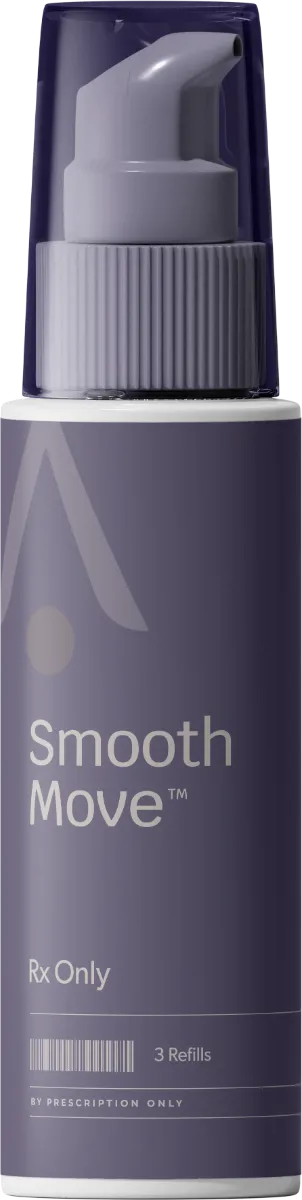
Smooth Move lists tretinoin, niacinamide, and vitamin C. The public ingredient summary does not disclose the individual strengths or vitamin C form. Follow your prescription and review other active products with your prescriber. Review the current Smooth Move™ page and bring your existing skin-care products to the provider discussion.
Related reading
- Tretinoin for Fine Lines: Evidence, Expectations, and Daily Care
- Starting Tretinoin: Build a Routine Around Your Prescription
- Tretinoin Peeling and Irritation: What Is Worth Reviewing?
- Tretinoin, Vitamin C, and Niacinamide: Understanding a Combined Formula
- A gentle skin barrier recovery routine
Educational information; your prescription and clinician’s instructions guide individual care. Product details and linked sources checked September 15, 2026. Ingredient research does not establish identical results for a finished compounded formula. Photographs are illustrative and do not show treatment outcomes.