Tretinoin and sunscreen have separate roles in a skin-care plan. Tretinoin treats the concern for which it was prescribed; sunscreen provides the ultraviolet protection stated on its label. Using a retinoid for fine lines does not replace sun protection, and applying sunscreen does not change the medication’s prescribed amount or schedule.
The practical challenge is making both steps comfortable enough to maintain. A protection routine that pills, stings, or feels inconvenient may be used inconsistently. Solving those ordinary problems can be more useful than adding another anti-aging serum while the basic plan remains difficult to follow.
Start with the reason tretinoin was prescribed
Acne and photoaging goals are different, but both deserve a clear supporting routine. If the goal involves sun-related changes, continued ultraviolet exposure can work against what you are trying to achieve. The treatment should not be interpreted as permission to accept more exposure.
MedlinePlus’s tretinoin information includes sun-related precautions and advice to use the medication as directed. The AAD’s retinoid guidance also emphasizes sun protection within a retinoid routine.
Ask the prescriber to explain both the medication step and the daytime plan. If the instructions are reduced to use this at night and wear SPF, request enough detail to make the routine practical for your activities.
Read the sunscreen label rather than the marketing category
The AAD sunscreen guide recommends broad-spectrum SPF 30 or higher and appropriate water resistance. Broad spectrum concerns UVA and UVB protection. The label’s reapplication directions matter when you spend time outdoors, swim, or sweat.
Terms such as mineral, invisible, sensitive, or anti-aging do not replace those features. A product’s finish and comfort matter, but they should be considered alongside its labeled protection.
Do not calculate protection from a single ingredient. Zinc oxide in an acne cream does not establish a tested SPF, and vitamin C in a treatment does not turn it into sunscreen. The finished product needs the relevant label.

Choose a texture that fits the rest of the routine
Sunscreens can differ in spreadability, finish, residue, and how they behave over moisturizer. A formula that works well for another person may be uncomfortable for your skin or difficult under your usual makeup.
Identify the specific problem rather than rejecting a whole category. Is the product greasy, dry-feeling, visibly pale, irritating, or prone to pilling? Those observations help a clinician or pharmacist suggest a more suitable option.
For acne-prone skin, discuss noncomedogenic choices. For pigment concerns, a tinted formula with iron oxide may deserve attention. The dark-spot sunscreen guide explains that additional label discussion.
Give morning and evening care clear jobs
| Part of the routine | Main purpose | Detail to confirm |
|---|---|---|
| Morning cleansing | Remove what is needed gently | Whether the cleanser adds an active treatment |
| Moisturizer | Support comfort | Texture and placement within the plan |
| Sunscreen | Provide labeled ultraviolet protection | Amount, timing, and reapplication directions |
| Evening cleansing | Remove sunscreen and makeup | Gentle technique without unnecessary scrubbing |
| Tretinoin | Treat the prescribed concern | Amount, frequency, area, and skin preparation |
This framework is not a universal dosing schedule. Follow the prescription and the sunscreen label. The point is to avoid asking one product to perform a role that belongs to another.
Do not mix sunscreen with the prescription
Combining tretinoin and sunscreen in your palm or a jar makes the applied amounts less clear and changes how the labeled products are used. It is not equivalent to a deliberately formulated combination that has its own instructions and testing.
Apply products separately according to the plan. If the layers feel excessive, discuss whether optional serums or a separate morning moisturizer are needed for your skin. Do not dilute the sunscreen to improve its finish.
The same caution applies to blending sunscreen with foundation or another cream. A convenient homemade mixture should not be assumed to retain the protection described on the original label.
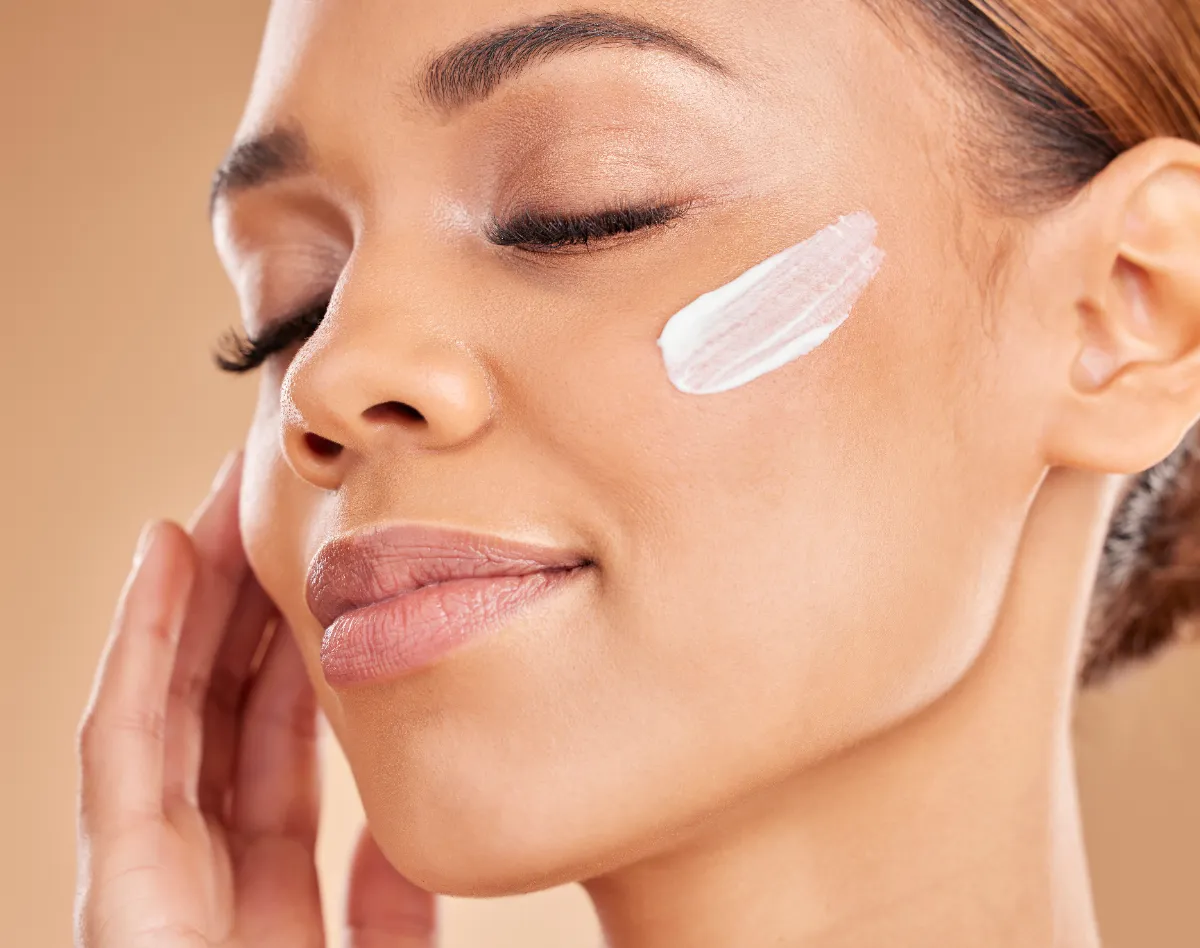
Troubleshoot pilling without scrubbing the skin
Pilling can reflect the combination of formulas, the amount of product, and the way layers are applied. It does not automatically mean the skin needs stronger exfoliation. Scrubbing an already sensitive face can create another problem.
Review the simplest possible morning routine with the provider. Identify which steps are essential and which are optional. Follow each product’s directions and assess whether a different texture would be easier to use.
Keep medication decisions separate from cosmetic finish problems. Do not skip prescribed treatment or reduce sunscreen arbitrarily because the products do not layer attractively. Ask for a workable adjustment that preserves their intended roles.
If sunscreen stings, include the whole routine in the history
A sunscreen that previously felt fine may sting when the skin becomes irritated. A new formula can also be unsuitable. Note when the symptom began, where it occurs, and what else changed, including tretinoin frequency, cleanser, acids, and procedures.
Do not repeatedly test many new products on a face with a significant rash. Contact the clinician and ask about appropriate care. The tretinoin irritation guide explains useful symptoms to record.
Stop a newly introduced product that causes persistent burning, marked swelling, blistering, or a spreading rash and obtain advice. Severe facial swelling or breathing difficulty requires urgent care. A protection product still needs to be tolerable.
Plan for time outdoors
Use the sunscreen according to its label before exposure and reapply as directed, including after relevant swimming or sweating. A morning application should not be assumed to cover a full day of outdoor activity without further attention.
Support it with shade and protective clothing, such as an appropriate hat. Think through the actual day: commuting, lunch outdoors, exercise, errands, or travel. Keep the product accessible where missed reapplication usually happens.
Do not increase tretinoin after a day in the sun in an attempt to undo the exposure. Sunburned or significantly irritated skin needs a different discussion with the prescriber, and the medication should be used only as directed.
Sunscreen and pigmentation may need coordination
If melasma or post-acne marks are also present, tell the clinician. Pigment treatment may introduce additional products and a reason to consider visible-light protection from a suitable tinted sunscreen.
Do not add a hydroquinone or acid product to the tretinoin routine independently just because dark marks remain. A coordinated plan should define each treatment area, schedule, and duration while protecting tolerance.
The hyperpigmentation guide and dark spots after acne article explain the distinction between active acne, pigment, and scars. Sunscreen supports that plan without replacing diagnosis.
Where Smooth Move fits
Smooth Move lists tretinoin, niacinamide, and vitamin C. Its public ingredient summary does not disclose the individual strengths or vitamin C form. Follow the dispensed prescription and review the supporting daytime products with the provider.
Vitamin C’s presence does not establish a sunscreen claim. Nor does niacinamide mean that the complete routine cannot irritate. The treatment cream and sunscreen should each be evaluated for their actual roles.
The Smooth Move ingredient guide and combined-formula guide explain these product-level questions. Avoid adding extra active layers without a distinct purpose.
Procedures and health changes require specific advice
If you plan a peel, laser treatment, microneedling, or surgery, tell the treating clinician about tretinoin and ask for procedure-specific before-and-after instructions. A routine sunscreen schedule may need adjustment during recovery depending on what can be applied to the skin.
Discuss pregnancy plans and breastfeeding before starting or continuing retinoids; the AAD advises against retinoid use during pregnancy. Also disclose eczema, rosacea, allergies, and other medications.
Do not apply the prescription to excluded areas or use it on a new lesion instead of obtaining an assessment. A cosmetic routine should not obscure a separate medical concern.
Review the routine as something you actually live with
At follow-up, explain whether the sunscreen is comfortable, whether reapplication is practical, and whether the treatment schedule is manageable. These details can matter as much as choosing the right ingredient on paper.
Track the prescribed outcome separately from protection habits. A lack of sunburn does not prove that an unlabeled cream provided adequate protection, and early peeling does not prove tretinoin benefit.
A useful routine keeps the jobs clear: use tretinoin as prescribed, use sunscreen as labeled, and solve practical barriers without improvising mixtures or increasing exposure. That makes the plan easier to maintain over the period needed to judge the treatment fairly.
Explore Smooth Move™
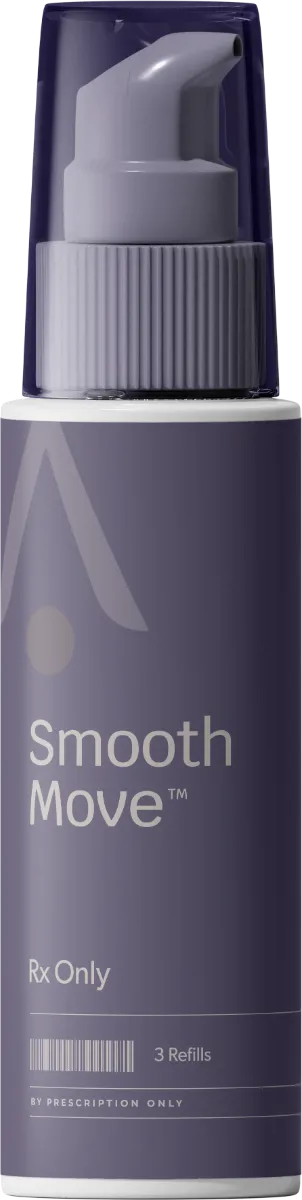
Smooth Move lists tretinoin, niacinamide, and vitamin C. The public ingredient summary does not disclose the individual strengths or vitamin C form. Follow your prescription and review other active products with your prescriber. Review the current Smooth Move™ page and bring your existing skin-care products to the provider discussion.
Related reading
- Tretinoin for Fine Lines: Evidence, Expectations, and Daily Care
- Starting Tretinoin: Build a Routine Around Your Prescription
- How Long Does Tretinoin Take to Work for Skin Texture and Fine Lines?
- Tretinoin, Vitamin C, and Niacinamide: Understanding a Combined Formula
- A gentle skin barrier recovery routine
Educational information; your prescription and clinician’s instructions guide individual care. Product details and linked sources checked September 15, 2026. Ingredient research does not establish identical results for a finished compounded formula. Photographs are illustrative and do not show treatment outcomes.