
Tretinoin can be used for acne and for selected signs of photoaging, but those goals should be evaluated differently. Fewer new pimples, smoother texture, and less noticeable fine lines are separate outcomes. A prescription can address more than one concern without making their timelines or treatment priorities identical.
Before starting, ask which goal is primary and what will guide the first follow-up. That keeps the plan specific and helps prevent a common mistake: judging an acne treatment by old dark marks, or judging a fine-line treatment by how much the skin peels during the first week.
What the acne goal involves
Acne can include blackheads, whiteheads, inflamed pimples, and deeper painful lesions. A clinician considers the pattern, severity, scarring risk, and effect on daily life when selecting treatment. Tretinoin may be one part of a broader plan.
The AAD’s acne guidelines strongly recommend topical retinoids among established treatment options. That does not mean tretinoin alone is sufficient for every acne pattern. Other therapies may be needed, especially when lesions are painful, persistent, or scarring.
Useful acne measures include new lesions, inflammation, tenderness, and whether the treatment is tolerable enough to follow. Normal pores and sebaceous filaments should not be counted as acne failures.
What the photoaging goal involves
Photoaging refers to changes associated with cumulative ultraviolet exposure. Fine lines, uneven pigmentation, and texture changes can be part of the concern. Facial expression, anatomy, and ordinary aging also influence appearance.
A systematic review of tretinoin photoaging trials describes evidence for improvement in studied outcomes, alongside local irritation. The result is not a promise to erase deep folds, lift marked laxity, or make normal skin look texture-free.
Define the feature you want to assess. A particular area of fine lines is easier to review than an overall goal of looking younger. Surface dryness can also affect the appearance, so moisturizer and the cream base need to be considered.
Compare the goals directly
| Question | Acne plan | Photoaging plan |
|---|---|---|
| What is being measured? | New lesions, inflammation, congestion, and comfort | Defined texture, fine-line, or pigment changes and comfort |
| What can confuse progress? | Old marks or scars remaining after acne improves | Lighting, dryness, expression, and moisturizer finish |
| What may need other care? | Deep painful lesions, scarring, or other acne drivers | Marked laxity, deep folds, or a changing lesion |
| What remains important? | A manageable regimen and appropriate supporting products | Sun protection and realistic cosmetic expectations |
The table does not prescribe different doses. The actual preparation and schedule should come from the clinician. It helps identify which outcome belongs to which part of the plan.
Timelines should match the outcome
MedlinePlus’s tretinoin information describes gradual acne improvement and a longer period for noticeable fine-line changes, potentially several months. A review date should reflect the selected goal and the prescription rather than a universal countdown.
If acne lesions improve but dark marks remain, the medication may still be helping the acne goal. If the skin feels smoother after moisturizer but fine lines are unchanged, that is not yet evidence of the longer-term photoaging result.
The tretinoin timeline guide explains how to track outcomes separately. Do not increase the amount because one feature is changing more slowly than another.
Marks and scars are separate from active acne
Flat post-acne pigmentation can persist after lesions settle. Red or purple marks and scars that change texture also raise different questions. A treatment that prevents new acne may not immediately resolve everything left behind by previous breakouts.
Ask the clinician to identify which remaining features are pigment and which are scars. A dark-spot product should not be expected to fill an indentation, and a retinoid should not be treated as a universal solution to every scar type.
The dark spots after acne guide explains how to coordinate prevention and pigment care. If a new spot is changing or does not fit the expected pattern, obtain an assessment rather than assuming it is an old acne mark.

The preparation still matters
Tretinoin products can differ in concentration, vehicle, and accompanying ingredients. A formula chosen for one person’s acne is not automatically interchangeable with another person’s photoaging prescription. Percentages alone do not capture the entire comparison.
Ask for the exact strength and product type, and keep the original directions. Do not use a friend’s prescription or substitute a cosmetic retinol by applying more of it. Different compounds and formulations have different evidence and instructions.
The tretinoin-versus-retinol guide explains that distinction. A clear product identity is necessary before discussing either the expected benefit or tolerance.
Supporting care should fit both goals
Gentle cleansing and an appropriate moisturizer can make a treatment routine easier to maintain. Avoid repeated scrubbing, multiple retinoids, and unnecessary acid layers. A face can be acne-prone and still become dry or irritated.
For a photoaging goal, sun protection is central. It also remains relevant in acne care, particularly when pigment changes are a concern. The AAD sunscreen guidance recommends broad-spectrum SPF 30 or higher, with clothing and shade.
Do not mix sunscreen into the prescription. If layers pill or sting, discuss practical adjustments. The moisturizer guide and sunscreen guide explain how to keep the jobs clear.
Tolerance is part of both assessments
Dryness, peeling, and irritation can occur, but they do not measure treatment success. A regimen that reduces some acne while causing a persistent rash needs review. A cosmetic benefit does not justify ignoring significant discomfort.
Keep a record of symptoms and product changes. Contact the clinician for persistent or severe irritation, and stop a newly introduced product that causes a marked rash, swelling, or blistering. Severe facial swelling or breathing difficulty requires urgent care.
The peeling and irritation guide explains what to describe. Do not label every new bump as a necessary purge or use peeling as a reason to increase exposure.
Where Smooth Move fits
Smooth Move lists tretinoin, niacinamide, and vitamin C and is presented around texture, tone, and fine-line concerns. The provider should clarify the intended goal for you, including whether acne is part of the treatment discussion.
The public ingredient summary does not disclose individual strengths or the vitamin C form. Confirm the dispensed formula with the pharmacy and follow the prescribed amount, area, and schedule.
The Smooth Move ingredients guide separates product facts from ingredient research. A study of another tretinoin preparation does not guarantee the same result for this combination.
Review other medications and health circumstances
Tell the clinician about acne products, pigment prescriptions, retinol cosmetics, peels, and recent procedures. A treatment selected for one goal may need coordination with products used for another. More actives should mean a clearer purpose, not simply a longer routine.
The AAD advises against retinoid use during pregnancy. Discuss pregnancy plans and breastfeeding before use, along with allergies, eczema, rosacea, and other medical considerations.
Do not apply to excluded areas or to broken, sunburned, or significantly irritated skin without advice. A changing lesion needs evaluation rather than being absorbed into a general anti-aging routine.
Make the follow-up decision specific
For acne, bring a record of new lesions, tenderness, and treatment consistency. For photoaging, bring comparable photographs of the defined concern and notes on comfort. If both goals matter, review them separately before deciding whether the regimen is useful overall.
Ask whether the benefit justifies continuing, whether the formula or schedule should change, and whether a remaining concern needs a different treatment. A partial result can be meaningful while still leaving another problem to address.
Let the goal guide the plan
If a remaining concern is different from the original goal, ask for it to be assessed explicitly. That avoids treating every unresolved feature as evidence that the current medication needs a higher strength.
Tretinoin’s uses overlap, but the evaluation should remain precise. Acne control, pigment management, and fine-line improvement are related parts of skin care, not one interchangeable outcome.
Use the exact prescription, keep supporting care manageable, and assess the feature the treatment was chosen to address. That produces a clearer answer than judging the entire routine by one persistent mark, one flattering photograph, or the amount of visible peeling.
Explore Smooth Move™
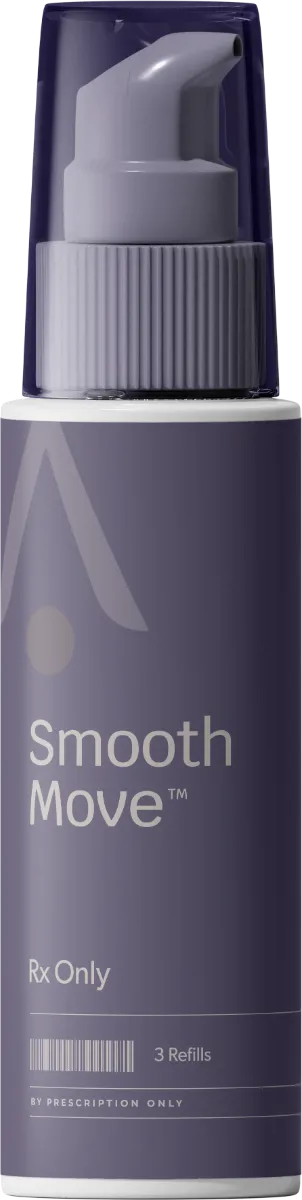
Smooth Move lists tretinoin, niacinamide, and vitamin C. The public ingredient summary does not disclose the individual strengths or vitamin C form. Follow your prescription and review other active products with your prescriber. Review the current Smooth Move™ page and bring your existing skin-care products to the provider discussion.
Related reading
- Tretinoin for Fine Lines: Evidence, Expectations, and Daily Care
- Tretinoin vs. Retinol: Strength, Tolerance, and Choosing a Routine
- How Long Does Tretinoin Take to Work for Skin Texture and Fine Lines?
- Smooth Move Ingredients: Tretinoin, Niacinamide, and Vitamin C
- A gentle skin barrier recovery routine
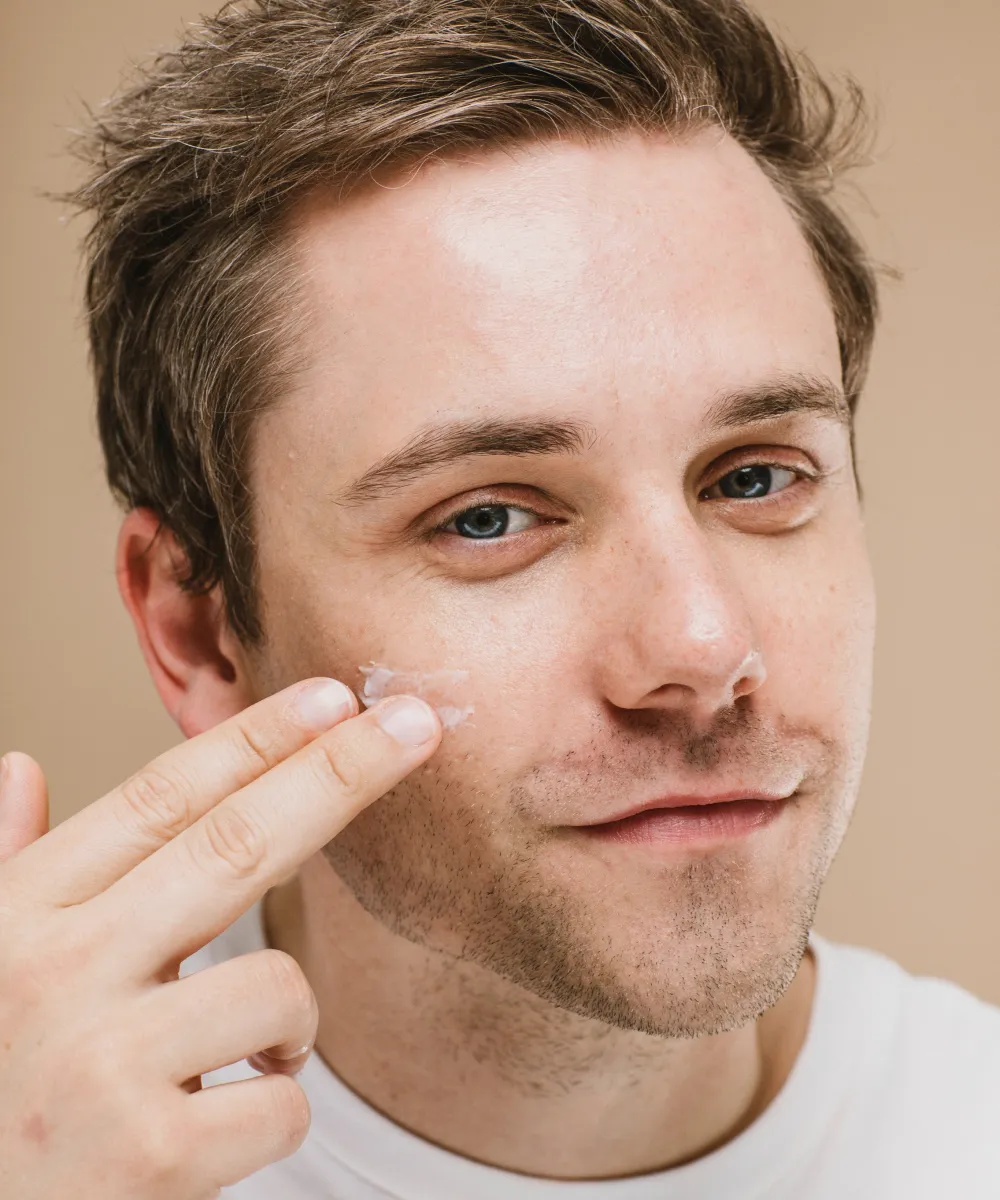
Educational information; your prescription and clinician’s instructions guide individual care. Product details and linked sources checked September 15, 2026. Ingredient research does not establish identical results for a finished compounded formula. Photographs are illustrative and do not show treatment outcomes.