Storage and travel instructions for NAD+ injections depend on the preparation dispensed by the pharmacy. A generic temperature rule or an online statement about how long a vial lasts cannot establish the stability of your particular prescription. The concentration, ingredients, container, preparation state, and validated handling instructions all matter.
A practical plan covers delivery, everyday storage, use dates, transport, supplies, and the response to an unexpected problem. This guide organizes those questions so they can be resolved before the medicine is needed.
Start with the pharmacy’s written instructions
Locate the storage conditions and beyond-use date on the label or accompanying information. Check whether additional instructions apply after first puncture or after any preparation step. If the documents disagree, contact the pharmacy for a clear current version.
The MedlinePlus storage guidance explains that heat, light, moisture, and other environmental conditions can affect medicines. Its general advice also emphasizes asking the pharmacist about product-specific requirements. That qualification is particularly important for compounded injectables.
Keep the medication in its original labeled container. The label preserves identification, directions, and the information needed if another clinician must assess a problem.
Confirm what form you will receive
A prescription may arrive in a form that is ready for the instructed use or with a preparation step specified by the pharmacy. Do not assume that a vial needs dilution because a different product did. Do not assume that a powder can be prepared with any liquid described online.
If preparation is required, obtain instructions for the exact supplies, method, resulting concentration, and use period. This article does not provide a mixing recipe. Those details must be tied to the actual prescription and pharmacy preparation.
The label guide explains how concentration, volume, and the prescribed amount fit together. Any preparation step makes that connection especially important.

Understand the different dates
A beyond-use date is the pharmacy-assigned limit for the compounded preparation under its specified conditions. A separate instruction may govern how long a container can be used after first puncture or another event. A shipping date or the day the prescription was written is a different piece of information.
Ask which limits apply and how they should be recorded. Do not extend the period because liquid remains, the vial looks clear, or the medicine was used less often than expected. Appearance alone cannot establish sterility or retained potency.
If an expected supply will outlast its allowed use period, discuss the issue with the pharmacy. The solution is not to revise the date yourself.
Inspect the delivery before storing it
Check that the recipient, drug, pharmacy, and prescription information are correct. Look for damage, leakage, a compromised seal, or a visible change that differs from the pharmacy’s description. Review the handling instructions before deciding where to put the medicine.
If the shipping conditions appear questionable, document what you observed and contact the pharmacy. Useful details include delivery time, how long the parcel was outside, the condition of the packaging, and any temperature indicator supplied. A melted cold pack alone does not establish the medication’s actual temperature history or stability.
Do not use a questionable shipment simply because a replacement might take time. The pharmacy is the appropriate source for a product-specific assessment.
Choose a storage location that supports the instructions
If refrigeration is specified, ask how to protect the medication from freezing and temperature fluctuations in your actual refrigerator. If another condition is specified, follow that condition rather than applying a general rule for all injections.
Avoid leaving medicine in a car, direct sunlight, or another uncontrolled environment. Keep it out of reach and sight of children and prevent access by pets or other household members. A storage location should protect both the preparation and the people around it.
A convenient location is useful only if it also meets the label’s requirements. Keep supplies organized so the medication is not confused with another person’s injectable treatment.

Plan for an excursion or power outage
An excursion is a period outside the specified storage conditions. Record the approximate duration and conditions if one occurs. Contact the pharmacy for advice rather than assuming that putting the vial back into the refrigerator reverses any change.
The same approach applies after accidental freezing, a power outage, or a delayed shipment. Different preparations can have different stability information. Advice for insulin, a vaccine, or another peptide does not automatically apply to NAD+.
Until the issue is clarified, prevent accidental use of the affected supply. Ask the treating team how to handle any interruption in the prescribed schedule rather than combining or replacing amounts independently.
Arrange travel before packing
A travel plan should address the itinerary, storage requirements, time away, supply quantity, and access to the prescribing team. Discuss whether the preparation can be transported under the proposed conditions and what equipment is suitable for doing so.
Keep the medicine accessible in carry-on belongings when flying, with its original label and needed documentation. A checked bag can be delayed, lost, or exposed to conditions you cannot observe. Transport guidance should still be matched to the product and the trip.
A cooling device should not place a medicine at risk of freezing. Ask the pharmacy how to pack the actual container and whether any monitoring or protective separation is needed.
Check destination and transit requirements
A U.S. prescription does not automatically authorize importation into every country. The CDC Yellow Book guidance on traveling with medicines recommends checking the rules for the destination and places where the traveler passes through customs.
Requirements may concern the medicine, quantity, documentation, or injection supplies. Confirm current rules with the relevant official sources before departure. A general article cannot determine what a particular border authority will permit on a future trip.
Carry a medication list and prescribing-team contact information. A clinician’s letter can be useful where appropriate, but it does not override a country’s import rules.
Include the full administration routine
Packing the vial alone is not enough. The trip may require the prescribed measuring devices, new sterile needles and syringes, other instructed supplies, and a suitable sharps container. Bring the current written directions rather than relying on memory in an unfamiliar setting.
The FDA’s sharps guidance covers safe containment of used needles at home, work, and during travel. Check disposal options for the destination. Loose needles should not be placed in ordinary bags or left in hotel waste where someone could be injured.
If a supply is missing or damaged, contact the treating team. An improvised device can introduce a measurement or administration error.
Keep handling consistent during the trip
The CDC’s injection-safety guidance emphasizes preventing contamination and using a new sterile needle and syringe for each injection. Travel does not remove those requirements. Choose an appropriate place for the routine and allow time to follow the instructions.
Do not transfer medication into an unmarked container or combine leftovers to save space. Those shortcuts can compromise identification and handling. If the original container is inconvenient, ask the pharmacy about an appropriate solution before departure.
Changes in time zone or daily schedule should also be discussed in advance. Do not double an amount because an administration was missed while traveling.
Use a travel checklist with decisions already resolved
| Before departure | Confirmed information |
|---|---|
| Prescription | Correct amount, route, schedule, and current label |
| Storage | Conditions for transit, accommodation, and unexpected delays |
| Dates | Beyond-use limit and any shorter in-use period |
| Supplies | Appropriate devices, sterile equipment, and sharps containment |
| Documentation | Prescription details and destination requirements |
| Problems | Pharmacy contact and plan for missed use or damaged supply |
A checklist works best when it records answers rather than unanswered questions. Resolve uncertainties while the pharmacy and clinician can still help prepare the trip.
Know when handling concerns become a medical concern
If a damaged or questionable product has already been used and symptoms occur, contact a healthcare professional promptly. Severe chest pain, trouble breathing, fainting, severe chills, or persistent vomiting warrant urgent assessment according to severity. The side-effects article explains what information to provide.
A storage mistake does not prove that harm occurred, and a normal-looking vial does not rule out a problem. The appropriate response is a product-specific assessment and a clear plan for the next administration. Preparing these steps in advance makes travel and everyday handling easier to manage.
Explore NAD+ Injectable
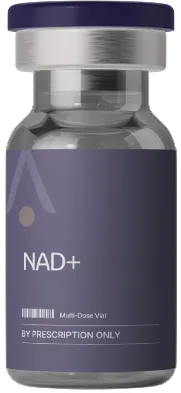
CoreAge Rx lists NAD+ Injectable as a provider-guided compounded treatment. The dispensed label must identify the concentration, route, and individual directions; clinical findings from another NAD+ preparation do not establish the same result for this product. Review the current NAD+ Injectable page and bring a complete medication and supplement list to the provider discussion.
Related reading
- NAD+ Injections: Evidence, Uses, and Questions to Ask
- Reading an NAD+ Injection Label: Milligrams, Milliliters, and Units
- CoreAge Rx NAD+ Injectable: A Product and Evidence Guide
- NAD+ nasal spray versus injections
Educational information; your prescription and clinician’s instructions guide individual care. Product details and linked sources checked September 15, 2026. Studies of another preparation or delivery route do not establish identical results for a finished compounded product. Photographs are illustrative and do not show treatment outcomes.