
Niacinamide is a form of vitamin B3 used in skin-care products for several purposes, including support for oily-skin routines. Some clinical research suggests an effect on measures of facial oil, but that does not mean every niacinamide product will eliminate shine or permanently shrink pores. The formula and the outcome being measured matter.
If you are considering niacinamide, begin with a specific concern: midday shine, recurring clogged pores, irritation from acne treatment, or uneven tone. These concerns can overlap, but they do not all have the same cause or require the same treatment.
Oil, shine, and acne are related but different
Sebum is the skin’s natural oil. The amount produced, the amount present on the surface at a particular moment, and the way the face reflects light are different observations. A mattifying product may reduce visible shine by changing the surface finish without changing oil production.
Acne adds another question. Clogged follicles and inflammation cannot be evaluated solely by how shiny the forehead looks. A person can have noticeable oil with little acne, or acne on a face that also feels dry and irritated from treatment.
Keep those outcomes separate when judging a product. If your goal is fewer blackheads, record blackheads rather than using a less shiny photograph as the only evidence that the acne is improving.
What the niacinamide research found
A 2006 clinical study evaluated a 2% niacinamide moisturizer in two populations. One study found lower sebum excretion, while the other found a reduction in surface sebum without a significant reduction in the excretion measure. The outcomes were not identical across the study groups.
That supports a possible role in oily-skin care while setting limits on the claim. It does not prove universal oil suppression, establish permanent pore changes, or demonstrate that a different-strength product is better. The studied moisturizer is also not the same as every serum or prescription combination containing niacinamide.
Avoid turning the percentage used in a study into a self-prescribed target. Concentration matters within a formulation, but the base, other ingredients, and your tolerance also affect the experience.

Why visible pores need a broader discussion
Pores can look more noticeable with oil, congestion, irritation, and changes in skin firmness. The AAD’s pore guidance recommends gentle care and appropriate treatment of acne. It does not suggest that normal pores can be closed permanently.
Niacinamide may be one supporting ingredient, but a pore concern can require different steps depending on the cause. If the dots are normal sebaceous filaments, aggressive attempts to eliminate them can create unnecessary irritation. If they are blackheads, an acne treatment may be more relevant.
The filament-versus-blackhead guide helps distinguish those situations. It is easier to choose a product when the goal is based on what is actually present.
Do not confuse topical niacinamide with a supplement plan
A skin-care ingredient is used differently from an oral vitamin supplement. The presence of vitamin B3 in a serum does not imply that taking high-dose niacin or niacinamide will reproduce the same skin effect. The compounds, routes, and safety considerations need their own evaluation.
Similarly, a claim about supporting the skin barrier does not establish that a niacinamide product treats a nutritional deficiency or an underlying medical condition. If a clinician suspects a deficiency or another cause of skin changes, that requires an appropriate assessment.
For an oily-skin routine, evaluate the topical product as supplied. Keep the discussion focused on its actual purpose, directions, and evidence rather than extending it to unrelated supplement claims.
Review the formula rather than the front-label number
Niacinamide appears in cleansers, moisturizers, sunscreens, serums, and prescription combinations. You may already use it in several steps without realizing it. Adding a separate serum can duplicate an ingredient without providing a clear additional benefit.
Read the complete labels and list the products together. Ask whether the extra step addresses an unmet goal or simply repeats what is already in the routine. A higher percentage should not automatically be treated as a better choice for sensitive or acne-prone skin.
| Product question | Why it helps |
|---|---|
| Where is niacinamide already present? | Identifies duplication across the routine. |
| What is the intended goal? | Separates shine, acne, comfort, and pigmentation. |
| What other actives are included? | Reveals additional treatment and irritation considerations. |
| Is the strength disclosed? | Prevents assumptions when comparing research. |
| Is the product comfortable to use? | Helps determine whether the routine is sustainable. |

Where Pore Favor fits
Pore Favor lists niacinamide alongside salicylic acid, zinc oxide, and urea. The public ingredient summary does not disclose individual concentrations, so it should not be described as the 2% moisturizer used in the sebum study.
Ask the provider what each ingredient is intended to contribute and whether a separate niacinamide serum is useful. The combination should be assessed as a whole, with the prescribed directions and the rest of your routine in view.
The Pore Favor ingredients guide explains the four components. In particular, zinc oxide in this formula does not establish a tested sunscreen rating, so daytime protection needs its own labeled product.
Build a routine that does not punish oily skin
Repeatedly stripping oil can make the face feel uncomfortable even if it briefly looks matte. Use gentle cleansing and a moisturizer that suits your skin. Avoid adding multiple astringents and exfoliants in an attempt to keep the surface completely oil-free all day.
If acne is present, place the selected acne treatment at the center of the plan. The AAD acne recommendations cover established treatment options. Niacinamide’s supporting role should not delay appropriate treatment for painful lesions or scarring.
The gentle acne routine guide can help organize the steps. A shorter routine with a defined purpose is often easier to evaluate than several overlapping products marketed for pores.
Measure progress without confusing the finish with the biology
If shine is the concern, assess it at a similar time of day and under similar conditions. Freshly washed skin, sunscreen finish, makeup, and exercise can all change the appearance. Note those factors rather than assuming every difference reflects altered oil production.
If congestion is the concern, compare a defined area over time. Record new inflamed lesions separately. If comfort is the goal, note tightness, stinging, and how the face feels during cleansing.
You do not need to reproduce laboratory sebum measurements at home. The useful question is whether the routine improves the concern that matters to you while remaining tolerable. Claims about precise changes in oil production require more than a photograph.
What about dark marks?
Niacinamide also appears in pigmentation research, but pigmentation and oil control are distinct outcomes. A product may be chosen partly for both, yet the evidence should be discussed separately. A flat post-acne mark is not an active blackhead or a depressed scar.
If marks are the main concern, review acne prevention, irritation, and sun protection alongside any brightening ingredient. The niacinamide pigmentation guide addresses that evidence in more detail.
Do not add a strong dark-spot product to an already uncomfortable acne regimen without review. Preventing new inflammation can be as relevant as treating the marks that remain.
Tolerance still matters
Niacinamide is not a guarantee that a finished product cannot irritate. Other ingredients, repeated layering, and the condition of your skin can influence the reaction. Keep a record of new products and avoid introducing several at once when practical.
Stop a newly added product that causes persistent burning, spreading rash, swelling, or blistering and obtain advice. Serious allergic symptoms require urgent care. If the face remains red or itchy despite simplifying the routine, ask whether a condition other than ordinary oily skin needs assessment.
Decide whether the ingredient earns its place
At follow-up, review the original goal, the actual change, and how much complexity the product adds. Ask whether it duplicates another step, whether acne is adequately treated, and whether the benefit is meaningful enough to continue.
Niacinamide can have a reasonable place in an oily-skin routine. The useful claim is modest and specific: it is an ingredient with some relevant evidence that should be judged within its formula. It is not a promise of poreless skin or a reason to keep escalating concentration when the routine is already doing too much.
Explore Pore Favor™
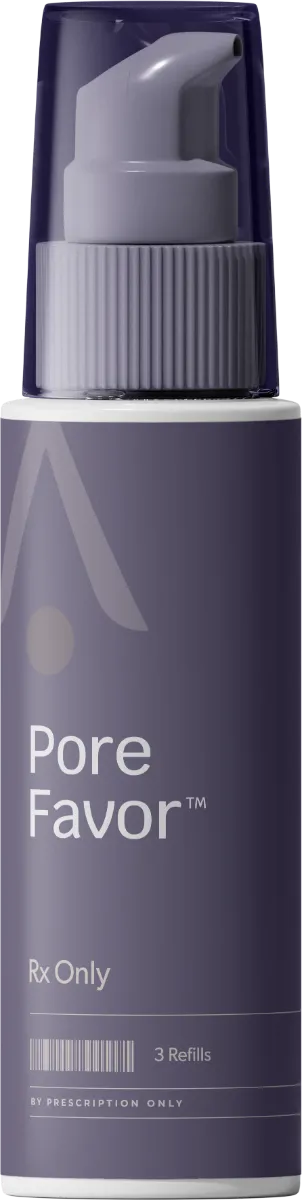
Pore Favor lists salicylic acid, zinc oxide, niacinamide, and urea. The public ingredient summary does not disclose individual concentrations. Use the prescribed formula and directions; zinc oxide in this cream does not establish a tested SPF. Review the current Pore Favor™ page and bring your existing skin-care products to the provider discussion.
Related reading
- Acne and Visible Pores: A Practical Treatment Guide
- Sebaceous Filaments vs. Blackheads: What Is the Difference?
- Building a Gentle Routine for Acne-Prone Skin
- Pore Favor Ingredients: Salicylic Acid, Zinc Oxide, Niacinamide, and Urea
- Dark spots after acne: marks and breakout prevention
Educational information; your prescription and clinician’s instructions guide individual care. Product details and linked sources checked September 15, 2026. Ingredient research does not establish identical results for a finished compounded formula. Photographs are illustrative and do not show treatment outcomes.