
Urea in facial skin care can contribute to hydration and smoother-feeling texture, but concentration and formulation make a major difference. A facial cream containing urea should not be treated as interchangeable with a high-strength product for thick calluses. The same ingredient name can describe very different uses.
If you see urea in a combination such as CoreAge Rx’s Pore Favor, ask what role it serves in that specific formula. The presence of a moisturizing ingredient does not guarantee that every other active will be comfortable, and a public ingredient list may not disclose the concentration needed for a meaningful comparison.
What is urea doing in a skin product?
Urea is a small water-binding molecule associated with the skin’s natural moisturizing system. In topical products, it can help improve hydration. At higher concentrations, its effects on rough, thickened surface skin become more relevant.
The review of urea in dermatology discusses moisturizing, barrier-related, and keratolytic properties. Keratolytic means helping loosen or soften the outer keratinized layer. The balance of those effects varies with concentration and preparation.
This is why describing urea only as an exfoliant or only as a moisturizer can be incomplete. The formula determines the context. For facial use, the intended area, other ingredients, and the state of the skin deserve close attention.
Concentration is useful, but it is not the whole answer
A percentage helps describe the product, but you also need to know whether it is a lotion, cream, ointment, or another preparation, and what else is included. Contact time and application area influence exposure too.
If the concentration is not disclosed publicly, ask the pharmacy or manufacturer. Do not assume a facial combination uses the same strength as a product discussed in a review, or that a high percentage is automatically more effective for your concern.
The goal may be improved hydration rather than aggressive removal of rough skin. Choosing a stronger product for that goal can be a mismatch, particularly when the face is already irritated by acne treatment.
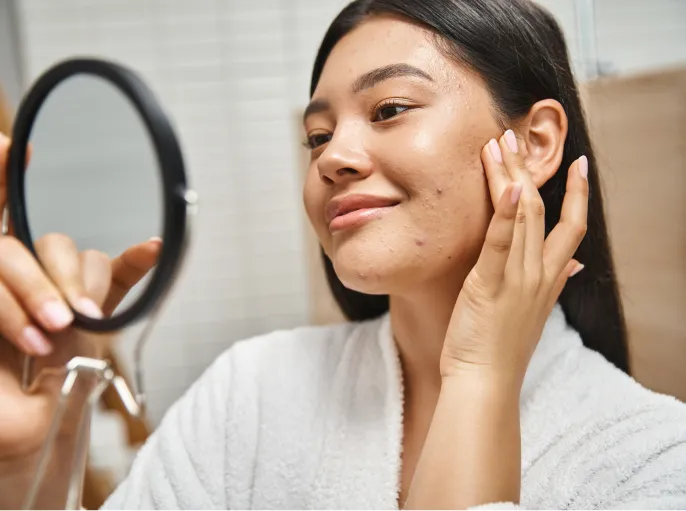
Facial skin and thickened skin need different products
Products intended for calluses, heels, nails, or other thickened areas may use concentrations and vehicles that are inappropriate for the face. Do not use them as substitutes because a facial product containing urea is unavailable.
Read the intended use and warnings carefully. The delicate areas around the eyes and lips require additional caution, and a product approved for general facial use may still have exclusions. Follow the actual label rather than treating the face as one uniform surface.
If a prescription is involved, confirm the treatment area with the provider. Do not expand application to new areas simply because dryness looks similar elsewhere.
Understand hydration, smoothing, and acne as separate goals
Urea may support comfort and texture within a formulation, but its presence does not make that formula a complete acne treatment. Acne involves follicular blockage and inflammation, which may require other established therapies.
Likewise, smoother-feeling skin after cream does not demonstrate that blackheads have cleared. Hydration can change the surface while acne lesions remain. Track those outcomes separately so the product is not credited with an effect you have not actually observed.
| Goal | Useful way to evaluate it |
|---|---|
| Less dryness | Notice tightness, roughness, and comfort during washing. |
| Smoother surface | Compare the same area without aggressive rubbing or exfoliation. |
| Acne improvement | Track actual lesions and new breakouts. |
| Better treatment tolerance | Record whether prescribed use remains comfortable. |
| Less visible shine | Assess finish separately from acne and hydration. |
Why oily skin can still need moisture support
Oil on the surface does not prevent irritation from cleansing or active treatments. A person with acne can have a shiny forehead and dry, stinging cheeks at the same time. Treating the whole face as if it needs maximum drying may worsen that mismatch.
The AAD’s moisturizer guidance emphasizes choosing a formula suited to the skin and its needs. A comfortable texture can help make a prescribed acne regimen easier to maintain. It does not need to leave the skin greasy to provide useful support.
If you are unsure whether a separate moisturizer is needed with a combination cream, ask the prescriber. The answer depends on the formula and your experience, not simply on the presence of urea in the ingredient list.
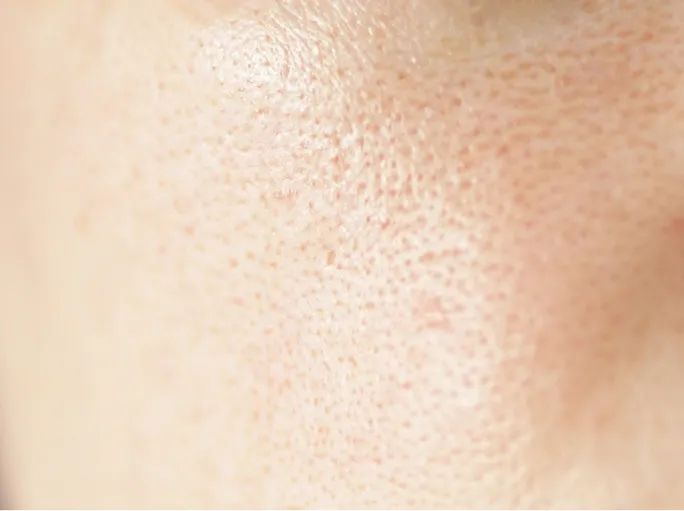
What Pore Favor discloses
Pore Favor lists salicylic acid, zinc oxide, niacinamide, and urea. Its public ingredient summary does not state the individual concentrations. That means the urea percentage should not be invented from common cosmetic ranges or from a different product.
Ask what urea is intended to contribute in the dispensed formulation and whether a separate exfoliant should remain in the routine. Salicylic acid already introduces an exfoliating acne ingredient, so additional acids may duplicate part of the plan.
The Pore Favor ingredient guide reviews the complete combination. The salicylic acid and sensitive-skin guide explains why supporting ingredients do not automatically prevent cumulative irritation.
Keep the surrounding routine simple
Use a gentle cleanser and avoid scrubbing flakes off the face. If dryness is a concern, the AAD’s dry-skin advice supports fragrance-free care and avoiding harsh washing. Persistent symptoms may need assessment rather than another exfoliating step.
Review masks, toners, brushes, and peels alongside daily products. A weekly treatment can contribute to irritation even if the everyday routine seems mild. Keep a list of ingredients and frequency so the clinician can see the whole pattern.
Do not mix urea powder or another active into a prescription cream. Use the prepared formulation according to its directions. Homemade adjustments change concentration and handling in ways that are not addressed by the original label.
Tolerance can change with the condition of the skin
A product that feels comfortable on intact skin may sting on irritated or cracked areas. The urea review notes that adverse effects are more common at higher concentrations, but concentration is only one factor. The rest of the formula and the application site also matter.
Tell the provider about eczema, rosacea, prior reactions, and recent procedures. Ask before applying to broken or newly treated skin. If you have a known allergy to another component of the formula, the presence of urea does not remove that concern.
Stop a newly introduced product that causes persistent burning, swelling, blistering, or a spreading rash and seek advice. Severe allergic symptoms require urgent care. Do not treat substantial discomfort as a necessary step toward smoother skin.
How to review a result fairly
Record the original concern before starting. For dryness, note when tightness occurs and whether ordinary cleansing is comfortable. For texture, use consistent photographs and avoid comparing freshly moisturized skin with a dry baseline as if nothing else changed.
Keep track of other changes in the regimen. If you stop a harsh cleanser and add a urea-containing cream on the same day, improvement may reflect both changes. That is still useful, but it does not isolate one ingredient’s contribution.
At follow-up, ask whether the product meets the intended goal and whether continued use makes sense. If roughness persists, the clinician may need to reconsider the cause rather than simply increase exfoliation.
Storage and handling belong to the specific product
Keep the preparation in its original container and follow the label. Do not assume that all urea products require the same storage conditions. For a compounded cream, the pharmacy’s beyond-use date and handling instructions are the relevant reference.
Report unexpected changes in texture, smell, appearance, or dispensing behavior. Do not add water to loosen a thickened product or transfer it into an unmarked jar. The pharmacy can advise whether a change is expected and what to do next.
A useful way to think about urea
Urea is a versatile ingredient whose role depends on the preparation. In a facial routine, the best question is not how strong you can make it, but whether the formula supports the specific goal while remaining comfortable.
For Pore Favor, discuss urea alongside salicylic acid, niacinamide, and zinc oxide. A clear understanding of the whole product makes it easier to avoid duplicate steps and judge the result honestly. Hydration support and acne treatment can work within the same routine while remaining distinct outcomes.
Explore Pore Favor™
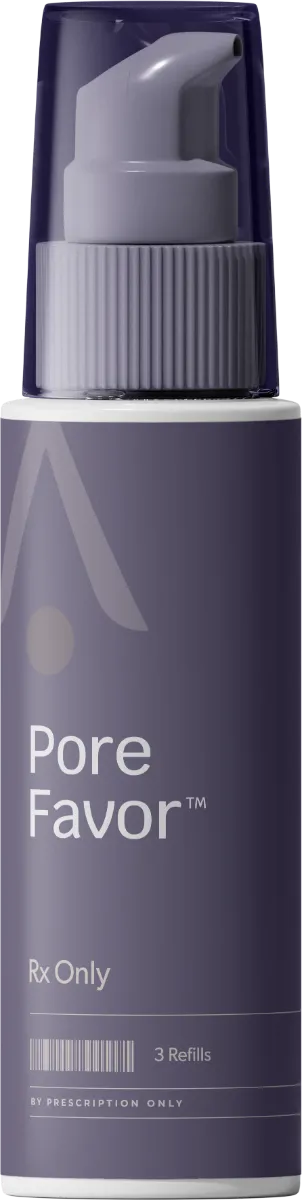
Pore Favor lists salicylic acid, zinc oxide, niacinamide, and urea. The public ingredient summary does not disclose individual concentrations. Use the prescribed formula and directions; zinc oxide in this cream does not establish a tested SPF. Review the current Pore Favor™ page and bring your existing skin-care products to the provider discussion.
Related reading
- Acne and Visible Pores: A Practical Treatment Guide
- Salicylic Acid and Sensitive Skin: Avoiding an Irritation Cycle
- Building a Gentle Routine for Acne-Prone Skin
- Pore Favor Ingredients: Salicylic Acid, Zinc Oxide, Niacinamide, and Urea
- Dark spots after acne: marks and breakout prevention
Educational information; your prescription and clinician’s instructions guide individual care. Product details and linked sources checked September 15, 2026. Ingredient research does not establish identical results for a finished compounded formula. Photographs are illustrative and do not show treatment outcomes.