Inulin is a fermentable fiber found in some plants and used in foods and supplements as a prebiotic ingredient. The amount matters: the presence of inulin on a label does not establish the same result as a study using a much larger, specified dose.
What “prebiotic” adds to the description
A prebiotic is a substrate used by microorganisms in a way that benefits the host. It is different from a probiotic organism. NCCIH’s overview explains that distinction, which is useful when a formula contains both microbial ingredients and fiber.
Inulin can be fermented by gut microbes. That is part of why it is studied, but it can also be relevant to gas and tolerance. More fermentation is not automatically better for every person’s symptoms.
What a human study actually used
A 2019 report of two crossover trials studied 10 g per day of native chicory inulin for five-week periods. Results differed between the two trials; the combined analysis of participants with low stool frequency suggested an improvement.
The population, daily amount, and study limitations all matter. The result should not be simplified to “any inulin dose relieves constipation,” or applied directly to a combination capsule with a different amount.

Compare milligrams and grams
CoreAge Rx’s GLP-1 Support page lists 211 mg chicory inulin, which equals 0.211 g. That is substantially less than the 10 g daily amount in the study described above. This comparison explains the evidence gap; it is not a recommendation to take additional capsules or to aim for that study dose.
Increasing capsules would also increase every other ingredient in the formula. Do not use a study of one fiber to design an untested high-serving regimen of a bacterial blend.
Consider the rest of your intake
Inulin may appear in bars, drinks, foods, and other supplements. If you start several products together, the combined amount and your tolerance can be difficult to assess. Read the labels and note what changed before attributing every symptom to one ingredient.
Our probiotic-bloating guide can help organize a symptom record. If you have IBS or another digestive condition, ask a clinician or dietitian how fermentable ingredients fit your individual plan.
Keep the goal and evidence aligned
If your goal is general food fiber, review meals first. If it is persistent constipation, discuss the appropriate approach rather than assuming a small prebiotic amount replaces a bowel-care plan. The fiber supplement guide explains the broader comparison.
For GLP-1 Support, the inulin amount is one disclosed part of a multi-ingredient product. Read the full ingredient guide and prebiotic-versus-probiotic comparison before interpreting that single ingredient as proof of a finished-product benefit.
Separate an ingredient’s presence from its studied amount
An ingredient can be present in a formula without being present at the amount used in a particular trial. This is a basic but important distinction for inulin, because product labels may report milligrams while studies may use grams.
The right question is not only “Does it contain inulin?” It is also “How much, in what preparation, and for which outcome?” A named ingredient provides a starting point for identification, while the amount and research details determine how meaningful the comparison is.
For GLP-1 Support, the reviewed page lists 211 mg chicory inulin. That equals 0.211 g. The conversion is useful because it places the label and a gram-based study in the same unit without pretending they represent the same exposure.

Read the 2019 trials with their limits intact
The cited report described two crossover trials using 10 g daily of native chicory inulin during five-week periods. Results differed between the trials, while the combined analysis in participants with low stool frequency suggested improvement.
A crossover design compares interventions within a structured study arrangement, but the result still depends on the participants, preparation, amount, and outcomes. The finding should not be simplified into a promise that any inulin-containing capsule relieves constipation.
The original report is informative about the tested intervention. It does not establish a clinically equivalent effect from 0.211 g in a combination product. That difference should remain visible when the research is discussed alongside the product.
Use the unit conversion without turning it into a dosing calculator
There are 1,000 mg in 1 g, so dividing 211 by 1,000 gives 0.211 g. This arithmetic describes the listed amount. It does not establish that you should take enough capsules to approach a separate study’s inulin dose.
Increasing GLP-1 Support would also increase its microbial ingredients, resistant starch, and other formula components. A trial involving an isolated fiber cannot authorize a high-serving regimen of a different multi-ingredient product.
The reviewed directions specify one capsule daily. If your actual goal requires a known fiber amount, discuss an appropriate food or supplement plan with a clinician or dietitian. Do not use a unit conversion to override the product’s intended routine.
Count the other sources in the day
Inulin can appear in foods, bars, drinks, and other supplements. A person may add several such products without realizing that the same ingredient appears repeatedly. Read the panels and record the amounts where disclosed.
If individual amounts are not available, note that limitation. Do not assume the amount is zero or identical across products. A food marketed for protein, a greens drink, and a prebiotic powder can still contribute to the same overall routine even though their front labels emphasize different purposes.
This is especially useful when symptoms begin after several new products. The combined change may be more relevant than any single serving. A concise ingredient-and-symptom record can support a professional review without requiring a complete reconstruction of every meal.
Fermentation is a mechanism, not a guarantee of comfort
Inulin’s fermentability is part of why it is studied as a prebiotic substrate. It can also be relevant to gas and tolerance. More fermentation should not automatically be described as better for every person’s symptoms.
If you have IBS or another digestive condition, discuss how fermentable ingredients fit the individualized plan. Do not assume a general prebiotic claim overrides a clinician-directed dietary strategy. Likewise, do not remove many foods solely because one product containing inulin was uncomfortable.
Persistent pain, significant diarrhea, or other concerning changes deserve assessment. The probiotic-bloating guide helps distinguish the microbial and fiber components of a combination routine when describing symptoms.
Match the next step to the purpose
If the purpose is general dietary fiber, start with usual meals and an appropriate intake goal. If the purpose is constipation, the symptom pattern and clinical context matter. If the purpose is evaluating a prebiotic claim, compare the exact ingredient and amount with suitable evidence.
These goals may lead to different choices. A low-dose ingredient in a bacterial blend may be a disclosed part of the formulation without being an adequate substitute for a broader fiber plan. The fiber guide explains how to compare that broader need.
Ask what information would make the decision clearer. A manufacturer can clarify product composition, while a clinician or dietitian can help assess suitability and the plan. Neither role is replaced by assuming all products using the same ingredient name are interchangeable.
A practical comparison table
| Detail | Inulin study question | Product-label question |
|---|---|---|
| Identity | Which inulin preparation was tested? | Which ingredient is listed? |
| Amount | How many grams per day? | What amount is disclosed per serving? |
| Duration | How long was it used? | What routine does the label direct? |
| Population | Who participated? | Does that resemble the intended use? |
| Outcome | What changed and what did not? | Is the same benefit being claimed? |
| Combination | Was inulin studied alone or with other components? | What else changes with each serving? |
The table makes the evidence gap concrete. A shared name can coexist with substantial differences in amount and formulation.
Frequently asked questions
Is 211 mg the same as 2.11 g?
No. It equals 0.211 g. Moving the decimal incorrectly can greatly overstate the listed amount. Keep units explicit when comparing a product with research.
Does the inulin amount replace my daily fiber needs?
The listed 0.211 g is not a complete daily fiber intake. Review food sources and any clinician-directed plan separately. A small prebiotic ingredient should not be counted as a full nutrition strategy.
Should I take extra GLP-1 Support to obtain more inulin?
Do not exceed the current directions for that purpose. Extra capsules increase the whole formula, and isolated-inulin research does not establish the appropriateness of that change.
Does gas prove the prebiotic is helping?
Gas is a symptom, not a validated personal measure of benefit. Review tolerance and the actual goal. Persistent or significant symptoms should not be dismissed as proof that the product is working.
Explore GLP-1 Support™
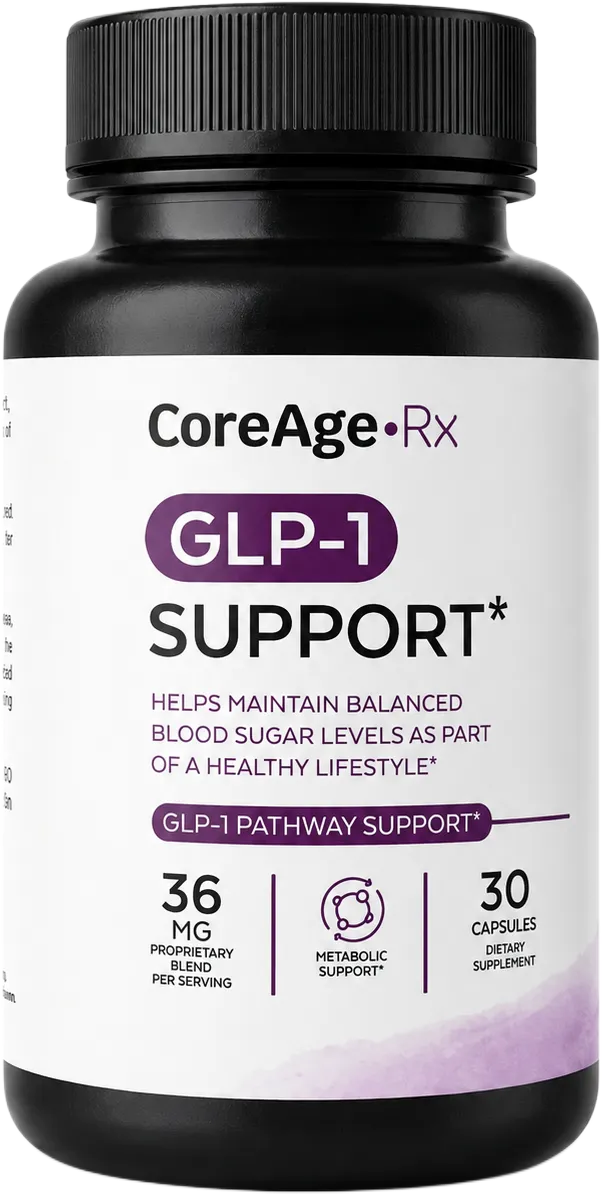
CoreAge Rx GLP-1 Support combines the three listed bacterial species with chicory inulin and potato resistant starch. It is a dietary supplement; it does not replace a GLP-1 prescription. See the current GLP-1 Support™ page and check the bottle you receive before use.
Related reading
- GLP-1 Support Supplements: Ingredients, Evidence, and Expectations
- Probiotics vs. Prebiotics: How They Differ
- Resistant Starch and Gut Health: Foods, Supplements, and Amounts
- How fiber supplements differ from probiotic products
Educational information, not individualized medical advice. Product information and linked research checked September 15, 2026. Ingredient research does not establish identical effects for a finished supplement.