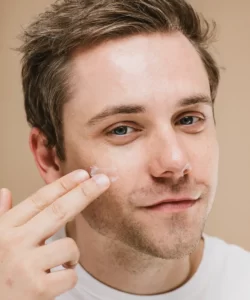
Copper-peptide creams should be added after a skin procedure only when the treating clinician approves the specific product and timing. A cream used comfortably on intact skin may be unsuitable immediately after a peel, laser treatment, microneedling, or surgery. The procedure changes the context in which the product is applied.
Research about tissue repair can make a peptide product sound like an obvious aftercare choice. In practice, the important questions are what procedure was performed, how the skin is healing, and what the clinician has instructed you to use. A routine cosmetic claim does not establish post-procedure suitability.
Why the procedure changes the decision
Different procedures affect skin differently. Some primarily produce temporary redness or sensitivity; others disrupt the surface more substantially. Even procedures with the same general name can vary by device, settings, treatment depth, area, and individual healing response.
That means an aftercare plan cannot be borrowed safely from a friend who had a different treatment. It also explains why the same person may receive different instructions at separate visits. The relevant plan is the one written for the procedure you actually received.
The skin’s condition matters as much as the calendar. An area that remains open, crusted, unusually painful, or increasingly red needs a different assessment from skin that has recovered as expected. Do not use a fixed number of days from an online routine as the only criterion for restarting actives.
What copper-peptide research contributes
GHK-Cu research includes laboratory and experimental work on tissue remodeling. The 2018 research review describes the biological rationale for interest in repair. A review focused on topical GHK discusses limited clinical information and delivery challenges.
These sources do not establish that every copper-peptide cream should be applied after every procedure. Studies may involve a different peptide, vehicle, route of delivery, or clinical setting. A finding about a biological pathway is not an aftercare protocol for a pharmacy-dispensed facial cream.
This distinction matters particularly when research discusses methods that enhance penetration. It is not an invitation to use at-home needling, abrasion, or other techniques to push a routine product more deeply into skin. Delivery experiments require their own evidence and controls.
Bring the exact product to the pre-procedure visit
If you already use Bounce Back or another active cream, list it before the procedure. Include the complete name, ingredient information, and how often you apply it. The clinician should also know about retinoids, exfoliating acids, acne treatments, pigmentation products, and any recent reactions.
Ask whether the product should be stopped beforehand and when it may be considered afterward. The answer can depend on the procedure and the product’s full formula. Do not assume that a peptide label exempts it from the discussion.
If the provider asks for pharmacy details that are not on the public page, obtain them from the dispensing pharmacy. Guessing the base ingredients or using a similar brand’s ingredient list can create a misleading picture.
Questions to resolve before treatment day
| Question | Why it belongs in the plan |
|---|---|
| What should I use to cleanse the area? | Procedure-specific instructions may differ from everyday washing. |
| Which moisturizer or protective product is approved? | The full formula must suit the treated skin. |
| When can I resume sunscreen, and which type? | Sun protection needs to fit the procedure and healing stage. |
| Which actives should remain paused? | Familiar treatments may need a different restart schedule. |
| What signs mean I should contact the clinic? | Expected recovery and concerning changes can overlap superficially. |
| Is this exact copper-peptide cream acceptable? | Ingredient research does not answer product-specific aftercare questions. |
Save the written instructions somewhere easy to access. Keep the clinic’s contact details and any after-hours guidance with them. It is easier to resolve uncertainty when the plan is available than when you are trying to remember what was said during a busy appointment.

Keep recovery care simple and traceable
Use the products approved for the recovery period. Adding several optional serums can make it difficult to determine why the skin becomes uncomfortable. A product introduced during healing also becomes another variable if a rash or delayed recovery needs assessment.
Keep each product in its original container, follow its handling instructions, and avoid transferring it into an unmarked jar. Do not share a prescribed cream. Follow the clinic’s instructions about touching the area and applying products rather than improvising a technique.
Avoid scrubbing flakes or removing crusts to create a smoother surface for cream. If the appearance seems unusual, contact the clinic. A cosmetic goal should not dictate how a healing area is handled.
Restarting an active is a separate decision
Once recovery is progressing, ask whether the clinician wants products resumed one at a time. A staged return can make reactions easier to interpret, but the details should follow the procedure-specific plan. Do not use a universal schedule for acids, retinoids, peptides, and pigment treatments.
Confirm the area as well as the timing. A product may be appropriate on untreated skin while still unsuitable on the treated zone. Areas around the eyes or lips can require additional restrictions, so a general instruction to resume facial care may need clarification.
If the skin reacts after restarting a product, report what you used, when you used it, and what happened. Do not assume every post-procedure symptom is caused by the new cream, but do not dismiss the connection either. A clear timeline helps the treating clinician decide what to do next.
Where Bounce Back fits
Bounce Back lists copper peptide 2% and is presented as a provider-guided skin-care treatment. Its everyday use directions do not create a blanket recommendation for fresh procedure sites. The treating clinician should approve the exact dispensed preparation before it is used during recovery.
Ask whether the goal would be ordinary moisturizing support, a later cosmetic treatment, or something else. If the clinician does not recommend it during the early recovery period, retain the product according to its storage directions and revisit use at the appropriate time.
For routine care after the skin has returned to its usual condition, see the copper-peptide guide. The barrier recovery article discusses everyday irritation, which should still be distinguished from procedure-specific healing.
Photographs can support a call, but should not delay it
If the clinic asks for an image, use clear, unfiltered photographs in ordinary light. Include the whole treated area and a closer view if requested. State the procedure date, when the change began, and whether pain, warmth, drainage, or swelling is increasing.
Do not repeatedly apply products or manipulate the area to make the photograph more informative. Follow the clinic’s instructions while waiting for a response. If symptoms are urgent, seek care rather than waiting for an asynchronous photograph review.
Keep a brief record of the approved products used that day. That record can be more useful than a long description of what you think the tissue is doing biologically.
Concerning changes deserve prompt assessment
Increasing pain, spreading redness, unusual warmth, pus, fever, or worsening swelling may require prompt evaluation. Eye symptoms, severe facial swelling, or breathing difficulty can require urgent medical care. The treating clinician’s procedure-specific warning signs should be followed closely.
Do not attempt to treat a suspected infection or significant reaction with extra copper-peptide cream. A product associated with repair research is not an antibiotic and is not a substitute for assessment. Similarly, adding a steroid or another prescription product without guidance can complicate the picture.
Protect results after the recovery period
Once the clinician permits ordinary sun protection, maintain the recommended sunscreen, clothing, and shade habits. The AAD sunscreen guidance recommends broad-spectrum SPF 30 or higher for routine protection. The post-procedure timing and specific products still come from the treating clinician.
Longer-term skin care can then be reviewed around your actual goals: comfort, pigment control, acne treatment, or texture. Each active should have a defined role. Copper peptides may be part of that discussion, but the procedure’s recovery plan comes first.
The useful principle is simple: choose aftercare by the procedure, the state of the skin, and product-specific instructions. Keep experimental repair claims separate from the concrete plan you were given, and ask the treating team before adding anything that changes that plan.
Explore Bounce Back™
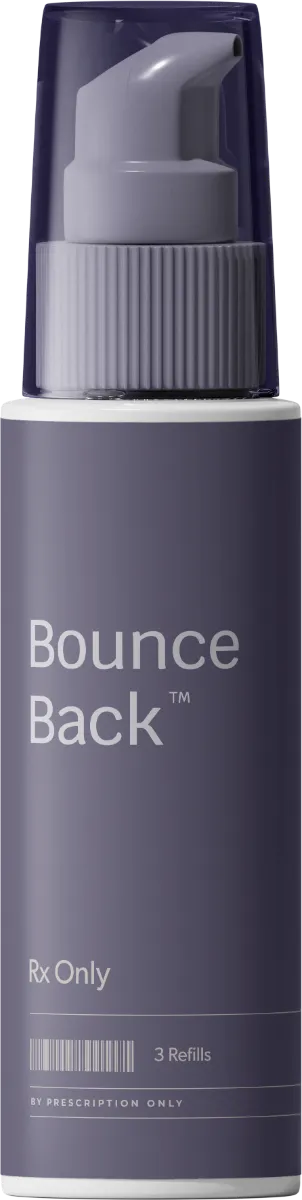
Bounce Back lists copper peptide 2%. Confirm the precise peptide identity, complete formulation, and directions with the dispensing pharmacy and prescribing provider. Review the current Bounce Back™ page and bring your existing skin-care products to the provider discussion.
Related reading
- Copper Peptides for Skin: Evidence, Uses, and Routine Basics
- A Skin Barrier Recovery Routine: Gentle Care and When to Get Help
- Copper Peptides and the Skin Barrier: What to Know
- Bounce Back Copper Peptide Cream: A Product and Evidence Guide
- Tretinoin for fine lines: evidence and daily care
Educational information; your prescription and clinician’s instructions guide individual care. Product details and linked sources checked September 15, 2026. Ingredient research does not establish identical results for a finished compounded formula. Photographs are illustrative and do not show treatment outcomes.