
Weight management after 40 often feels different because life, sleep, activity, health, and body composition may have changed. A routine that fit your twenties may no longer fit your workday or recovery needs. That does not mean your body has suddenly stopped responding or that a special “over-40” diet is required.
The most useful approach is to examine what has changed for you. Some changes are practical, such as more sitting or fewer regular meals. Others may involve medicines, menopause symptoms, pain, or a medical condition. Understanding the pattern helps you choose a response instead of assuming age explains everything.
There is no universal metabolic cliff at 40
A large 2021 study of energy expenditure across the lifespan found that expenditure adjusted for body composition was broadly stable between about ages 20 and 60, with a decline later in life. That finding challenges the simple claim that everyone’s metabolism suddenly slows at 40.
It does not mean your personal energy needs are identical at 25 and 50. Body size, muscle mass, activity, and health can change, and the study describes population patterns rather than predicting one person’s future. The practical lesson is to investigate the actual change. “I am over 40” is useful context, but it is not a complete explanation or a reason to give up.
Compare current routines with earlier ones
Think about ordinary movement: commuting, stairs, errands, household work, and time spent standing. A move to desk work can change the day even if your formal workout schedule stays the same. Likewise, caring for children or parents can change meal timing and sleep opportunity.
Write down two or three concrete differences from the period when your routine felt easier. Avoid relying on a vague impression that you eat “exactly the same.” The point is not to catch yourself doing something wrong. It is to identify a change that can be addressed, such as protecting a lunch break, adding a comfortable walk, or making dinner less dependent on late-night preparation.
Give strength and function a place in the plan
Body weight alone does not show how much muscle or fat you have. NIDDK notes that changes in muscle, bone, and body fat can occur with aging even when BMI changes little. This is one reason to include function alongside the scale.
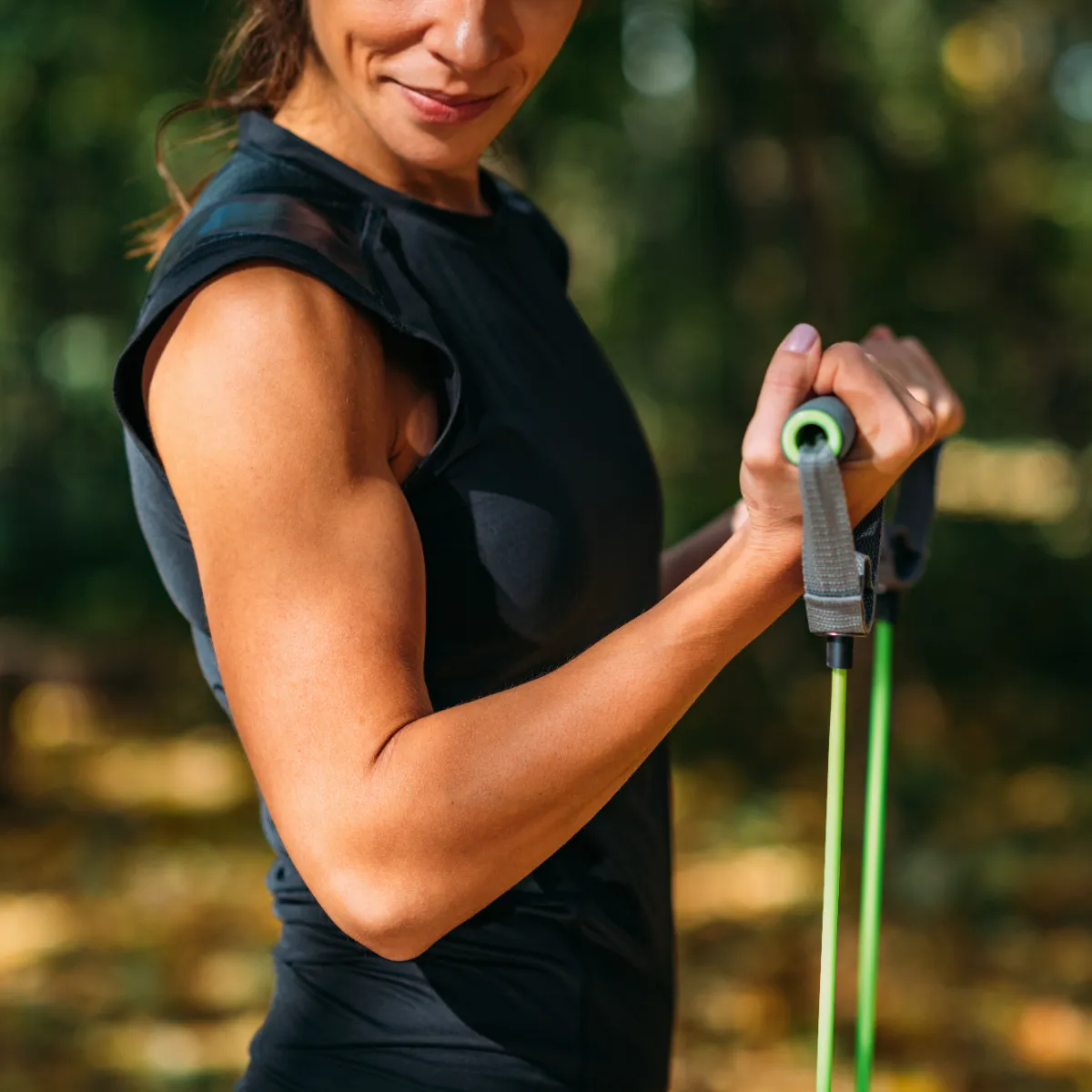
Examples of useful function goals include carrying groceries more comfortably, rising from a chair with greater confidence, or improving an exercise with good form. Adult activity guidance includes muscle strengthening on at least two days weekly. If you are new to training, begin with an appropriate level and build gradually. Our beginner strength guide explains how to choose a manageable starting routine.
Review sleep before adding more demands
Work, caregiving, nighttime symptoms, and changing schedules can all reduce sleep. If you already feel exhausted, an ambitious early-morning workout plan may compete with a need that has not been met. Look for a combination of sleep and activity that you can sustain.
Ask whether you are sleeping long enough and whether you feel refreshed. Persistent snoring, gasping, repeated awakenings, or significant daytime sleepiness deserves discussion. Sleep and weight management explains why sleep matters without promising that it will solve weight changes. Sometimes the priority is a sleep evaluation; sometimes it is sharing evening responsibilities so there is a realistic chance to rest.
Menopause can be part of the conversation
For someone approaching or going through menopause, changing symptoms and routines may be relevant. Night sweats, sleep disruption, and changes in how clothing fits can prompt questions about body composition and health. These concerns deserve a specific discussion rather than a generic “hormone reset” product.
Our guides to menopause hormone therapy and HRT and body composition examine that topic separately. Hormone treatment decisions should be based on symptoms, benefits, risks, and medical history. A weight-management goal alone does not establish that hormone therapy is appropriate, and hormone care does not remove the need to consider nutrition, activity, sleep, and other causes of symptoms.

Do not diagnose a hormone problem from fatigue alone
Fatigue and weight change can have many explanations. They are not enough by themselves to diagnose low testosterone, an underactive thyroid, or another endocrine condition. A clinician can use the timing, associated symptoms, examination, and targeted tests to decide what needs investigation.
NIDDK explains that hypothyroidism cannot be diagnosed from symptoms alone, because common symptoms overlap with other conditions. If you are wondering about testosterone, our symptoms and testing guide explains that assessment. Avoid treating a broad symptom list as proof that you need a supplement or hormone prescription. The aim is to answer a clinical question, not accumulate tests without a plan for interpreting them.
Check medicines and recent health changes
A new medicine, dose change, injury, or period of illness may coincide with weight or appetite changes. Bring a complete list of prescriptions, nonprescription products, and supplements to a review. Include when each change occurred if you can.
NIDDK lists several medicine classes and health conditions that can influence weight. Do not stop a useful treatment on your own because it might be contributing. A prescriber can consider alternatives or monitoring while protecting the condition being treated. If movement became difficult after an injury, rehabilitation or an adapted activity plan may be more useful than trying to force your previous exercise routine.
Update meals for the life you have now
A sustainable meal pattern should match your current schedule, appetite, budget, and medical needs. That may mean simpler meals, more reliable lunch options, or a different approach to portions. It does not require abandoning culturally familiar foods or buying an age-specific nutrition program.
Include a variety of foods and regular opportunities to eat. A protein food, produce, and a grain or starchy food can provide a practical starting structure, adapted to your needs. The balanced-meal guide offers examples. If you are eating very little but feel weak, hungry, or preoccupied with food, seek a nutrition review rather than assuming more restriction is the necessary next step.
Choose movement that respects pain and recovery
The most effective plan on paper is not useful if you cannot repeat it comfortably. Walking, cycling, swimming, resistance exercises, and adapted movement are different options. You can choose based on access and preference, not on a claim that one activity is mandatory after 40.
Start with your current ability. Increase one part of the routine at a time and allow recovery. New or persistent pain deserves attention, especially if it changes how you move. A qualified trainer, physical therapist, or clinician can help with modifications when needed. Progress might mean being able to do an activity more often or with less difficulty before it means doing it harder.
Set expectations around health and consistency
A useful goal could involve blood pressure, glucose, strength, sleep, or a more comfortable daily routine. If weight loss is appropriate, discuss a realistic range and review period with your clinician. The goal does not need to reproduce a weight from a different stage of life.
CDC emphasizes achievable goals and regular reassessment. A plan that steadily improves routines may be more valuable than a short push followed by exhaustion. Track a few measures that answer your actual concern. For example, if stairs were the problem, note how stairs feel; if a blood test prompted the visit, arrange appropriate follow-up for that result.

A practical two-week review
For the first week, notice meal timing, sleep opportunity, comfortable movement, and symptoms. Choose one barrier that appears repeatedly. During the second week, test one change: a dependable lunch, a brief walk, an adapted strength session, or help with an evening task.
This is an observation exercise, not a promise of measurable fat loss in two weeks. At the end, ask whether the change was realistic and whether it improved the problem. If unexplained symptoms persist or you need a broader plan, use the first-visit guide to prepare. You do not need to solve everything independently before seeking support.
Common questions after 40
Do I need to avoid carbohydrates now? Age alone does not create a universal need to remove an entire food group. Individual medical needs and the overall eating pattern matter.
Is it too late to start strength training? Starting level and appropriate progression matter more than having trained earlier in life. Get guidance when pain, balance, or medical conditions affect the plan.
Should I focus only on belly fat? Abdominal size can contribute to a health assessment, but it does not tell the whole story. Our belly-fat guide explains the limitations.
What is the most useful mindset? Treat changes as information. Review the life and health circumstances you have now, choose practical actions, and seek targeted care where needed. A birthday does not remove your options.
Related reading
- Weight Loss Basics: Understanding Appetite, Habits, and Health
- Sleep and Weight: How Rest Fits Into Weight Management
- Insulin Resistance and Weight: Symptoms, Testing, and Everyday Questions
- BMI, Waist Size, and Health: What the Numbers Can Tell You
- Sustainable Weight-Loss Habits: A Practical Starting Guide
- When to Seek Help With Weight Management
Educational information for adults. Individual goals and health concerns can be discussed with a qualified clinician or registered dietitian. Sources checked September 16, 2026. Photographs are illustrative and do not show weight-loss outcomes.