Tretinoin is a prescription retinoid with clinical evidence for improving some features of photoaged skin, including fine lines and uneven texture. Results are gradual, and the treatment does not erase every wrinkle or replace sun protection. The most useful plan combines a realistic cosmetic goal with directions that your skin can tolerate consistently.
For a combination such as CoreAge Rx’s Smooth Move, the exact dispensed strengths and instructions matter. Evidence for tretinoin does not automatically establish the same result for every cream containing it. This guide explains the research, the routine discussion, and how to evaluate progress without using irritation as a measure of effectiveness.
What photoaging means
Photoaging refers to skin changes associated with cumulative ultraviolet exposure. Fine lines, uneven pigmentation, and changes in texture can be part of that picture. Ordinary aging, facial expression, anatomy, and other factors also influence how the face looks.
That means not every line has the same cause or responds the same way. A crease related mainly to surface dryness is different from a deep expression line or marked laxity. A topical treatment should be assessed against the feature it can reasonably address.
Ask the clinician to help define the goal. A modest improvement in fine texture is a clearer target than reversing aging or obtaining a lifted face. The discussion should include the limits as well as the possible benefit.
How tretinoin differs from a moisturizer
Tretinoin is retinoic acid, a member of the vitamin A-related retinoid family. It has biological activity relevant to skin-cell turnover and is used in prescription treatment. A moisturizer primarily supports hydration and surface comfort through its formulation.
Both can affect the appearance of fine lines, but in different ways. A moisturized surface may look smoother soon after application. That immediate change should not be described as proof of tretinoin-driven remodeling.
The AAD’s retinoid overview explains the family and its uses. The moisturizer-layering guide discusses how supporting care can fit around a prescription without confusing the roles.
What the clinical evidence shows
A two-year randomized trial studied a specific 0.05% tretinoin emollient cream in 204 participants with facial photodamage. It found greater improvement than vehicle in several assessed signs of photodamage. This supports tretinoin’s evidence base while remaining specific to the preparation and study population.
A systematic review of photoaging trials also describes benefits and common local irritation. Across studies, formulations, durations, and measures vary. The evidence is stronger than a before-and-after anecdote, but it still does not guarantee a particular person’s result.
Do not compare percentages across unrelated ingredients or assume a stronger formula will produce a proportionally better outcome. The clinician should choose the preparation in the context of your skin, prior treatment, and ability to use it comfortably.
Define a realistic outcome
| Concern | Useful expectation discussion |
|---|---|
| Fine lines | A gradual, variable improvement may be possible. |
| Surface dryness lines | Moisturizer and irritation management may make an important contribution. |
| Uneven texture | Assess a defined area under consistent conditions. |
| Deep folds or marked laxity | Discuss the limits of topical treatment. |
| New or changing lesion | Obtain assessment before treating it as ordinary photoaging. |
You do not need to turn normal facial features into a treatment problem. If a cosmetic concern bothers you, the plan should make the likely benefit and effort clear enough for an informed choice.
Results take time
MedlinePlus’s tretinoin information describes gradual fine-line results, potentially taking several months to become noticeable. That is different from a promise that every person will improve by a particular date. Acne and photoaging goals also have different timelines.
Take a baseline photograph if appearance is the goal and agree on a review point. Avoid judging the treatment only in the first few days, when dryness and changes in the cream’s finish can dominate what you see.
Do not increase the amount or frequency to accelerate progress. More exposure can increase irritation and make the routine harder to maintain. The results timeline guide explains how to follow progress more fairly.
Build the routine around the prescription
Follow the amount, frequency, application area, and skin-preparation instructions on the dispensed label. Many tretinoin routines involve evening use, but your actual directions are the reference. Ask how long to wait after cleansing if that detail is relevant to your preparation.
Keep cleansing gentle and use a moisturizer that suits the plan. Review other active products before layering them, including acids, retinol creams, acne treatments, and peels. A prescription should not be added automatically to every existing step.
The starting tretinoin guide provides a practical consultation checklist. A simple, clearly scheduled routine is easier to assess than several overlapping treatments introduced at once.
Sun protection is part of the long-term plan
The AAD recommends broad-spectrum SPF 30 or higher, supported by clothing and shade. Tretinoin should not be used as a reason to accept more ultraviolet exposure, and it does not replace sunscreen.
Choose a protection step that is comfortable and practical. If sunscreen stings, pills, or leaves an unwanted finish, discuss the formula and the rest of the layers. Do not mix sunscreen into the prescription cream to make application easier.
The tretinoin and sunscreen guide explains how to coordinate the routine. Consistent protection remains useful even when the cosmetic response to tretinoin is still being assessed.
Where Smooth Move fits
Smooth Move lists tretinoin, niacinamide, and vitamin C. The public ingredient summary does not disclose the individual strengths or vitamin C form. Confirm those details with the pharmacy when reviewing the prescription or comparing it with research.
The presence of supporting ingredients does not guarantee that the formula cannot irritate. Nor does it mean a separate vitamin C serum or niacinamide product is automatically necessary. Ask what each step adds to the plan.
The Smooth Move ingredients guide and combined-formula discussion explain how to keep ingredient evidence separate from claims about the finished preparation.
Peeling is not the goal
Dryness, scaling, and irritation can occur with tretinoin. They are not a required measure of progress, and more peeling does not mean more benefit. A routine that repeatedly leaves the face painful needs review.
Contact the clinician for persistent or severe symptoms and follow their instructions about adjusting treatment. Stop a newly introduced product that causes a marked rash, swelling, or blistering and seek advice. Severe facial swelling or breathing difficulty requires urgent care.
The peeling and irritation guide distinguishes useful observations from the assumption that every reaction must be endured. Do not scrub flakes away or add an acid to force a smoother surface.
Suitability requires individual review
The AAD advises against retinoid use during pregnancy. Discuss pregnancy plans and breastfeeding before starting or continuing the regimen. Tell the clinician about eczema, rosacea, allergies, other prescriptions, and recent procedures.
Avoid application to areas excluded by the label, including eyes, lips, sunburned skin, and irritated or broken areas. Do not share the prescription or extend it to a new body area without checking the plan.
If a skin lesion is changing, bleeding, or otherwise concerning, have it assessed. A cosmetic goal involving photoaging should not obscure the need to evaluate a separate finding.
Evaluate benefit and burden together
Use comparable photographs and note treatment consistency, comfort, and other routine changes. A new moisturizer, improved sunscreen use, or different lighting can affect appearance. Acknowledge those factors rather than assigning every change to tretinoin alone.
At follow-up, ask whether the intended concern improved enough to justify continuing, whether the routine is tolerable, and whether the formulation or goal should change. A product can have strong ingredient evidence and still be a poor fit for an individual routine.
Tretinoin can be a useful option for selected fine-line and texture concerns. Its value is clearest when the expected outcome is realistic, the prescription is understood, and progress is judged over an appropriate period with skin comfort and sun protection kept in the plan.
Explore Smooth Move™
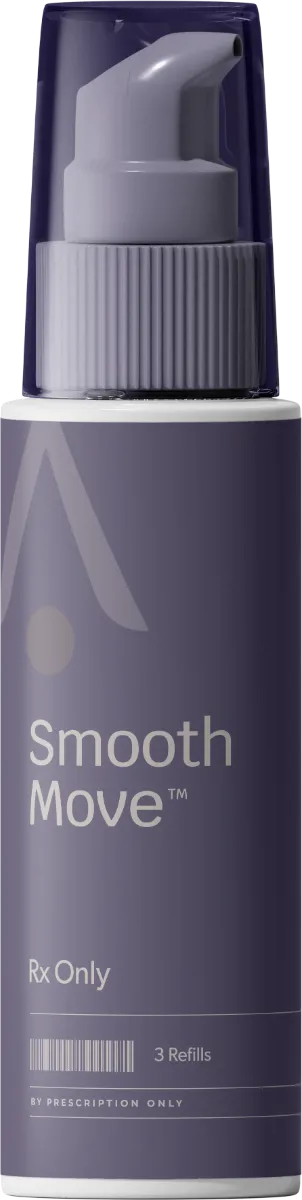
Smooth Move lists tretinoin, niacinamide, and vitamin C. The public ingredient summary does not disclose the individual strengths or vitamin C form. Follow your prescription and review other active products with your prescriber. Review the current Smooth Move™ page and bring your existing skin-care products to the provider discussion.
Explore the complete series
- Tretinoin vs. Retinol: Strength, Tolerance, and Choosing a Routine
- Starting Tretinoin: Build a Routine Around Your Prescription
- Tretinoin Peeling and Irritation: What Is Worth Reviewing?
- How Long Does Tretinoin Take to Work for Skin Texture and Fine Lines?
- Tretinoin and Moisturizer: Layering Without Overcomplicating Care
- Tretinoin and Sunscreen: Building Consistent Sun Protection
- Tretinoin, Vitamin C, and Niacinamide: Understanding a Combined Formula
- Tretinoin for Acne vs. Photoaging: Different Goals, Different Timelines
- Smooth Move Ingredients: Tretinoin, Niacinamide, and Vitamin C
- A gentle skin barrier recovery routine
Educational information; your prescription and clinician’s instructions guide individual care. Product details and linked sources checked September 15, 2026. Ingredient research does not establish identical results for a finished compounded formula. Photographs are illustrative and do not show treatment outcomes.