
Sermorelin acts on the signaling pathway that prompts the pituitary gland to release growth hormone. That mechanism is different from administering growth hormone itself, and it helps explain both the scientific interest and the limits of the treatment.
For adults considering compounded Sermorelin, the central questions are clinical: what problem is being addressed, what evidence applies to that use, and how will benefit and risk be assessed? A hormone response is one part of that discussion. It is not, by itself, proof of improved strength, sleep, cognition, or healthy aging.
Understand the signaling pathway
Growth hormone-releasing hormone, usually shortened to GHRH, is one of the body’s signals controlling growth hormone secretion. Sermorelin is a synthetic version of the active 1–29 portion of human GHRH. It stimulates responsive cells in the pituitary rather than supplying growth hormone directly.
Growth hormone has effects throughout the body and influences insulin-like growth factor 1, or IGF-1. IGF-1 is often measured when clinicians evaluate this hormonal system. Other signals and feedback mechanisms also affect the response.
Think of Sermorelin as acting at a control point upstream of growth hormone. That picture is useful, but it should not be stretched into a claim that the treatment automatically recreates a younger person’s entire hormone pattern.
Distinguish aging from hormone deficiency
Growth hormone secretion changes with age. Some changes in body composition or physical capacity occur over the same period, but a shared timing does not establish that one hormone change causes every symptom.
The Endocrine Society guideline on adult growth hormone deficiency describes a clinical diagnosis that usually requires stimulation testing, with defined exceptions. It is not simply a diagnosis made from age, fatigue, or a desire for a higher laboratory value.
A person with pituitary disease has a different clinical situation from an otherwise healthy adult seeking an anti-aging treatment. The evaluation, evidence, and treatment choices should reflect that difference. The testing guide explains the distinction in practical terms.

Place historical approval in context
Sermorelin was previously marketed as GEREF in products approved for diagnostic use and for certain childhood growth hormone deficiency treatment. The approvals were later withdrawn after discontinuation. In 2013, FDA determined that the products had not been withdrawn from sale for reasons of safety or effectiveness.
The FDA’s published determination is specific to those historical products and circumstances. It does not establish FDA approval of a current compounded preparation for adult anti-aging, body composition, or sleep goals.
Both parts of that history matter. Calling the ingredient simply “banned for safety” would be misleading; calling every current compounded Sermorelin offering an FDA-approved adult treatment would also be misleading.
Know what compounded status changes
A compounded product is distinct from an FDA-approved finished drug. The FDA compounding overview explains that these preparations do not undergo the same premarket review for safety, effectiveness, and quality as approved products.
That makes the actual prescription, dispensing pharmacy, concentration, handling instructions, and clinical plan central to the decision. An ingredient’s published history does not verify every detail of a particular vial.
Ask what will be supplied and how questions about the product will be resolved. A treatment discussion should connect the research on the molecule to the practical realities of the preparation the patient would receive.
Read body-composition results carefully
Research on GHRH approaches has reported changes in growth hormone, IGF-1, and some body-composition measures. Those outcomes support biological activity, but they answer different questions from whether a person becomes stronger or performs daily activities more easily.
The Endotext review of growth hormone and aging describes Sermorelin research in which lean mass and fat measures changed without corresponding improvements in strength or aerobic fitness. The difference between a scan result and physical function is therefore essential.
The body-composition article explains how to interpret lean mass, fat mass, weight, and performance together. A change in one measurement should not be presented as a complete transformation in health or athletic ability.

Evaluate sleep claims separately
Growth hormone secretion and sleep are related physiologically, but increasing a signal in that system does not necessarily improve sleep. Human GHRH research has not established a dependable improvement in deep sleep for adults seeking this treatment.
Investigators describing older-adult GHRH studies reported a small worsening in a subjective sleep measure, with uncertain clinical meaning, rather than a clear benefit. The primary research overview and the broader Endotext review both make simple sleep promises difficult to support.
Persistent insomnia, snoring, daytime sleepiness, or disrupted sleep deserve their own assessment. The sleep evidence guide separates the hormonal mechanism from the outcomes a patient actually wants.
Keep cognition findings proportionate
A six-month controlled study in 89 healthy older adults reported improvements on several cognitive tests with GHRH treatment. This is a reason to study the pathway further, not proof of dementia prevention or a universal memory benefit.
Cognitive tests differ from everyday functioning, and a selected research group may not resemble a person presenting with progressive memory problems. The finished preparation and study methods also matter when applying an older result to a current product.
New or worsening cognitive symptoms should be evaluated directly. A favorable study finding cannot establish that a particular symptom reflects low growth hormone or that Sermorelin is the appropriate response.
Compare Sermorelin with other hormone treatments
Sermorelin, recombinant human growth hormone, tesamorelin, CJC-1295, and ipamorelin are not interchangeable names. They differ in structure, signaling, evidence, approved uses where applicable, and product considerations.
The Sermorelin-versus-HGH article compares upstream stimulation with hormone replacement. The other-peptides guide explains why findings from one molecule or formulation cannot simply be assigned to another.
A claim that feedback remains involved does not prove that one treatment is safer for every person. Safety depends on observed outcomes, patient factors, dose and preparation, and appropriate follow-up, not only on a diagram of the mechanism.
Prepare for the clinical assessment
Bring a medication and supplement list, relevant diagnoses, prior hormone results, and a description of the main concern. Include previous pituitary problems, cancer history, metabolic conditions, allergies, and pregnancy or breastfeeding when relevant to the individual.
The clinician can decide which details affect suitability and whether another evaluation should come first. Do not treat a generic online checklist as a complete screening process or interpret a single laboratory number in isolation.
Useful goals are specific enough to revisit: improved ability to perform a familiar activity, a clearer explanation for a symptom, or a clinically meaningful change agreed with the provider. “Reversing age” is not a defined clinical endpoint.
Understand side effects and product handling
Local injection reactions and other symptoms have been described with Sermorelin. The Mayo Clinic drug information provides historical drug context, including reactions at the administration site and possible systemic symptoms. It does not establish a precise adverse-event rate for current compounded adult use.
Ask how to report symptoms, which concerns require prompt attention, and what to do if the preparation or device seems wrong. The side-effects guide expands those questions.
The dispensed label should govern the prescribed amount, route, storage, and usable period. Do not copy a mixing recipe, syringe setting, or schedule from another person’s product. The label and storage article covers what needs to be unambiguous.
Agree on a review plan before starting
A review should consider the original goal, hormone measurements when clinically appropriate, adverse symptoms, handling burden, and cost. A higher IGF-1 result does not automatically mean that treatment is worthwhile or that the amount should be increased further.
There is no single evidence-based timeline that guarantees improvement across sleep, muscle, fat, and cognition. Different outcomes develop and are measured differently. The results guide offers a framework for assessing patterns without promising a deadline.
Decide who will review progress and what would lead to reconsidering the plan. That makes follow-up a clinical decision rather than an automatic refill process.
Use a focused decision checklist
| Topic | Question to ask |
|---|---|
| Diagnosis | What explains the concern, and is hormone deficiency actually suspected? |
| Evidence | Which findings apply to this preparation and desired outcome? |
| Product | What pharmacy, concentration, label, and handling instructions apply? |
| Monitoring | Which symptoms or tests would change the clinical plan? |
| Value | What improvement would justify the effort, cost, and uncertainty? |
The CoreAge Rx Sermorelin product guide connects these questions to the current offering. A good decision depends on a clear goal, careful interpretation of the evidence, and a practical plan for reassessment.
Explore Sermorelin
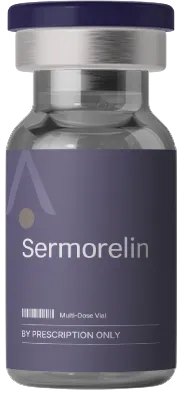
CoreAge Rx offers provider-guided compounded Sermorelin. It acts on the growth hormone signaling pathway. Individual suitability, prescription directions, and follow-up need to be established with the treating clinician; historical GEREF approval does not mean this compounded product is FDA-approved. Review the current Sermorelin page and bring a complete medication and supplement list to the provider discussion.
Explore the complete series
- Sermorelin vs. HGH: Different Treatments and Different Evidence
- Sermorelin, IGF-1, and Growth Hormone Testing: Understanding the Results
- Sermorelin for Body Composition: Muscle, Fat, and Functional Outcomes
- Sermorelin and Sleep: What Hormone Research Can Tell Us
- Sermorelin Side Effects and Monitoring Questions
- How Long Does Sermorelin Take to Work? A Measured Approach
- Sermorelin Prescription Labels, Storage, and Handling Basics
- Sermorelin vs. Other Growth Hormone Peptides: Why Names Matter
- CoreAge Rx Sermorelin: A Product and Evidence Guide
- Creatine after 50 and strength training
Educational information; your prescription and clinician’s instructions guide individual care. Product details and linked sources checked September 15, 2026. Studies of another preparation or delivery route do not establish identical results for a finished compounded product. Photographs are illustrative and do not show treatment outcomes.